

How advanced are we if we constantly settle for extra clicks, endless scrolling on multiphase contrast-enhanced scans and other pet peeves?
How advanced are we if we constantly settle for extra clicks, endless scrolling on multiphase contrast-enhanced scans and other pet peeves?

The ruling noted that the interim final rule for the legislation materially altered the independent dispute resolution (IDR) process of the No Surprises Act and cited a lack of sufficient “notice and comment,” rendering the changes as unlawful as per the Administrative Procedure Act (APA).
In a recent video interview, Nina Kottler, MD, discussed the promise of artificial intelligence (AI) for improving workflow efficiency for radiologists, keys to assessing AI vendors and change management principles for facilitating implementation of AI into one’s practice.

Resolving this recruiting dilemma often comes down to how one spins the incentive “differentials.”
In a new video presentation, a neuroradiologist discusses steps that individual radiologists can take to reduce the risk of physician burnout as well as actions that group radiology practices can take to increase the engagement of their staff.

When unexpected curveballs lead to a paralysis of analysis by teams, having a small subgroup in place with executive authority can have a genuine impact.
Richard Duszak, MD, and Mina Makary, MD, discuss a number of issues, ranging from demographic trends and NPRPs to physician burnout and medical student recruitment, that figure to impact the radiology workforce now and in the near future.

Educating distinct stakeholders on the quality of your radiology services will be essential to surviving the price transparency wars.

Cloud migration, teleradiology and enhanced patient access to medical records could emerge as dominant trends in radiology this year.
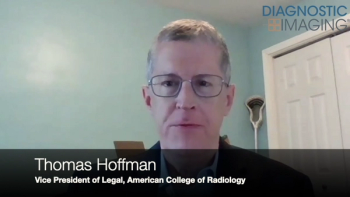
In an exclusive video interview with Diagnostic Imaging, Josh Cooper, vice president of congressional affairs for the American College of Radiology (ACR), and Thomas Hoffman, vice president of legal for the ACR, discuss the ACR’s lawsuit over the IDR process of the No Surprises Act and the potential impact of the law on reimbursement and patient access to care.
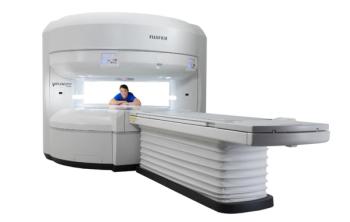
Advances in MRI modalities and capabilities can facilitate optimal comfort and help alleviate anxiety for patients.

Amid a landscape of reimbursement cuts, productivity-based pay, flat salary gigs and possible exposure to malpractice lawsuits, what is an optimal, efficient work pace?
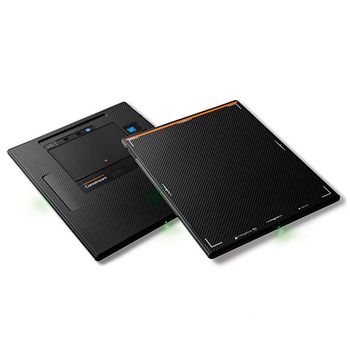
Essential factors range from dosing considerations and image quality to workflow efficiency and cost-effectiveness.
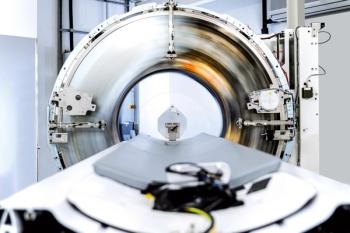
While current projections suggest a shortage of radiologists in the future, promising developments with radiology residency positions, medical student awareness of the field and AI-aided efficiencies could be game changers.
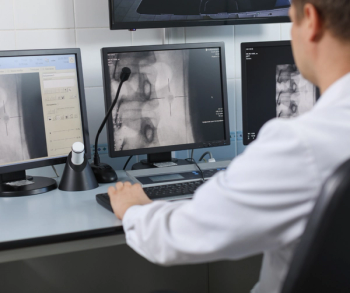
Would rad group employers consider a compensation model that offers a compromise between productivity-driven renumeration and a reasonable “floor” in the event of downtime?
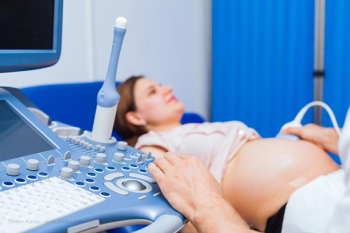
Much more than a minimum bar to meet, standardization is our foundation for elevating the level of care and outcomes for all patients.

A lack of flexibility in nailing down the final details of a radiology employment contract can put employers back at square one in the hiring cycle.
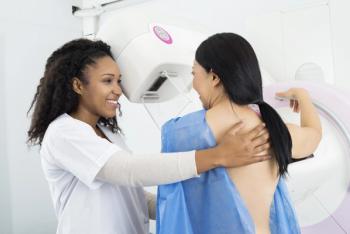
Emerging solutions for improved efficiency, patient comfort and image quality may ease the strain of increased patient volume as women catch up with mammography screenings that were delayed or put off during the COVID-19 pandemic.

Does it pay to use outside recruiters or should rad groups handle this function internally to attract the best hires?
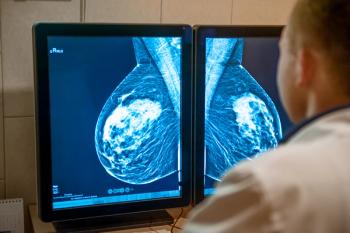
Abundance of seven-day workweek positions seems out of touch for recruiting radiologists.
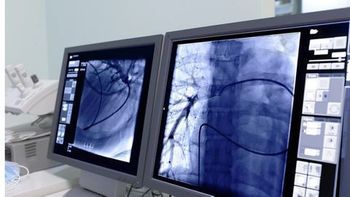
Are systemic changes in product innovation needed to address suboptimal workflows in radiology?
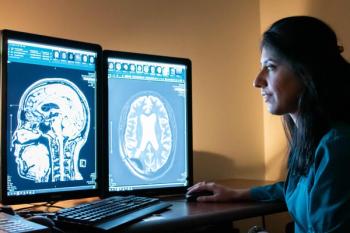
With reports of increased productivity and reduced burnout, teleradiology may rapidly become the new normal.
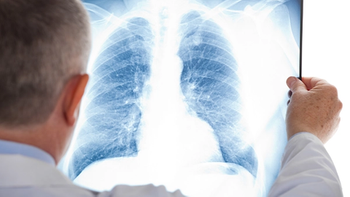
A variety of imaging experience can open doors to new career opportunities, but subtle communication tips can be key to landing your next job.

Why it behooves radiology recruiters to include compensation in job posts

Perfection is a goal, one realistically never achieved.
There isn't a person that hasn't been impacted by the pandemic, but what we can do is grow from the challenges we face and share what we've learned along the way.

Retaining good people should never be about giving them as little as you can get away with for as long as you can.
A four-phase approach to moving onward and upward in your career.
Always be improving yourself over the course of your career. The rad you are when you apply for your next job should be more competitive than you were when you got your current gig.
Focus not on the finishing line, but on the course you can chart that will take you in that direction.