

Cardiac CT
Latest News
July 13th 2026
By Jeff Hall
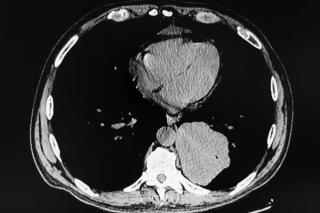
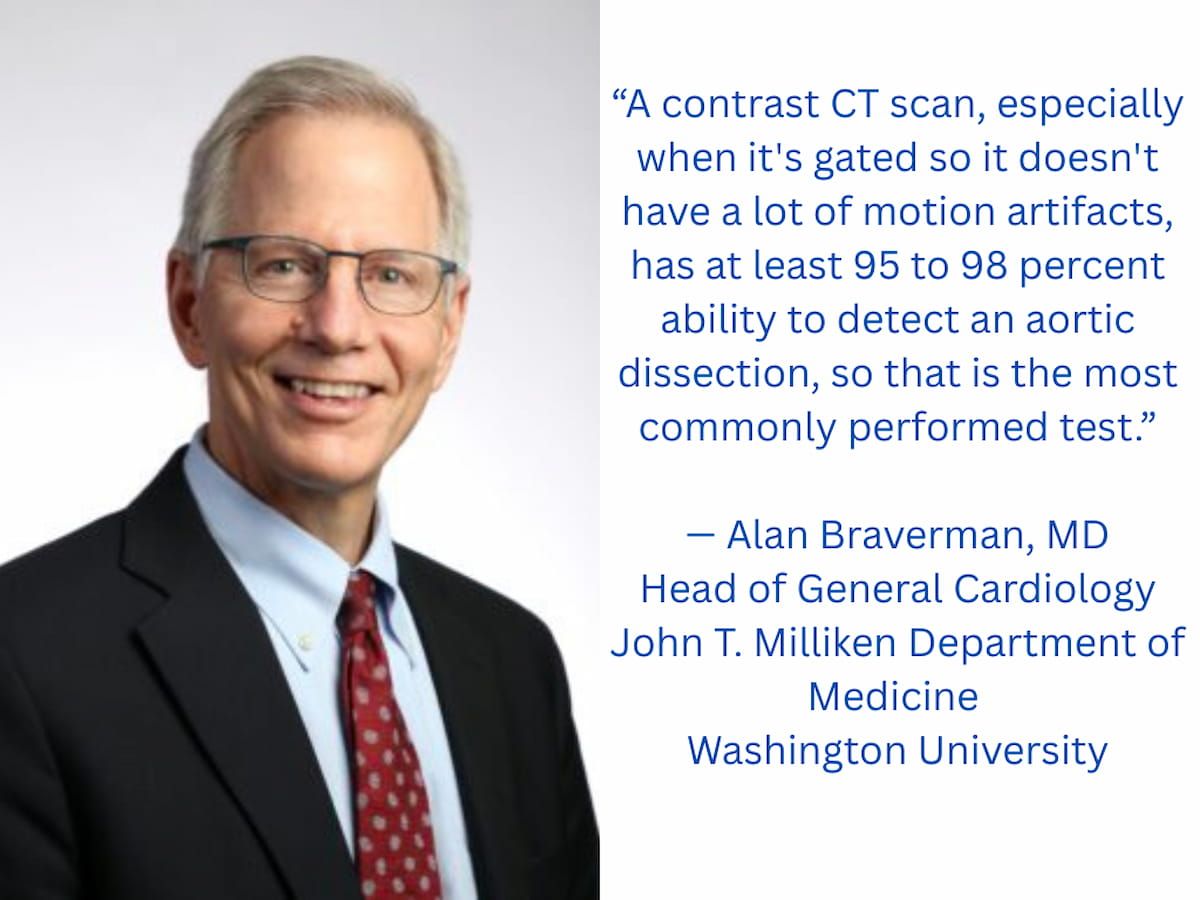
In light of the recent death of Sen. Lindsey Graham from aortic dissection, we highlight pertinent diagnostic principles and key imaging findings for the timely detection of aortic dissection, a topic that Alan Braverman, MD, FACC, discussed in an interview with Diagnostic Imaging.

SCCT: Pre-Pregnancy CAC Associated with Threefold Higher Risk of Preeclampsia
By Jeff Hall
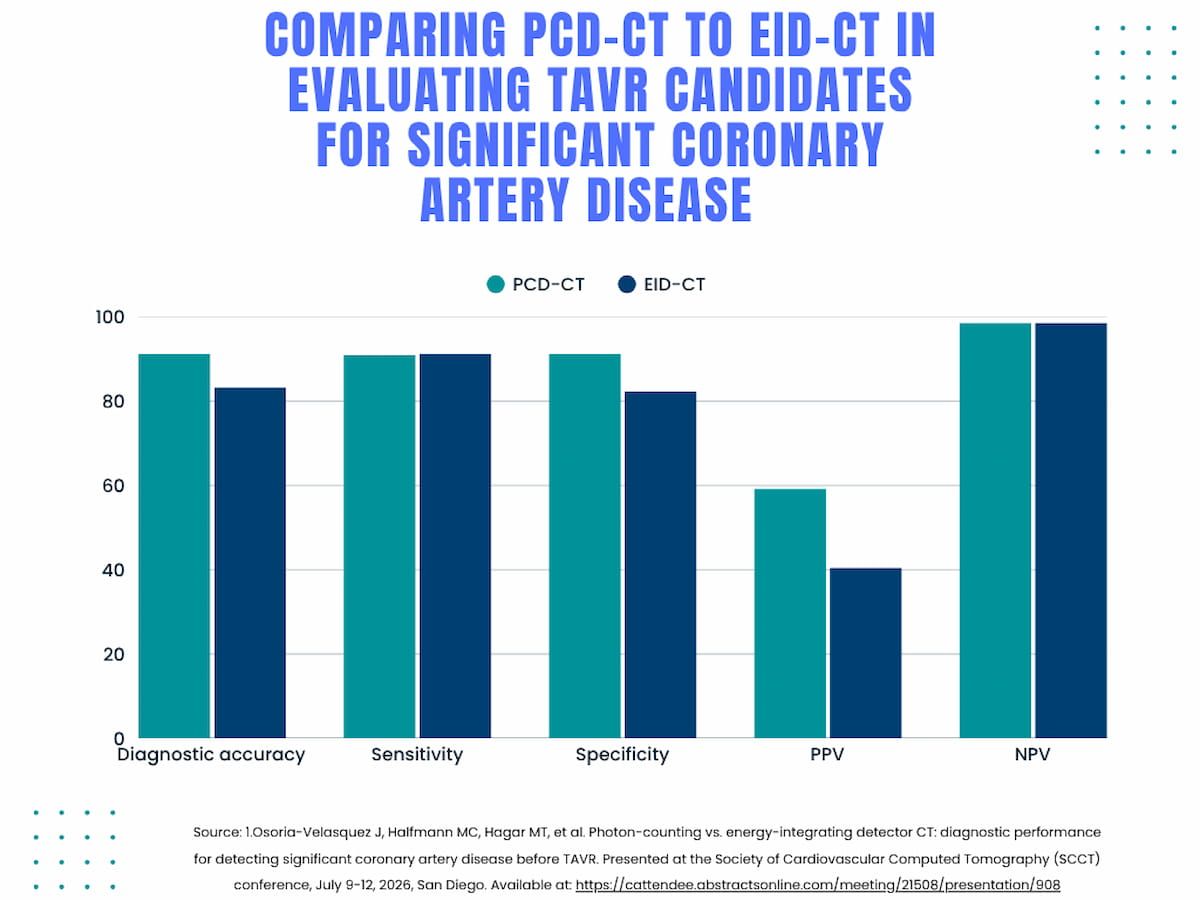
SCCT: Should Photon-Counting CT Be the New Standard for Assessing CAD Prior to TAVR?
By Jeff Hall
Advertisement
Latest Videos


Shorts

0:33
Can AI Plaque Quantification with CCTA Facilitate Personalized Medicine?
9 months ago
by
Ron Blankstein, MD

0:38
Is AI Better than Radiologists at Assessing Non-Calcified Plaque Volume on CT?
10 months ago
by
Tyler Coombes, MD

0:41
Can AI Improve Coronary Plaque Quantification on CT for Patients Deemed to be at Low Risk?
a year ago
by
Ibrahim Danad, MD, PhD
0:34
Emphasizing AI Plaque Quantification on CCTA
a year ago
by
Fatima Rodriguez, MD











Advertisement
More News
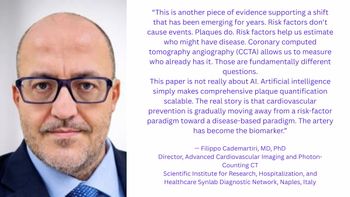
Emerging research demonstrates that those with total plaque volume > 750 mm3 have an 18.6 percent risk of MACE at four years in comparison to a 1.4 percent MACE risk for those with no plaque.
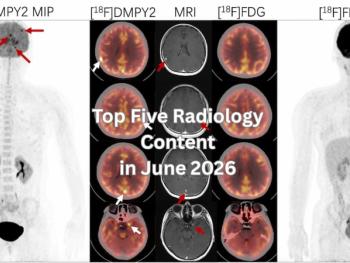
Catch up on the most-well viewed radiology content in June 2026.

Catch up on a variety of FDA news in radiology from the past week.
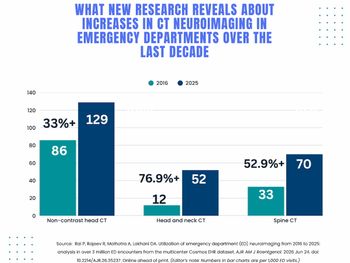
Researchers found that non-contrast head CT exams, head and neck CT exams and spine CT imaging increased by 33 percent, 76.9 percent and 52.9 percent, respectively, per 1,000 emergency department encounters over the last decade.

Catch up on the top AI-related news and research in radiology over the past month.
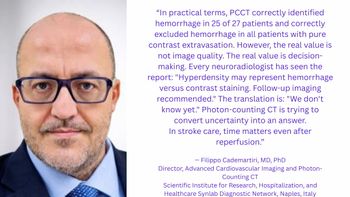
New research suggests that photon-counting CT may provide critical insight into a diagnostic dilemma that has challenged radiologists for decades.
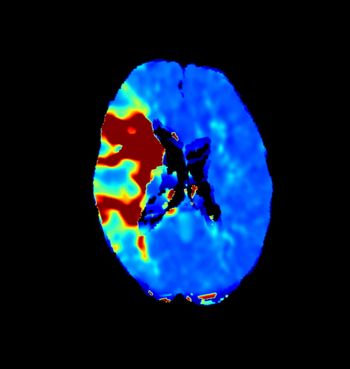
The Cone-Beam CT (CBCT) Perfusion software reportedly provides CT-quality perfusion maps during neurointerventional procedures.
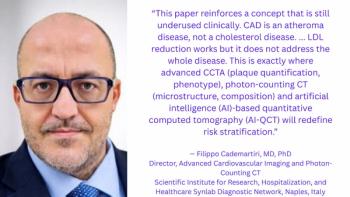
Emerging CCTA research affirms the importance of going beyond LDL reduction in the evaluation and treatment of patients with chronic coronary syndrome.
Catch up on a variety of new FDA clearances in radiology from the past week.
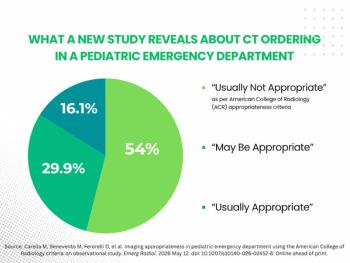
Study: More than Half of CT Requests in Pediatric Emergency Department are ‘Usually Not Appropriate’
In a study involving nearly 350 completed requests for CT scans at a pediatric hospital emergency department, researchers found that 54 percent were not appropriate according to American College of Radiology appropriateness criteria.
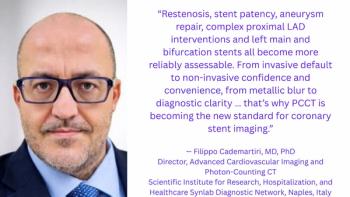
The benefits of photon-counting CT via ultra-high spatial resolution, reduced blooming artifacts and high temporal resolution allow characterization with confidence in coronary stent assessment.
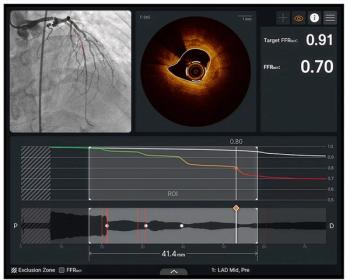
Facilitating enhanced real-time visualization for percutaneous coronary intervention (PCI) procedures, the Ultreon 3.0 optical coherence tomography platform reportedly combines high-resolution imaging with AI-powered insights on stent sizing and positioning.
Catch up on the top AI-related news and research in radiology over the past month.

Catch up on the top radiology content of the past week.

In a recent interview with Diagnostic Imaging, Sujith Kalathiveetil, MD, FACC, discussed the evolution of coronary computed tomography angiography (CCTA), AI-enabled tools and the potential for future innovations with CCTA.
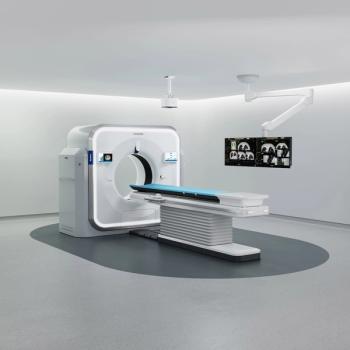
The Rembra CT reportedly facilitates high-throughput imaging for high-volume settings such as emergency departments and the Rembra RT and Areta RT platforms offer an extended 85 cm field of view and 4D CT to enable enhanced accuracy in tumor targeting.
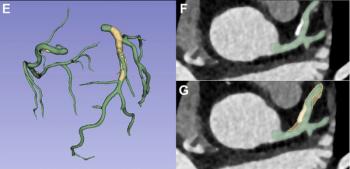
PlaqueSegNet, an emerging deep learning model for coronary plaque quantification based off CCTA exams, offered a greater than 90 percent intraclass correlation coefficient agreement with intravascular ultrasound (IVUS) and expert readers across four separate datasets.
Catch up on a variety of new FDA clearances in radiology from the past week.
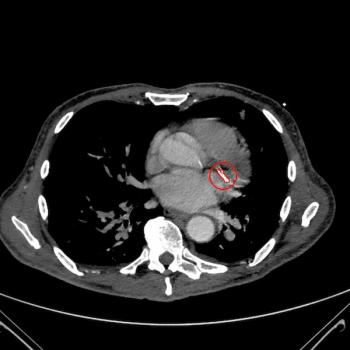
The Bunkerhill Contrast CAC and Bunkerhill Contrast AVC are reportedly the only AI-powered software modalities to garner 510(k) clearance for detection and quantification of coronary artery calcium and aortic valve calcium on contrast-enhanced CT scans.
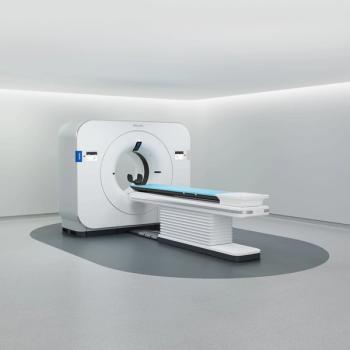
The Philips Spectral CT Verida system reportedly provides reconstruction of 145 images per second, allowing entire CT exams to appear in less than 30 seconds.
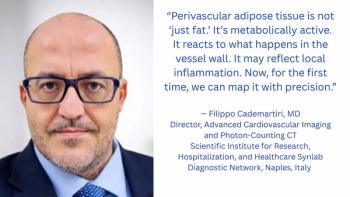
New research demonstrates the capability of photon-counting CT to go beyond stenosis and inflammation to offer precision mapping insights into the individualized metabolic activity of carotid perivascular adipose tissue.
Catch up on a variety of new FDA clearances and approvals in radiology from the past week.
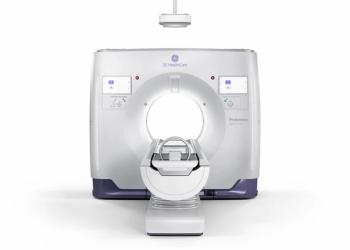
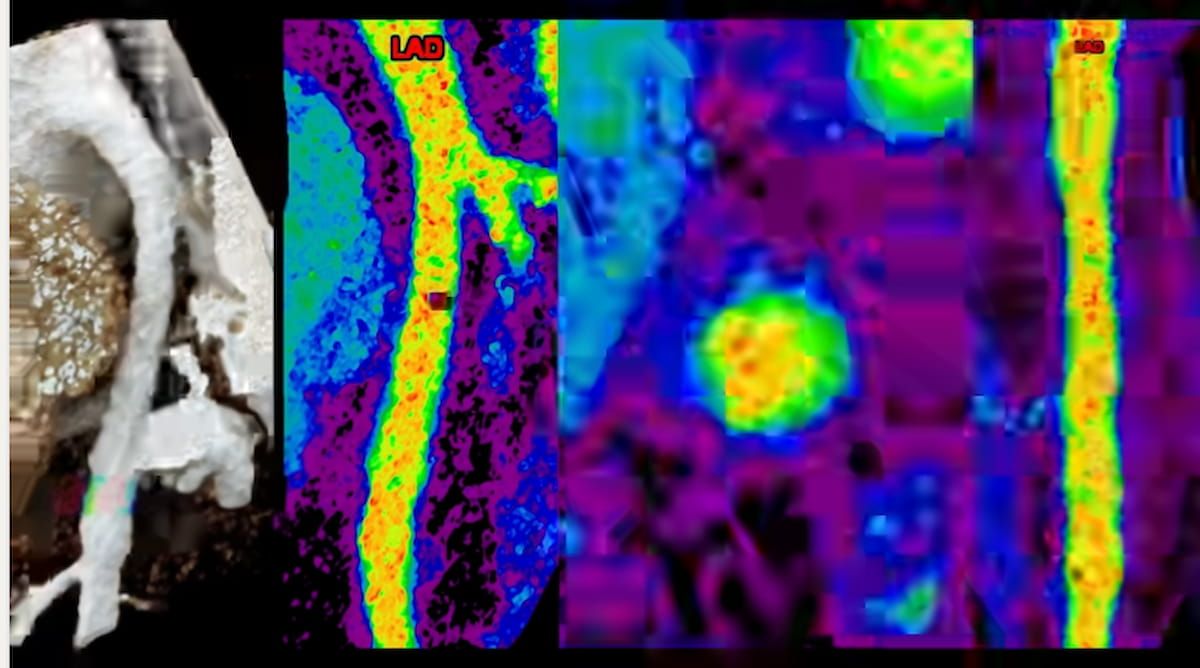
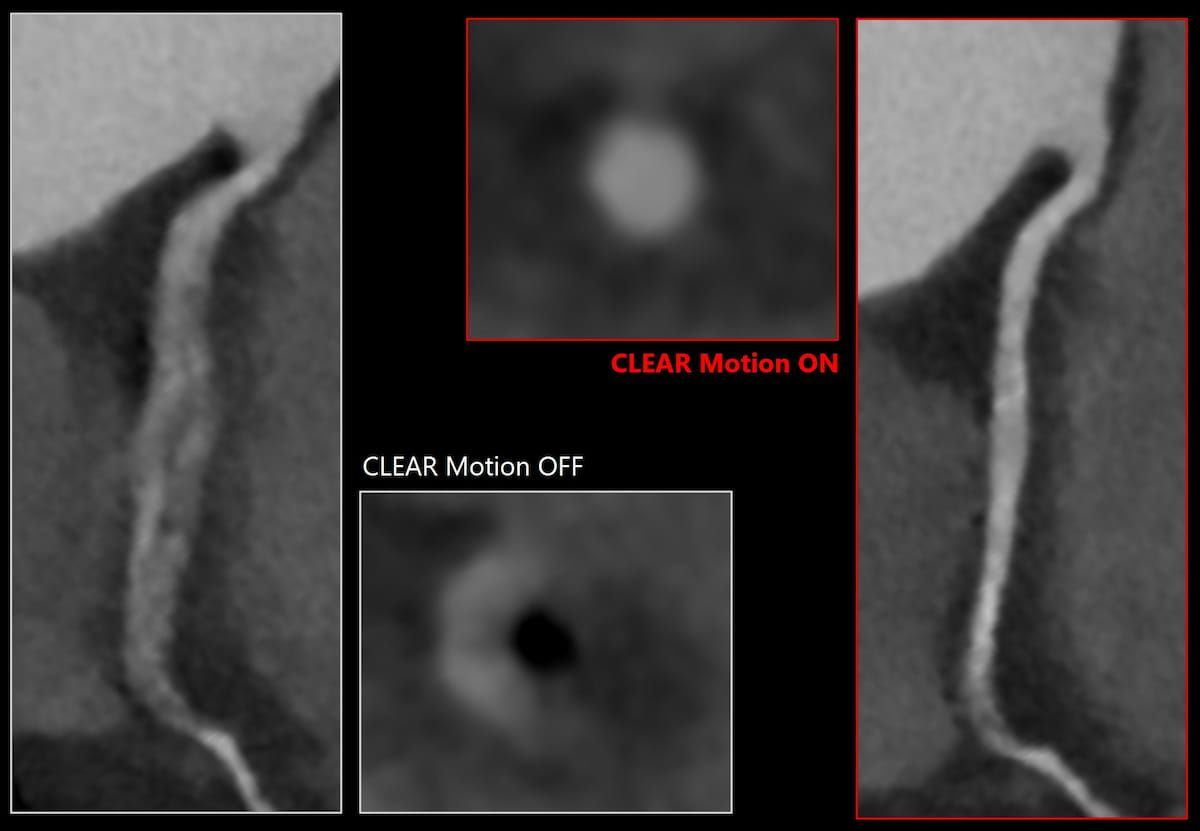
The Photonova Spectra photon-counting CT system reportedly offers a variety of features, including 8-bin energy resolution, rapid rotation speed and motion-free imaging.
Catch up on the top radiology content of the past week.
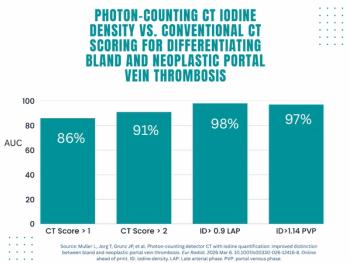
Iodine density measurements with photon-counting detector CT offered higher than 93 percent sensitivity and 95 percent specificity for differentiating between bland and neoplastic portal vein thrombosis in newly published research.
Advertisement
Advertisement
Trending on Diagnostic Imaging
1
FDA Clears MRI-Based AI Software for Prognostic Evaluation of Patients with Mild Cognitive Impairment
2
Can MRI-Based AI Have an Impact in Reducing Unnecessary Prostate Biopsies?
3
The Reading Room Podcast: A Closer Look at New Research on 177Lu-Edotreotide for Treating GEP-NETs
4
FDA Clears AI-Enabled FFR-IQ Software for Estimating Fractional Flow Reserve from CCTA
5