



Cardiac CT
Latest News
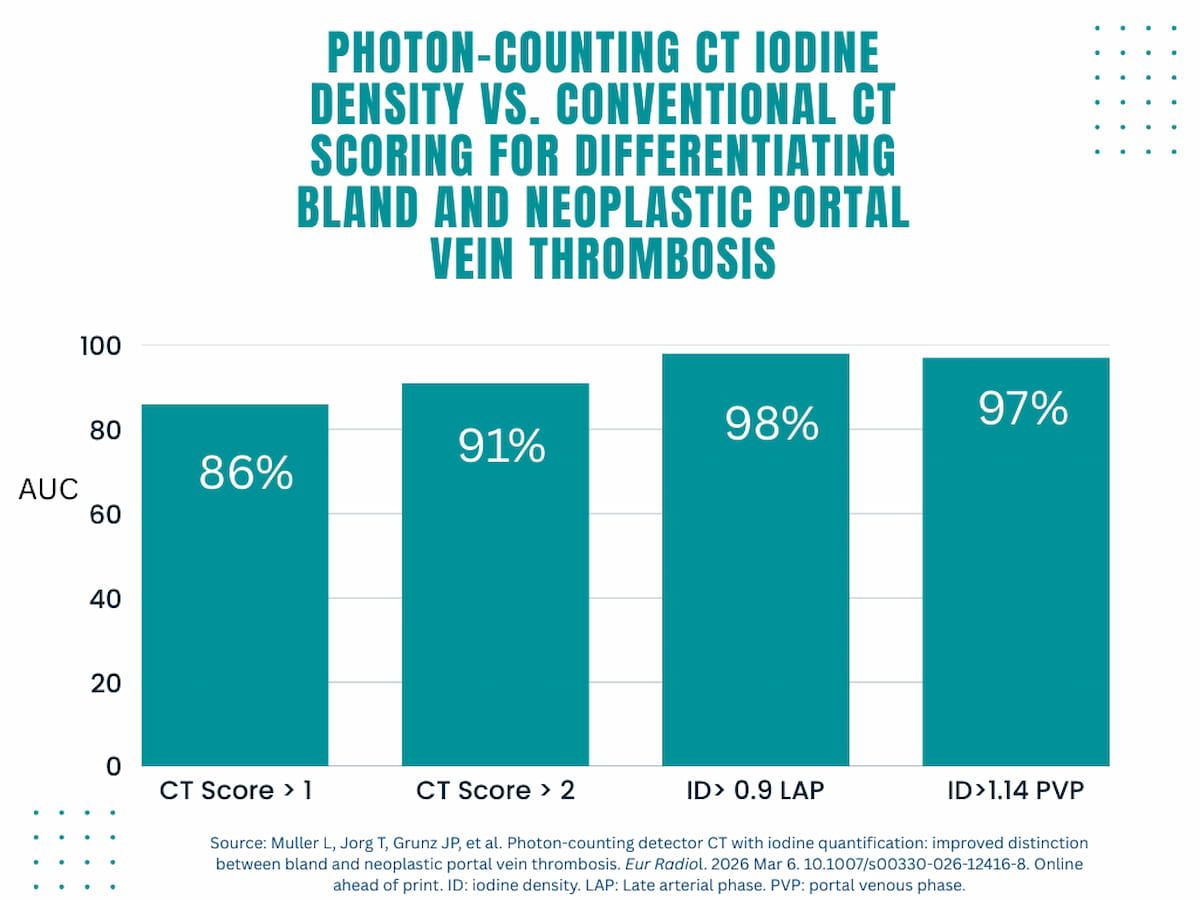
Can Photon-Counting CT Improve Differentiation of Portal Vein Thrombosis?
By Jeff Hall
What New CCTA Research Reveals About Quantitative Plaque Assessment and Predicting MACE
By Jeff Hall
Advertisement
Latest Videos










Advertisement
More News
Catch up on the most-well viewed radiology content in January 2026.
Catch up on the most well-viewed video interviews from Diagnostic Imaging in January 2026.
Catch up on the top AI-related news and research in radiology over the past month.
Catch up on the top radiology content of the past week.
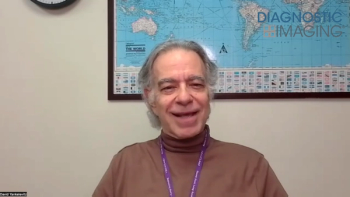
In a recent interview, David Yankelevitz, M.D., discussed the recent FDA clearance of the AI-CVD multisystem screening software and the ongoing evolution of incorporating computed tomography into personalized screening and risk assessments.
Catch up on a variety of new FDA clearances in radiology from the past week.
Catch up on the top radiology content of the past week.
In a recent interview, Ron Blankstein, M.D., discussed insights from a recent consensus statement from the American College of Cardiology on AI-enabled plaque quantification with coronary computed tomography angiography (CCTA) exams, and other pertinent considerations with the emerging technology.
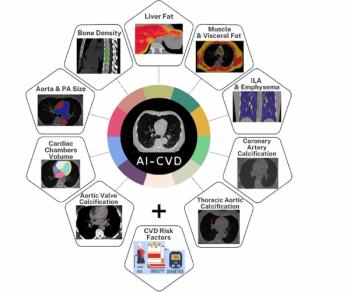
The AI-CVD software reportedly combines automated quantitative measurements for cardiovascular assessments such as coronary artery calcium (CAC) scoring and epicardial fat volumetry with lung attenuation and liver attenuation analysis in one CT-based AI platform.
Catch up on the most popular radiology podcasts from 2025.
Catch up on the most well-viewed video interviews in December 2025.
Catch up on the most well-viewed radiology content from 2025.
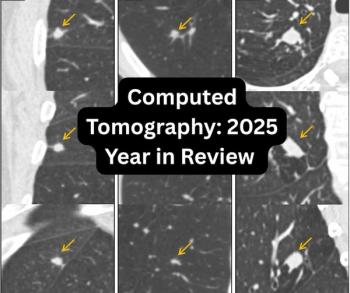
From controversial research on radiation-induced long-term cancer risks with computed tomography (CT) scans and the emerging prognostic value of AI-enabled plaque quantification to the potential impact of deep learning and AI-enhanced radiomics in thoracic radiology, here is a look back at the most well-viewed CT content from 2025.
Catch up on the top AI-related news and research in radiology over the past month.
Catch up on the top radiology content of the past week.
In a recent interview, Layne Dylla, M.D. discussed key findings from a recent study that revealed a doubling of annual head CT scans in emergency department settings over a 15-year period.
Catch up on the top radiology content of the past week.
Catch up on the top radiology content of the past week.
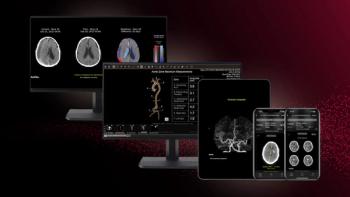
The new FDA 510(k) clearances for RapidAI include Rapid LMVO, which facilitates assessment of ischemic stroke, and Rapid MLS, which aids in the quantification of midline shifts with potential brain injuries.
Catch up on the top AI-related news and research in radiology over the past month.
Catch up on the top radiology content of the past week.
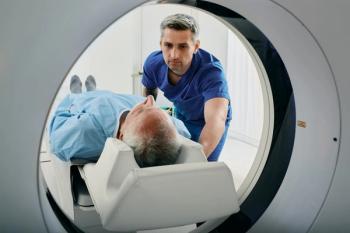
Comparing annual emergency department encounters that involved a head CT in 2007 and 2022, researchers noted a 51 percent increase and also found significant disparities in access to head CTs for Black patients, those on Medicaid and patients in rural hospital settings.
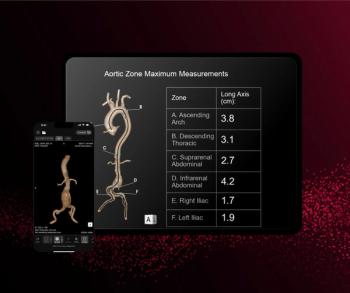
Along with the capability of automated measurements and 3D reconstructions of the aorta, Rapid Aortic may facilitate earlier detection of aortic aneurysms and dissections on computed tomography exams.
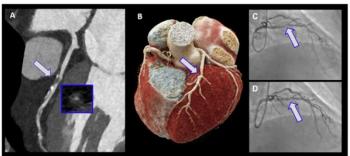
Photon-counting computed tomography demonstrated over 20 percent accuracy at the patient level and nearly 14 percent higher accuracy level at the vessel level in comparison to energy-integrating detector CT for detecting > 70 percent stenosis, according to a newly published study.
Catch up on the top radiology content of the past week.
Advertisement
Advertisement
Trending on Diagnostic Imaging
1
FDA Clears MRI-Based AI Software for Prognostic Evaluation of Patients with Mild Cognitive Impairment
2
Can MRI-Based AI Have an Impact in Reducing Unnecessary Prostate Biopsies?
3
The Reading Room Podcast: A Closer Look at New Research on 177Lu-Edotreotide for Treating GEP-NETs
4
FDA Clears AI-Enabled FFR-IQ Software for Estimating Fractional Flow Reserve from CCTA
5