




MRI
Latest News

Advertisement
Latest Videos
















Advertisement
More News
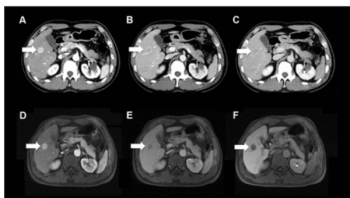
LI-RADS category 5 (LR-5) assessment had an 11 percent higher AUC for detecting hepatocellular carcinoma (HCC) in patients with non-cirrhotic chronic hepatitis C (CHC) in comparison to those with cirrhotic CHC.
Catch up on the top radiology content of the past week.
Catch up on the most-well viewed radiology content in March 2025.
Catch up on the most-well viewed prostate imaging content in March 2025.
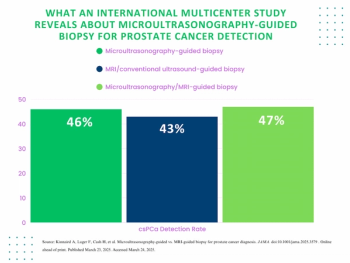
Microultrasonography-guided biopsy offered comparable detection as MRI/conventional ultrasound-guided biopsy in detection of Gleason grade group 2 or higher prostate cancer, according to a new international multicenter study.
Catch up on the top radiology content of the past week.
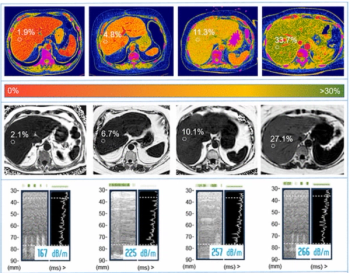
Photon-counting CT fat fraction evaluation offered a maximum sensitivity of 81 percent for detecting steatosis and had a 91 percent ICC agreement with MRI proton density fat fraction assessment, according to new prospective research.
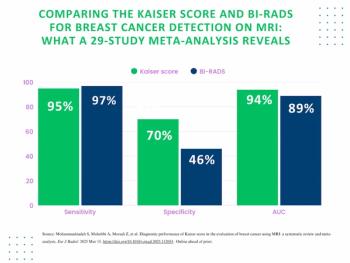
The Kaiser score offers 24 percent higher pooled specificity than the Breast Imaging Reporting and Data System (BI-RADS) for detecting malignancies on breast MRI, according to a 29-study meta-analysis.
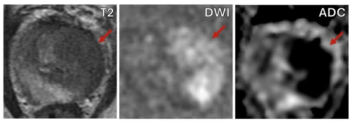
While DCE MRI was deemed helpful in over 67 percent of cases in which it was used, researchers found that monitored prostate MRI exams, which facilitated a 75 percent reduction of DCE MRI sequences, had comparable sensitivity for prostate cancer as non-monitored exams.
Catch up on the top radiology content of the past week.
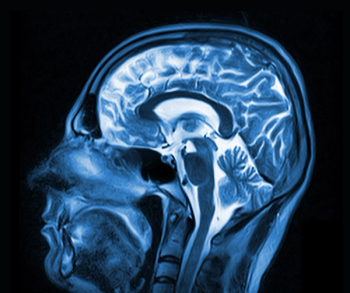
Researchers found that a higher waist-to-hip ratio in midlife was associated with higher mean diffusivity in 26 percent of total white matter tracts in the cingulum as well as the superior and inferior longitudinal fasciculus.
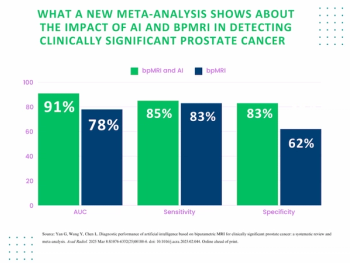
Researchers noted the combination of AI and bpMRI had an average AUC of 91 percent for csPCa detection in contrast to 78 percent for unassisted radiologist interpretation in a recent meta-analysis.
Catch up on the top radiology content of the past week.
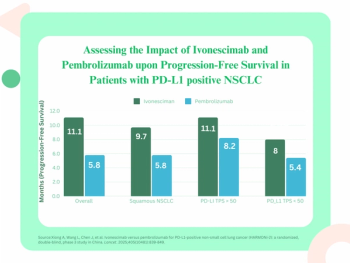
The use of ivonescimab was correlated with a median 5.3-month improvement in progression-free survival (PFS) over pembrolizumab in patients with PD-L1 positive non-small cell lung cancer, according to CT and MRI findings from a phase 3 randomized multicenter trial.
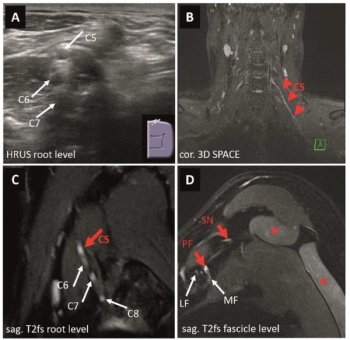
While high-resolution ultrasound offered nearly 10 percent higher specificity in the detection of upper extremity peripheral neuropathy, magnetic resonance neurography provided a nearly 23 percent higher sensitivity rate in a recent study.
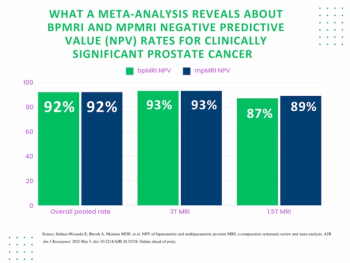
In an 18-study meta-analysis involving over 4,600 patients, researchers found that bpMRI and mpMRI had equivalent pooled negative predictive value (NPV) of 92 percent for clinically significant prostate cancer (csPCa).
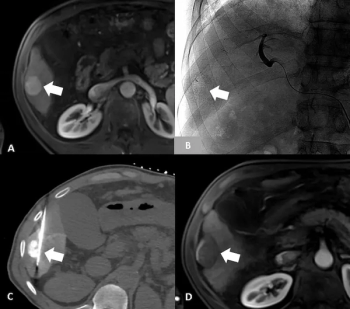
In a comparative study of staging systems for hepatocellular carcinoma, the Barcelona Clinic Liver Cancer (BCLC) system offered the highest likelihood ratio (LR) and lowest Akaike information criteria (AIC) for predicting overall survival after transarterial chemoembolization (TACE) for hepatocellular carcinoma.
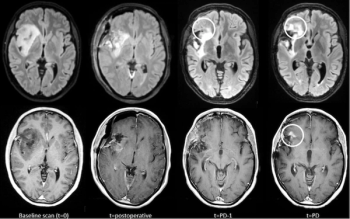
In a comparison of contrast-enhanced T1-weighted (CET1w) MRI (and T2-weighted MRI/FLAIR imaging, researchers found that only three out of 82 cases of glioma progression were solely detected with CET1w MRI.
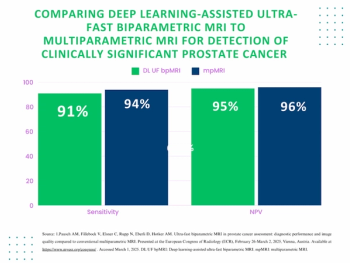
A deep learning-enhanced ultra-fast bpMRI protocol offered similar sensitivity for csPCa as mpMRI with an 80 percent reduction in scan time, according to research findings presented at the European Congress of Radiology (ECR) conference.
Catch up on the top radiology content of the past week.
Catch up on the most-well viewed prostate imaging content in February 2025.
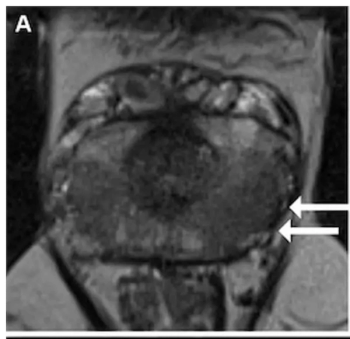
In a multicenter study involving over 1,000 patients, a deep learning software offered comparable sensitivity and specificity for Gleason grade group > 2 tumors in comparison to radiologist interpretation.
Catch up on the most-well viewed radiology content in February 2025.
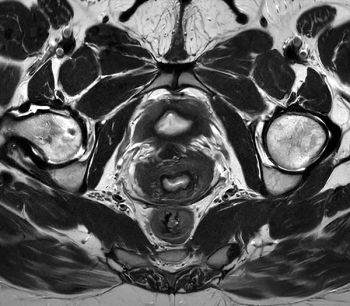
The updated software reportedly enables a threefold improvement in MRI scan time and enhanced image sharpness.
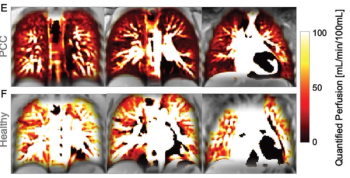
Adolescents with post-COVID-19 conditions had 37 percent lower quantified lung perfusion than healthy control participants on phase-resolved functional lung MRI, according to findings from a recent prospective study.
Advertisement
Advertisement
Trending on Diagnostic Imaging
1
FDA Clears MRI-Based AI Software for Prognostic Evaluation of Patients with Mild Cognitive Impairment
2
What’s Next for AI in Radiology?: Facilitating Data Orchestration Over Fragmentation
3
How AI, Theranostics and More Empowered Patients Have Led to Significant Changes in Radiology
4
FDA Clears AI-Enabled FFR-IQ Software for Estimating Fractional Flow Reserve from CCTA
5