











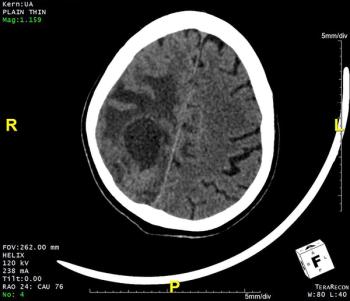
75-year-old male presented with left-sided weakness, headache, and altered sensorium.

75-year-old male presented with left-sided weakness, headache, and altered sensorium.

Choosing Wisely forces neurology to confront its issue with overutilization in imaging.

Case History: 30-year-old male patient with lower back pain.
MRI after mammography may detect clinically relevant disease.

Case History: A 27-year-old patient presented with history of headache and seizure.

CHICAGO-A key trend from the RSNA 2015 show floor was equipment upgradeability.
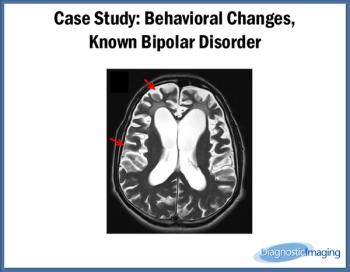
Case History: 60-year-old male presents with behavioral changes for 2 months in bipolar disorder.
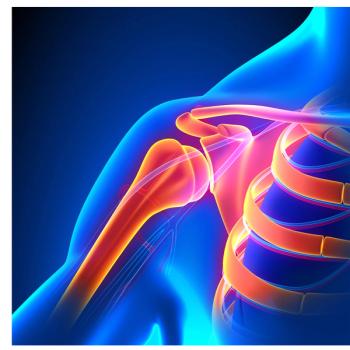
MRI and arthroscopy can help surgeons screen for unstable labral tears.

Thoughts on Big Iron, managed fleets, and technology partnerships from RSNA 2015.

MRI plus clinical criteria helps physicians determine which stroke patients would benefit from thrombectomy.
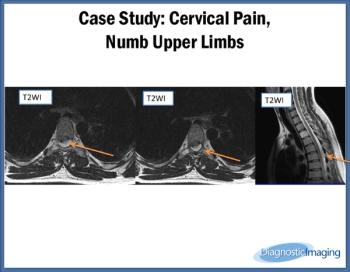
Case History: 55-year-old female with pain in cervical region radiating to bilateral upper limbs.
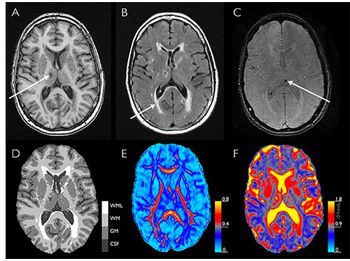
CHICAGO-MRI suggests that subclinical cardiac dysfunction could be indicative of early brain disease.
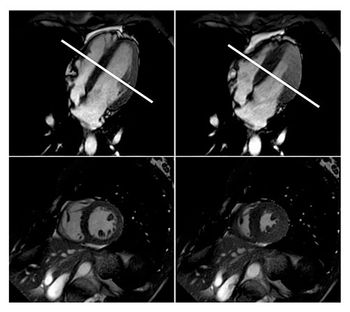
CHICAGO-MRI shows significant changes to the heart of elite free divers.
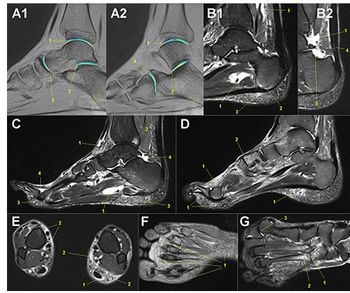
CHICAGO-MRI shows that the knee and ankle cartilage of long-distance runners can regenerate.
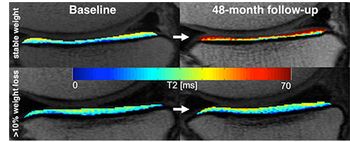
CHICAGO-MRI allows physicians to monitor the protective effect of weight loss on knee cartilage.

CHICAGO-MRI shows abnormal cerebral blood flow even if concussed athletes clinically ready to return to sport.
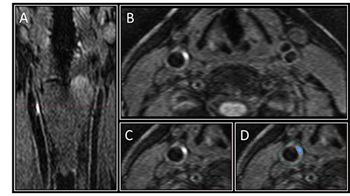
MRI finds possible marker for cardiovascular disease among asymptomatic diabetics.

Case History: 65-year-old male with swelling of left inguinal region for two months.

Radiologists can learn about their patients’ experiences through their Tweets.

More screens mean more distractions for radiologists.
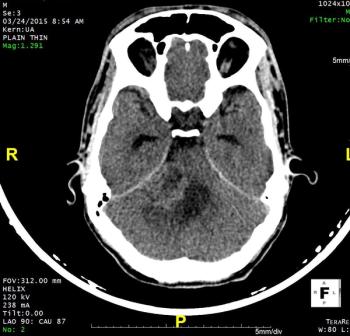
28-year-old male presented with sensorineural hearing loss for two months.

LiverMultiScan, a device that can detect early liver disease using MRI, received FDA approval.

Using MRI to image the left ventricle shows more precise measurements of the heart.
Using MRI to assess hippocampal grading, physicians may be able to predict Alzheimer’s disease up to seven years before dementia.
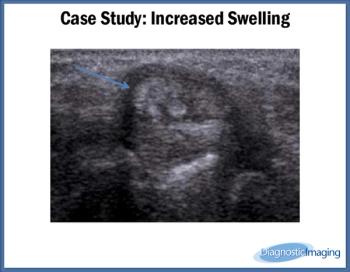
Case History: 30-year-old female, increased wrist swelling since birth.