












RSNA 2016 displays more signs pointing towards the blending of diagnostic, interventional, and therapeutic imaging.
RSNA 2016 displays more signs pointing towards the blending of diagnostic, interventional, and therapeutic imaging.
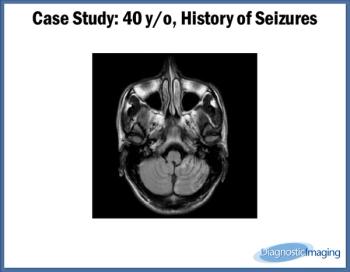
Case History: 40-year-old patient presented with history of seizures.

Images show that people with Parkinson’s disease and cognitive impairment have brain network disruptions.

Case History: 45-year-old male with history of alcoholism with history of four seizures one day earlier.

MRI may help physicians determine prognosis of patients with endometrial cancer, from RSNA 2016.
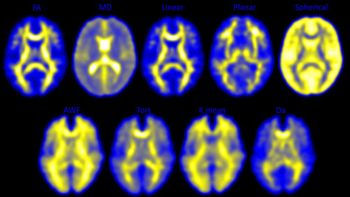
Imaging exams detect structural and functional changes in the brains of high school football players, from RSNA 2016.
Routine screening with MRI for breast cancer among young women is sufficient.
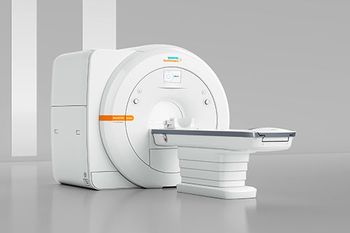
Siemens Healthineers will showcase at RSNA 2016 a new, cost-efficient 1.5T MRI.
Siemens Healthineers unveils at RSNA 2016 new MRI technology that reduces scan time.
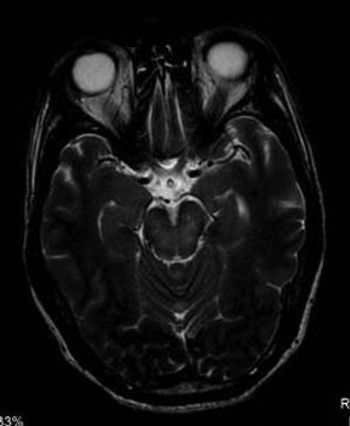
Ultrasound, CT, and MRI are useful tools in detecting brain changes in Zika virus, from RSNA 2016.
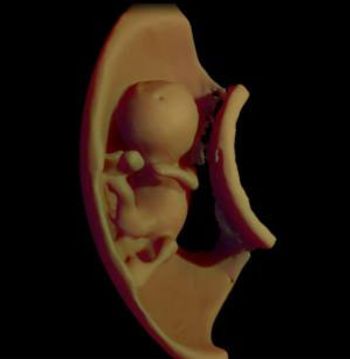
Using data from MRI to create 3D models of a fetus may help detect abnormalities before birth, from RSNA 2016.
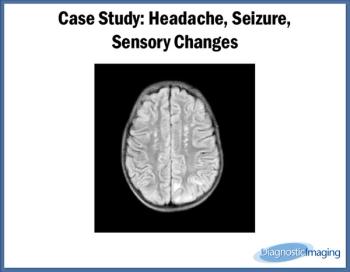
Case History: 32-year-old patient presented with complaint of headache, seizures, and sensory changes.

MRI indicates that traumatized boys and girls may have differences in insula subdivision structure.

Unpleasant flashbacks for a turkey.
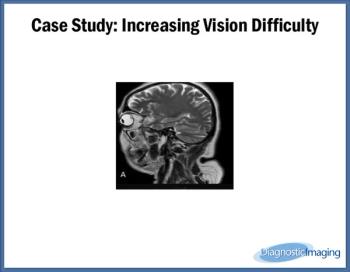
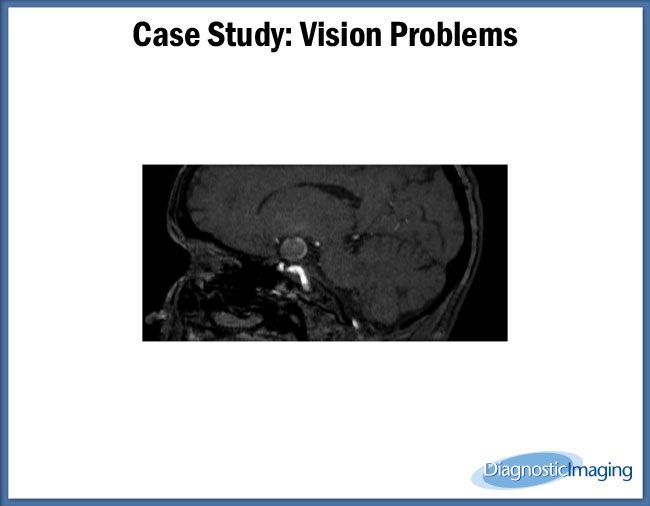
Case History: Patient presented with vision difficulty for one year, which increased in severity over last two months.
MRI images often detect incidental findings in older patients.

Radiologists can determine synovial patterns among patients with total knee arthroplasty.
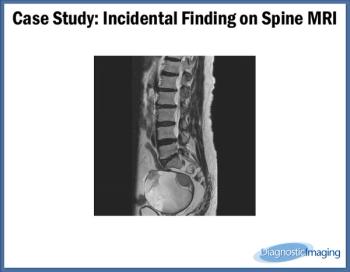
Case History: 45-year-old female presented for spine MRI.
MRI highlights changes in brains of children with Tourette syndrome.
Preoperative MRI may help find more cancer sites among women whose cancer was detected by screening ultrasound.

MRI shows brain changes in children with PTSD.

Case History: Fifty-eight-year-old patient presented with history of vomiting.
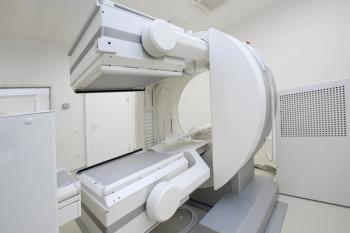
Combined PET/MRI may help detect some but not all metastases from breast cancer.
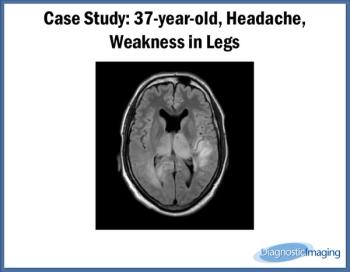
Case History: 37-year-old patient presented with headache and muscle weakness in legs.
More women with dense breast tissue underwent supplemental screening following implementation of the New Jersey Breast Density Law.