


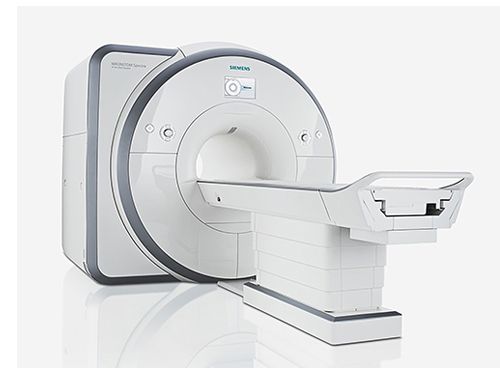










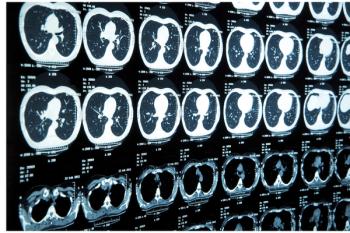
Brain CT and MRI for early stage lung cancer patients are not routinely recommended.
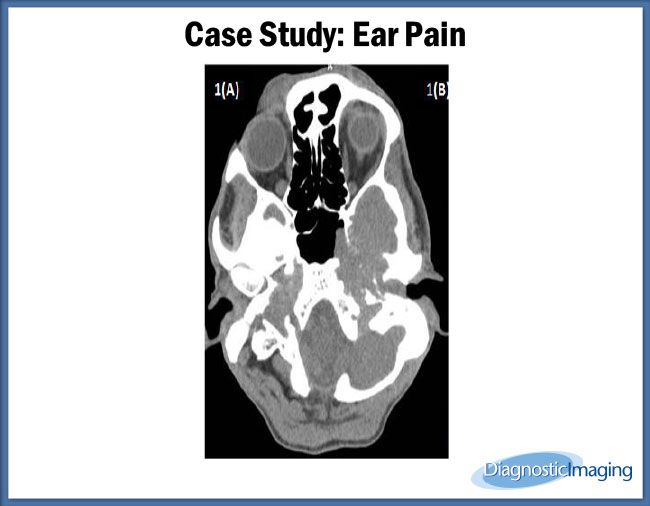
Brain CT and MRI for early stage lung cancer patients are not routinely recommended.
Most radiologists leave out TNM staging for head and neck cancer reports.

Radiologists detect changes in the brains of veterans who have sustained combat-related mild traumatic brain injuries.

Case History: 62-year-old male with history of abdominal pain and weight loss for two months.
Geographic location of breast MRI facilities may affect vulnerable populations.
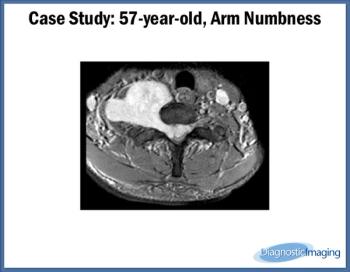
Case History: 57-year-old patient presented with complaint of numbness in arms.

MRI can help physicians predict breast cancer recurrence in women who underwent chemotherapy and surgery.
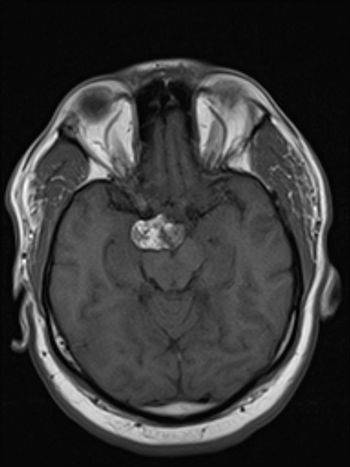
46-year-old male presents with headache.
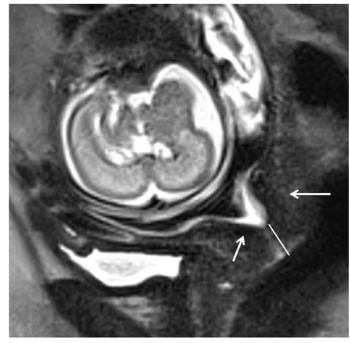
MRI helped predict which women with short cervix would go into preterm labor.
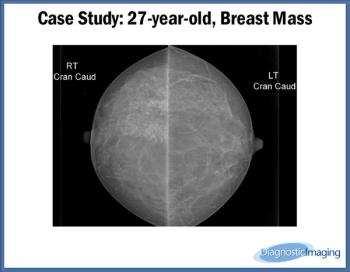
Case History: 27-year-old female with right upper outer quadrant firm breast mass.

Childhood cancer survivors may benefit from early MRI breast cancer screening.
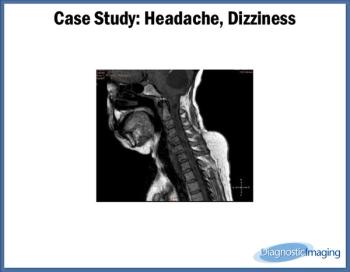
Case History: 43-year-old with three year history headache, dizziness, unsteadiness, and tingling in upper limbs.
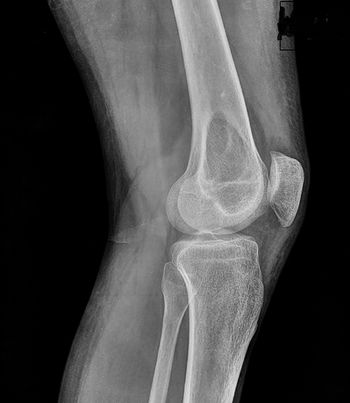
24-year-old male with history of pain in the knee following trauma.
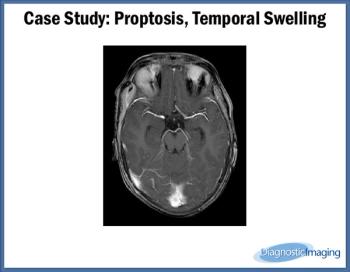
Case History: 7-year-old patient with history of proptosis on the right side and temporal swelling.
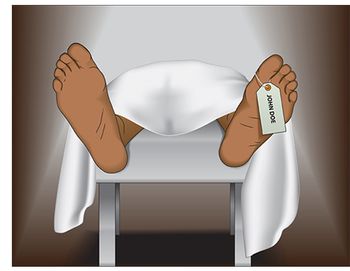
Part one of a two-part series on postmortem and forensic radiology.
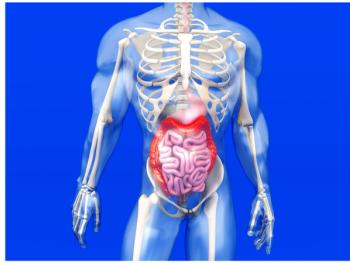
Evaluation of noninvasive PET/MR enterography on differentiation of strictures in patients with Crohn disease.
A two-step system to differentiate mass and nonmass images on MRI improves breast cancer detection.
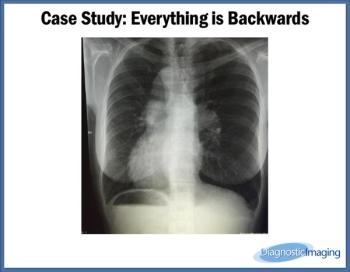
Case History: 68-year-old female with progressive shortness of breath, history of a complex congenital heart disorder.
MRI dominates list of modalities responsible for patient recalls in an outpatient setting, study shows.
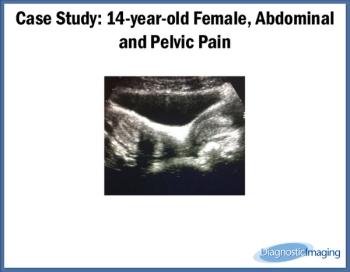
Case History:14-year-old nulliparous menstruating female with lower abdominal and pelvic pain.
Diffusion-tensor MRI algorithm may help physicians evaluate patients with mild traumatic brain injury and post-trauma migraines.

Case History: 24-year-old male with complaints of shoulder pain, slowly increasing swelling for five years.

MRI distinguishes brain lesions, possibly supplementing existing diagnostic algorithms

Seasons in the radiology department.

Case History: 44-year-old patient presented with complaint of lump in right breast for four months.