












Case History: 30-year-old male with discomfort in left groin region due to mass/swelling for one year.
Case History: 30-year-old male with discomfort in left groin region due to mass/swelling for one year.
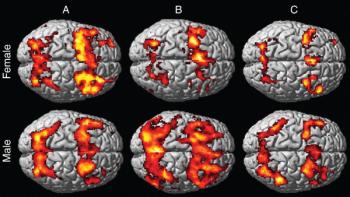
Magnetic resonance imaging shows lower digit span scores among women with MTBI.

Patients who undergo imaging tests could use more information about the examination.

Case History: 20-year-old female with severe headache, blurred vision, vomiting.

Using MRI to screen patients at high risk of developing pancreatic cancer is effective in detecting early cancers.

PET/MR has a promising future, but radiology practices will need deep pockets to implement the systems.
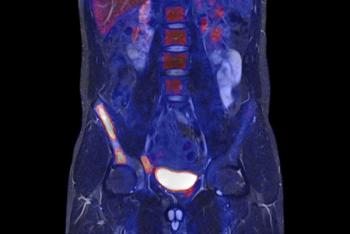
PET/MR in action.

Magnetic resonance images can add valuable information to prenatal fetal assessment.
MRI contrast agent, gadobenate dimeglumine, safety profile confirmed in 7.5-year trial.
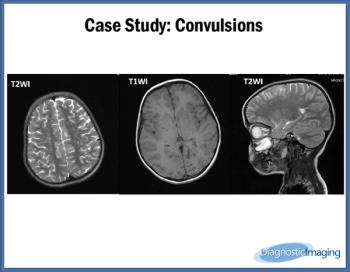
Case History: 7-year-old female with complaints of convulsions for one year.

Magnetic resonance imaging is noninvasive and more accurate in determining serial liver iron concentration than liver biopsy.
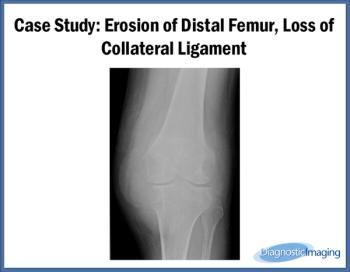
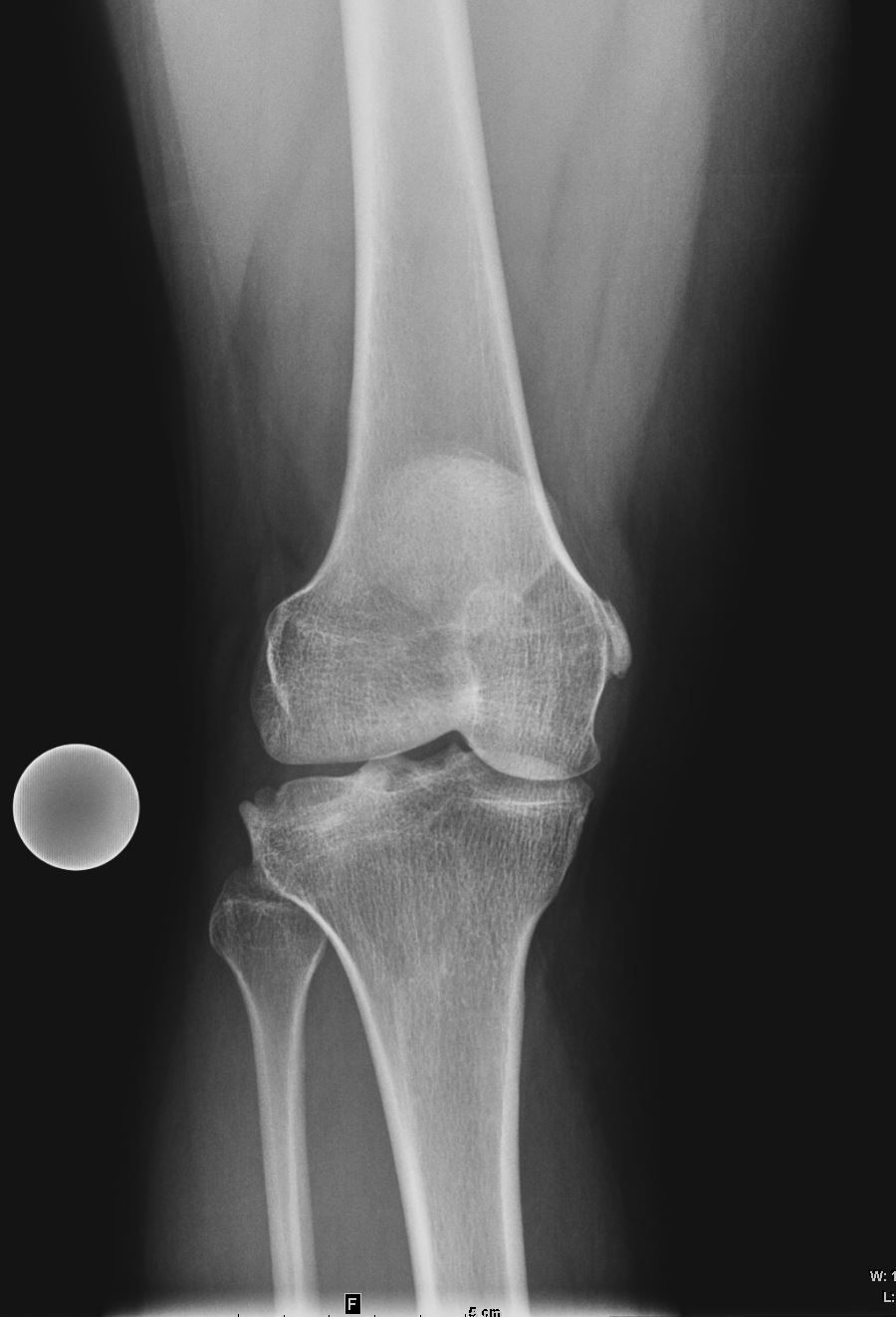
Case History: 44-year-old male with history of left knee pain presents with erosion of the distal femur and loss of collateral ligament.

Early imaging of older adults with new back pain does not improve disability outcomes.
The number of MRIs ordered for low back pain did not decrease after the initiation of public reporting.

The FDA has approved EchoPixel’s True3D Viewer which converts anatomical data to 3D virtual reality images.

Imaging with 18F-fluoride PET/MR provide clearer images for patients with unclear foot pain.

A new, free, website provides comprehensive answers to complex questions about MRI.
Magnetic resonance imaging following CT or US detection of indeterminate pelvic mass helps women avoid unnecessary surgeries.
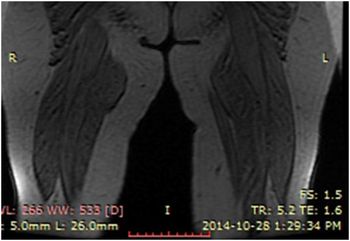
74-year-old female presented with multiple, soft swellings around the knees and upper thighs.
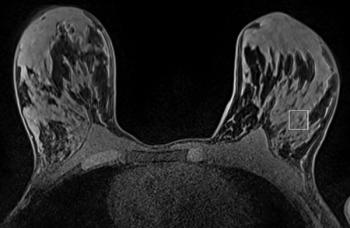
Localized correlated spectroscopy may show signs of biochemical abnormalities, possibly signaling breast cancer among women with BRCA gene.

Case History: 47-year-old male with headaches followed by generalized tonic-clonic convulsions.

Radiology, as we know it, is over.
Breast lesions detected by MRI and classified as BI-RADS 2 were shown to not be malignant, and therefore do not need biopsy.

Case History: 60-year-old female with right hypochondriac pain, asthenia and decreased appetite.

A full explanation of the massive FDA recall of GE MRI systems.