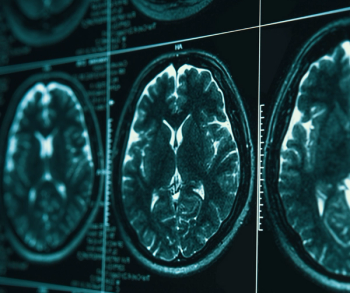
“The application of BMDM significantly improved both time efficiency (30.87% reduction) and diagnostic performance in BM detection,” noted lead study author Meiqi Hua, M.D., who is affiliated with the Department of Radiology at the Affiliated Hospital of Hebei University/School of Clinical Medicine in Baoding, China, and colleagues.
Adjunctive AI also offered a 43 percent increase in sensitivity for insular lesions (88 percent vs. 45 percent) as well as 33.5 percent sensitivity improvement for lesions < 3 mm (87 percent vs. 53.5 percent) in comparison to unaided radiologist assessment.
“The early detection of micro-metastases enables more timely intervention, prevents neurological damage caused by lesion progression, and provides more comprehensive lesion information for treatment,” emphasized Hua and colleagues.
While the sole use of AI assessment provided higher lesion-level sensitivity than adjunctive AI (98.3 percent vs. 91.6 percent), adjunctive AI demonstrated 11 percent higher specificity (95.5 percent vs. 84.5 percent).
Three Key Takeaways
• Adjunctive AI improves detection performance. Use of the deep learning brain metastasis detection model (BMDM) increased diagnostic accuracy, improving AFROC from 83.7 percent to 95.4 percent and sensitivity from 68.5 percent to 91.6 percent compared with unaided radiologist interpretation.
• AI assistance reduces interpretation time. Radiologist reading time decreased by approximately 31 percent (143.9 seconds vs. 99.5 seconds) when AI assistance was used, suggesting potential workflow efficiency benefits in brain MRI interpretation.
• Greatest benefit for small or difficult lesions. Adjunctive AI substantially improved detection of insular lesions (increase of 43 percent sensitivity) and lesions <3 mm (increase of 33.5 percent).
The researchers also advised caution with the model, noting 86 false-positive cases and 135 false-negative cases with adjunctive AI in the external validation cohort. The majority of these cases were caused by imaging artifacts or interference from adjacent structures, according to the study authors.
“This suggests that BMDM still has limitations in distinguishing normal enhancement patterns from pathological ones. Future work could focus on incorporating multi-sequence information and expanding the training set with targeted negative samples to further reduce such (false positives),” posited Hua and colleagues.
(Editor’s note: For related content, see “A Closer Look at the Potential of AI Foundation Models for Brain MRI,” “FDA Clears MRI-Based AI Software for Assessment of Brain Metastases” and “Updated MRI-Based AI Software Offers Automated Segmentation and Volumetric Reporting of Brain Metastases and Meningiomas.”)
In regard to study limitations, the authors acknowledged the use of expert panel readings for the reference standard and conceded that the cohort did not include all types of brain metastasis.