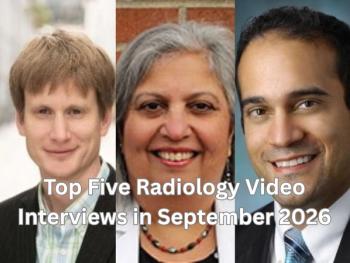
In a recent interview with Diagnostic Imaging, Dr. Bahl emphasized the consensus of the American College of Radiology (ACR), Society of Breast Imaging (SBI), the American Society of Breast Surgeons and the National Comprehensive Cancer Network (NCCN) in starting breast cancer screening at the age of 40 for asymptomatic, average-risk women. In contrast, the ACP guidance suggests biennial mammography screening for women in their 40s after consultation with their doctor.
“Earlier and more regular screening increases the opportunity to detect cancers at a smaller size and earlier stage when treatment is less intensive and outcomes are better,” said Dr. Bahl.
While the ACP guidance suggests the possibility of discontinuing mammography screening in women 75 and older, Dr. Bahl emphasized that age should not be a limitation.
“Age alone should not determine whether screening stops. Many women in their 70s and beyond are healthy, active and have meaningful life expectancy. Breast cancer incidence remains relatively high in older women while false positive rates are generally lower than in younger women. The key issues are overall health status, functional status and patient preference,” maintained Dr. Bahl.
(Editor’s note: For related content, see “Breast Radiologists Say New ACP Breast Cancer Screening Guidelines are ‘Many Steps Backward’ and ‘Dangerous’,” “Video: Stamatia Destounis, MD, Discusses the Recent ACP Guidance on Breast Cancer Screening” and “Can AI Detect Breast Cancer on DBT Years Earlier than Radiologists?”)