
Peer review is becoming an increasingly important quality measurement. Here’s how to make it work for your practice.
Peer review is becoming an increasingly important quality measurement. Here’s how to make it work for your practice.

Does your imaging facility have a disaster plan in place? Here’s why that’s critical and what steps to consider while developing your plan.
Do you resolve to make your radiology practice more efficient in 2014? We talked to the experts to bring you eight ways to boost efficiency – without breaking the bank.

RSNA 2013’s theme is the Power of Partnership. We asked several radiology luminaries what that meant to them. Here’s what they said.
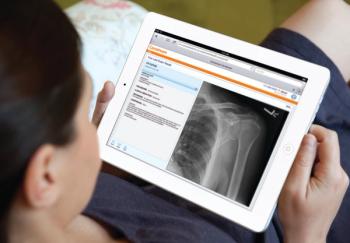
Want to implement a patient portal? Here’s what to consider – from educating patients and staff to determining when and how to release reports. (Part 2 of 2)
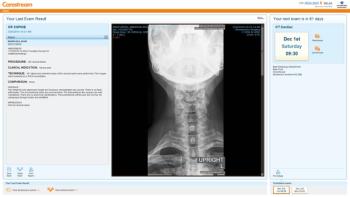
Many radiology practices fear patient portals are too much of a hassle. But those using them say providing access is good for patients and for business. (Part 1 of 2)
Companies began tracking payments to doctors in August. That data will be public and searchable in September 2014. How will this affect you?
Insufficient evidence proving benefit of Alzheimer’s drug Amyvid behind Medicare’s ruling to limit or deny coverage.
FDA issues long-awaited guidance on the regulation of mobile medical apps. Radiology apps to be among most regulated.
Fulfilling your CME requirements doesn't have to cost a fortune. Free options are available.
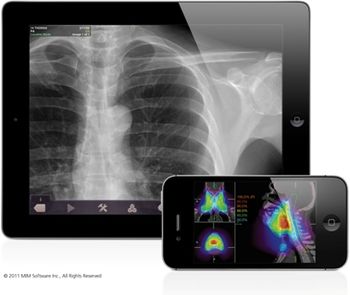
Smartphones and tablets are becoming essential extensions of radiologists’ work life. Facilities must have robust policies that are constantly updated.
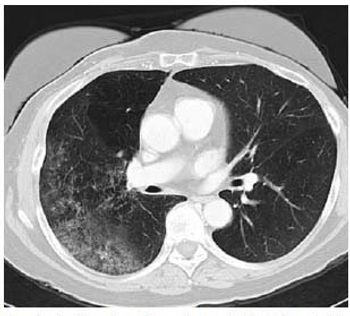
Higher-quality scans means radiologists are detecting more incidental findings. But how and when should they be reported and recommended for follow-up?
CMS proposed more required trials before approval for Alzheimer's imaging agents like Amyvid. Medicare may cover only one beta-amyloid PET scan for certain patients.
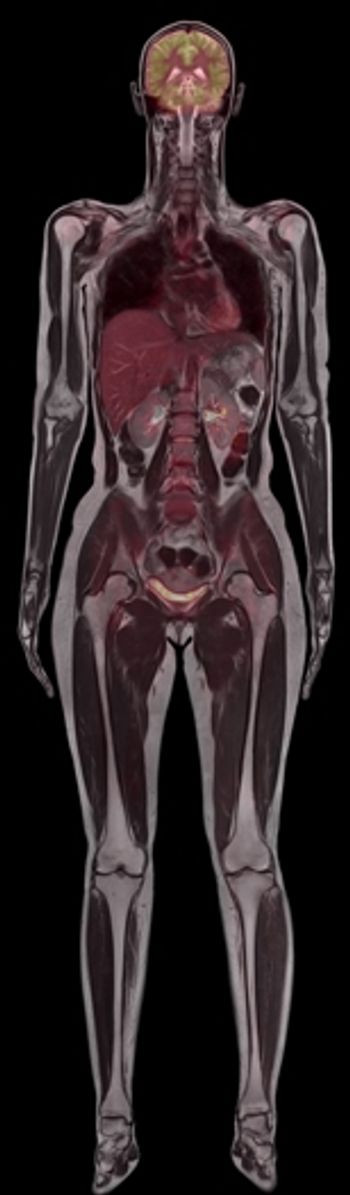
The promise of PET/MRI is clear, but challenges remain when it comes to implementing, reading and billing the new technology. This is the second in a two-part series.
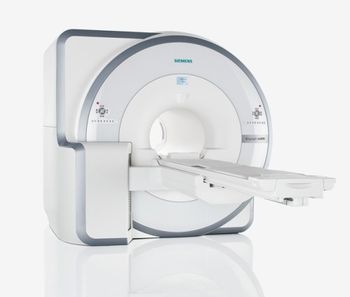
The institutions that adopted PET/MRI after its 2011 approval reflect on the changes in workflow and protocol, and the utility and future of the new technology. This is the first in a two-part series.

CMS cut MRI joint codes by 30 percent, thanks to three policy changes, and more cuts are expected. Here’s how the cuts are affecting practices.

Is your radiology practice’s case load growing, but your staffing level isn’t? Here’s how to leverage manpower and technology in lean times.
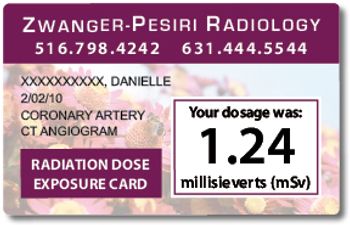
Zwanger-Pesiri has a unique approach to lowering dose: giving patients a dose information card after studies. Here’s how the program is affecting business and radiation levels.
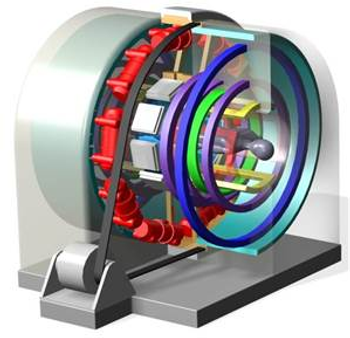
What if you could combine your CT and MRI machines, obtaining simultaneous and in vivo images? You’re one step closer, thanks to researchers like Ge Wang, PhD.
CMS is allowing local contractors to determine coverage of new oncology PET tracers, but tracers for neurological or cardiac uses aren’t included in the change.
For radiologists, the role of supervising physician is packed with rules and responsibilities - far more than a radiologist might know without expert help.
In radiology, much attention is paid to improving relations with referrers. What about with radiologic technologists? Here’s what to do and why it matters.
The HIPAA final rule increases violation fees, clarifies regulations, and stresses encryption.
Many radiology practices are finding the majority of audits are improper and the multiple government audit programs lack coordination.

Audits, especially by Medicare, seem to be increasing, frustrating many radiologists. Here’s your primer on audits and how to handle them.
The American Medical Isotope Production Act was signed and CMS added payments for non-highly enriched uranium isotopes. Here’s what it all means for imaging.
CMS’s non-coverage ruling for PET tracers could change, as industry groups are working to improve the process to boost development and access to PET tracers.
A few pioneers are using social media in innovative ways - beyond status updates and promotions. Here they detail six social media approaches you can use.
Researchers found that an antioxidant pill taken before an X-ray may prevent radiation-induced cancer by reducing the precursor DNA double strand breaks.
Inundated with CDs of outside radiology studies, some tertiary care facilities are developing policies to manage the import and work flow of these studies.