The utility of the investigational agent Cu 64 PSMA-I&T has been the subject of recent phase 3 trials for initial staging and biochemical recurrence of prostate cancer.
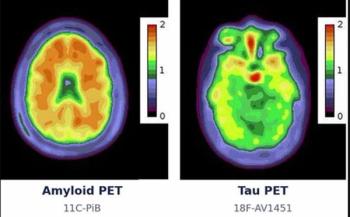
Among midlife adults with normal cognition, those with lower adiposity and a more favorable metabolic profile had the lowest tau levels, according to new PET and MRI research to be presented at the upcoming RSNA conference.
In a recent episode of our Molecular Imaging in Focus series, Christopher Rowe, MD, BMBS, FRACP, FAANMS, discussed pertinent phase 3 study findings for florquinitau F 18 that were presented at the recent Clinical Trials on Alzheimer’s Disease conference.
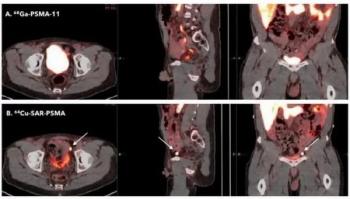
The PSMA PET radiopharmaceutical 64Cu-SAR-bisPSMA, which previously garnered two FDA fast track designations, more than doubled the detection of PCa lesions in comparison to 68Ga-PSMA-11 in the phase II Co-PSMA trial.
In a recent podcast episode, Jack Andrews, MD, discussed the role of PSMA PET in facilitating more targeted, metastasis-directed therapy for prostate cancer and recent phase 4 research comparing PSMA PET agents in men with low PSA values.
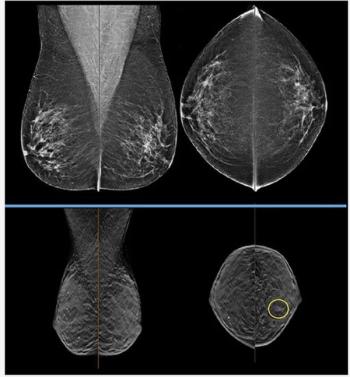
The use of GLP-1 receptor agonists increased BI-RADS breast density by at least one category in over 60 percent of women, according to new mammography research to be presented at the upcoming RSNA conference.
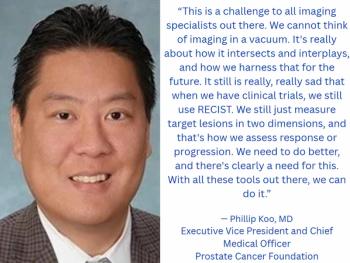
In a recent interview, Phillip Koo, MD, shared his thoughts on the impact of AI in radiology and nuclear medicine, the emergence and potential with theranostics, and how patient empowerment has changed radiology reporting.