
News|Articles|November 24, 2026
Mammography Study Shows Increase of Breast Density with GLP-1 Medications
Author(s)Jeff Hall
The use of GLP-1 receptor agonists increased BI-RADS breast density by at least one category in over 60 percent of women, according to new mammography research to be presented at the upcoming RSNA conference.
Advertisement
GLP-1 receptor agonists for weight loss may have a significant impact on breast density assessment for mammography exams, according to new study findings that will be presented at the
For the study, researchers reviewed screening mammograms obtained prior to and after at least one year of weight loss for 107 women (mean age of 57.5) who took GLP-1 medications. The mean weight loss for the cohort was 39.7 lbs., according to the study. The researchers employed Quantra (Hologic) for AI-automated assessments of breast density based on the BI-RADS system were obtained for 104 women in the cohort.
Is There a Link Between GLP-1 Medication and Increased Breast Density?
The study authors found an increase of breast density by one BI-RADS category in 57 women (54.8 percent) and by two BI-RADS categories (from fatty to heterogeneously dense) in eight women (7.7 percent).
“It was surprising that 62.5% of women had increased BI-RADS breast density despite substantial weight loss with no decreases observed. This may reflect disproportionate loss of breast fat, causing a relative increase in mammographic density even as absolute fibroglandular volume decreases,” observed lead study author Eva C. Gombos, MD, an assistant professor of radiology at Harvard Medical School and associate physician of radiology at Brigham and Women’s Hospital.
Could Mammography Screening Recalls Increase with the Use of GLP-1 Medications?
Three reviewing radiologists noted reduced breast size in 57.9 to 78.5 percent of the cohort. The study authors also pointed out over a doubling of the mammography screening recall rate (22.4 percent) in comparison to the approximate average recall rate for screening mammography in the United States (10 percent).
“The 22.4% screening recall rate is notable because all recalled cases were ultimately benign or negative, and all four biopsies were benign concordant. This may indicate that marked interval changes in breast composition after weight loss can create new asymmetries or other findings that prompt additional workup,” posited Dr. Gombos.
(Editor’s note: For additional coverage of the RSNA conference, click
The researchers also noted increased skin thickening in 9.3 to 17.8 percent of the cohort.
Should Women be Concerned About the Impact of GLP-1 Medications on Breast Density?
While noting that the study findings do not indicate any concerns about taking GLP-1 medications, Dr. Gombos said resulting weight loss can lead to changes on mammograms that may lead to increased call backs and additional imaging. Accordingly, Dr. Gombos encouraged patients to disclose use of GLP-1 medications prior to mammography screening exams.
“Because substantial weight loss may change breast density and mammographic appearance, patients should inform their breast imaging team about GLP-1 use and significant recent weight loss,” emphasized Dr. Gombos. “Breast imaging technologists can help document this information at the time of screening, providing useful context when radiologists compare current mammograms with prior examinations.”
Advertisement
Related to this article
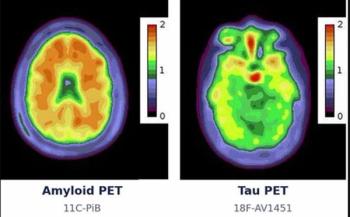
Among midlife adults with normal cognition, those with lower adiposity and a more favorable metabolic profile had the lowest tau levels, according to new PET and MRI research to be presented at the upcoming RSNA conference.

In a recent episode of our Molecular Imaging in Focus series, Christopher Rowe, MD, BMBS, FRACP, FAANMS, discussed pertinent phase 3 study findings for florquinitau F 18 that were presented at the recent Clinical Trials on Alzheimer’s Disease conference.
In a recent interview, Phillip Koo, MD, shared his thoughts on the impact of AI in radiology and nuclear medicine, the emergence and potential with theranostics, and how patient empowerment has changed radiology reporting.
In a recent interview at the HLTH USA conference, Maria Ansari, MD, FACC, shared her perspective on the ongoing evolution of AI in health care and how it can facilitate the increasing emphasis on value-based care.
In a recent interview at the HLTH USA conference, John Whyte, MD, MPH, shared his thoughts on the promise and limits of AI in health care.

In a recent interview, Collin Bower, BS, RT(R)(CT), discussed how advances in workflow orchestration through enterprise imaging can bolster efficiencies and optimize clinical focus for radiologists.
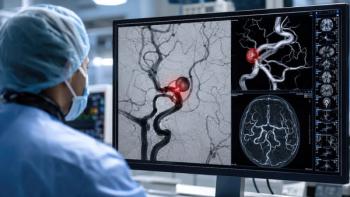
Uptunity | Aneurysm reportedly identifies suspected saccular brain aneurysms larger than 3 mm on head CTA and provides quantitative comparison between exams to assess changes in known aneurysms over time.
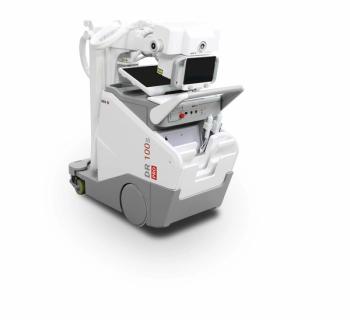
The mobile X-Ray unit DR 100s Pro reportedly offers an array of attributes to facilitate workflow efficiencies and quality imaging.