












How to bring an idea to the market.
How to bring an idea to the market.
Start seeing your radiology patients as consumers.
Radiologists can use their IT expertise to help ACOs succeed.
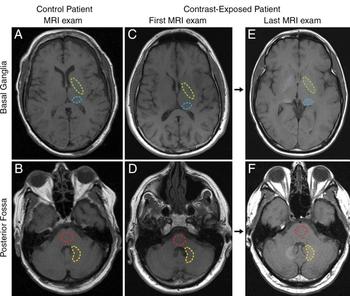
Imaging with gadolinium does not put patients at risk for adverse neurologic outcomes later in life.
Radiologists need to capitalize on technology.
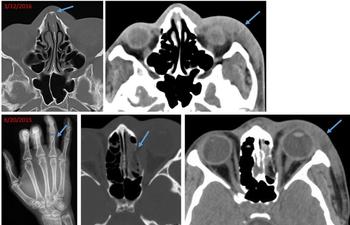
Images that show specific types of injuries and old injuries could help radiologists identify victims of domestic and sexual abuse.

Experts at RSNA 2017 discuss how federal agencies are working to accelerate AI in practice.
Tips for radiology practices on compensating for a loss from MIPS.

Dealing with unexpected downtime.
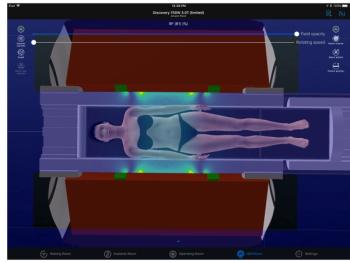
A new app about MR safety has some surprising benefits for efficiency.

The discomfort of a positive finding.

Radiology in the reality of decreasing turnaround time expectations.
Radiology reports may have fewer addenda when residents or fellows are involved in the process.
Unnecessary clarifications in the radiology report.
…ask yourself: What am I trying to accomplish here?

Nuclear medicine radiologic technologists may be at risk for developing cataracts.

No-show appointments are costly for radiology departments.
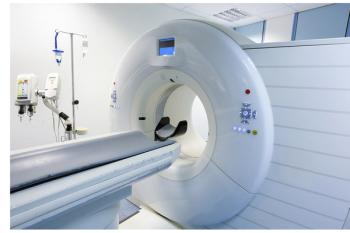
Multiple CT scans for young adults with non-traumatic acute abdominal conditions increase radiation exposure.
Own your role in your radiology practice.
Real-world applications of AI in radiology.

More patients and providers are aware of CT dose in 2015 than they were in 2004.
A tale of two hospital takeovers from a radiologist who lived through them.
An effort to keep valuable radiologists.
Disparities in radiation doses from CT scans in different countries.
MRI may still be possible for some patients with non-conditional cardiac implantable electronic devices.