












The automated algorithm can help save both time and money and minimize clinical subjectivity.
The automated algorithm can help save both time and money and minimize clinical subjectivity.

Go-to steps from a senior imaging informatics analyst during SIIM 2020 to bolster security efforts.

COVID-19 is an additional factor in patients shying away from follow-up exams. Nuance Communication’s Sander Kloet shares his perspectives from SIIM on addressing this issue.

A dashboard to track the total image analysis time, as well as a daily performance report, reduced emergency department turnaround times and improved workflow.
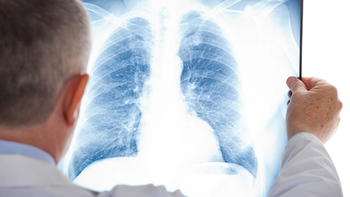
An analysis of a new law shows directly contacting patients about needed follow-up has little impact – greater radiologist involvement and communication with referring providers is needed.

Registry designed to improve patient care.
A group of female radiologists advise practices and departments to consider and address providers’ childcare needs when designing plans to re-open and resume normal work schedules.

Radiologists must engage in social media messaging to regain control of information about AI use in diagnostic imaging.
Diagnostic Imaging's Weekly Scan: June 19, 2020
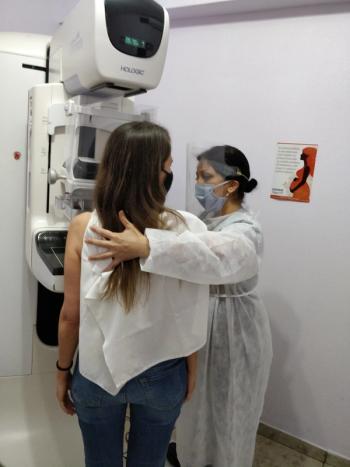
Three facilities share what is working best as they begin to screen more patients.

While data and analytics reporting has grown immensely throughout other industries, it is still highly underutilized in radiology.
One rural-based model shows bringing interventional radiology services to older patients in their home not only improve access to care, but also catapults patient satisfaction.

An ACR panel shares insights on what your practice could face in the next phase of the outbreak.
Symptoms of digital eye strain are felt more among women and trainees.

Small daily techniques can help you avoid burnout as imaging volumes swell to process the backlog of scans.

Three causes of errors and three potential solutions to improve diagnostic accuracy.
Knowing what will impact image volumes can help put practices on the fastest road to imaging stability.
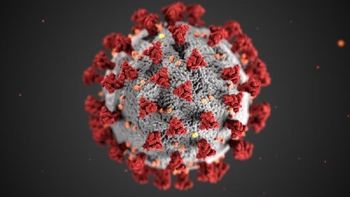
New York’s largest health system experiences 88-percent decrease in outpatient imaging between 2019 and 2020, indicating potential national trend.
The University of Washington saw the first COVID-19 cases, now they have designed a plan for re-emerging.
Diagnostic Imaging's Weekly Scan: May 22, 2020

The COVID-19 pandemic has had wide-ranging effects on the practice of medicine.
Diagnostic Imaging's Weekly Scan: May 8, 2020.

Radiologists can use online videos as a way to correct inaccurate breast cancer screening messages.
Experts suggest designing a strategy to handle the backlog of imaging studies now.
Patients sit in their cars until texted that it’s time to enter the clinic for their scan.