


X-Ray
Latest News
Advertisement
Latest Videos

Shorts

0:59
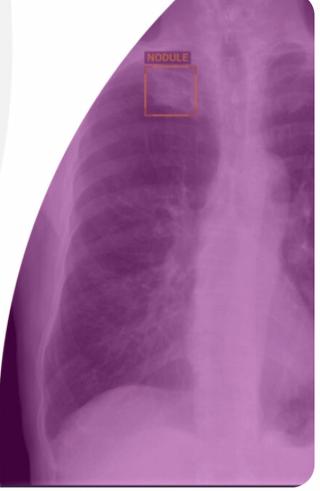
A Closer Look at the AI-Powered Lung Nodule Malignancy Score Software for CXR
10 months ago
by
Hari Kishan Gonuguntla, MD
Podcasts













Advertisement
More News
The Reporting Pro software reportedly offers an array of AI-enabled features that may help streamline radiology reports.

Catch up on the top AI-related news and research in radiology over the past month.
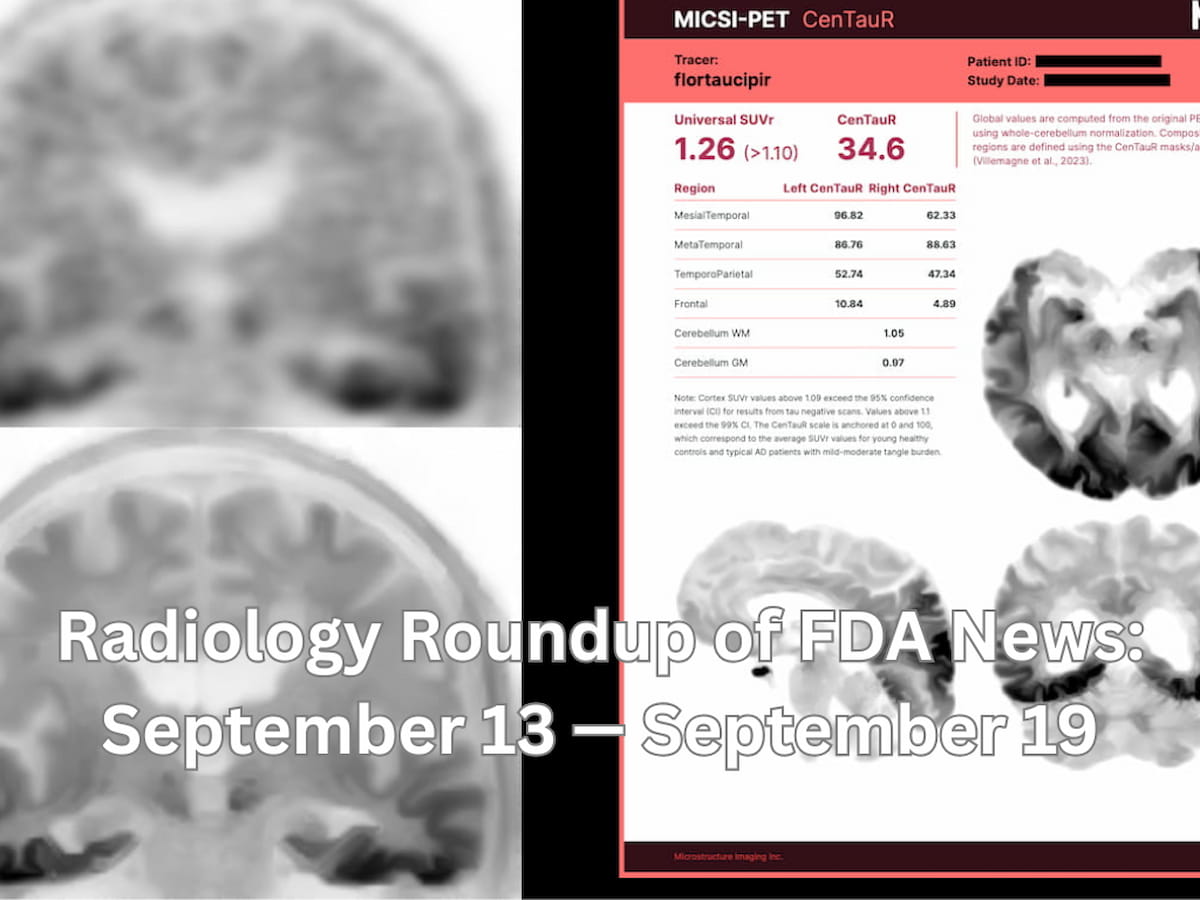
Catch up on a variety of new FDA clearances in radiology from the past week.

Recently published multinational research revealed that AZtrauma had a 95.6 percent AUC for detecting dislocations and a 97.5 percent AUC for detecting joint effusions.
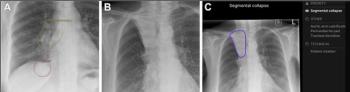
A retrospective comparison of AI platforms from seven different manufacturers for stand-alone lung cancer detection revealed sensitivity rates ranging between 20.8 percent to 77.8 percent.
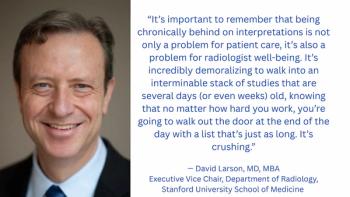
In recent interviews, Andrew Del Gaizo, MD, Nicholas Galante, MD and David Larson, MD, MBA, shared their thoughts on the rapidly increasing imaging volume in radiology, key ramifications and possible solutions.

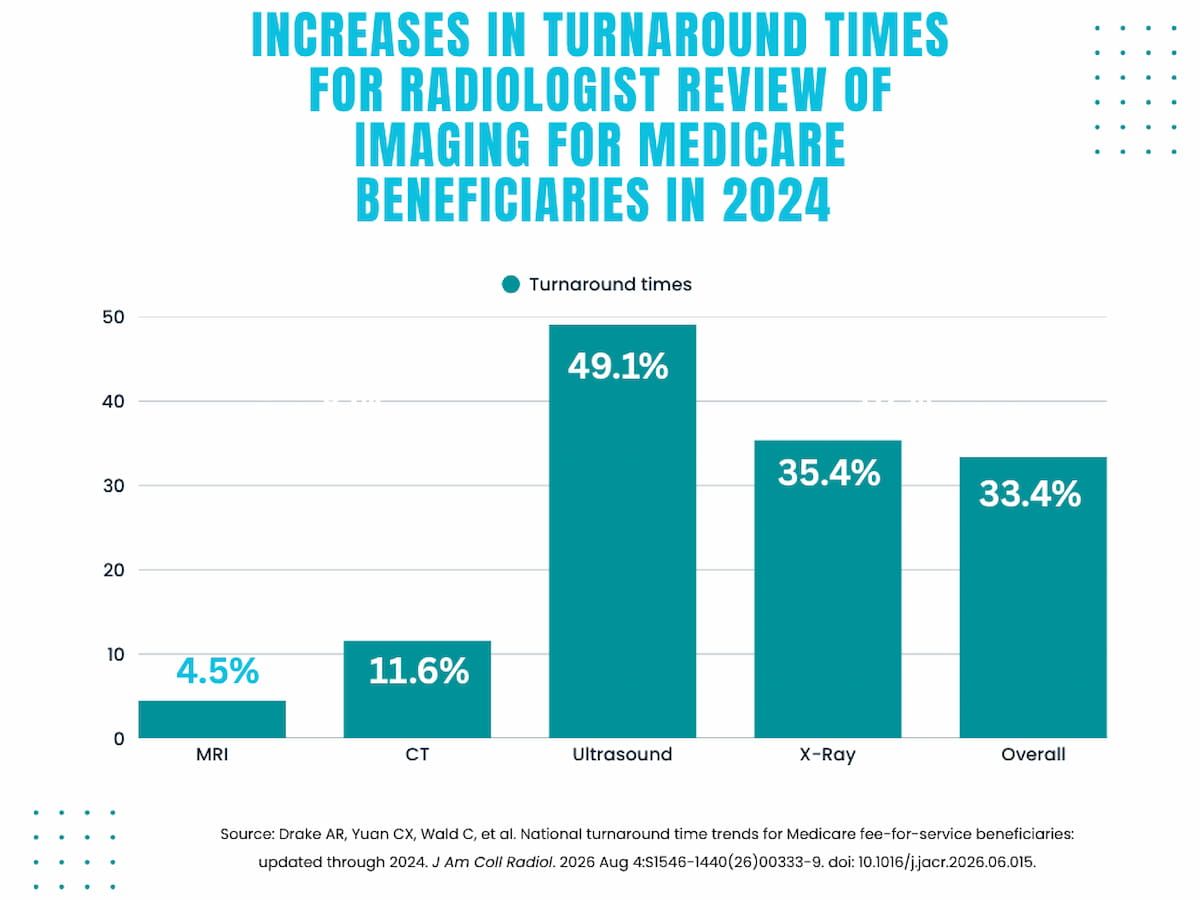
Over a 10-year period, radiology report turnaround times for Medicare beneficiaries increased 113 percent with a total 87 percent increase occurring in 2022 and 2023, the last two years of a newly published retrospective study.
Catch up on a variety of new FDA clearances and approvals in radiology from the past week.
Catch up on the top AI-related news and research in radiology over the past month.
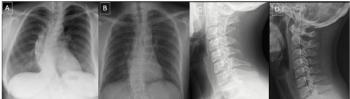
Only 41 percent of radiologists spotted radiographs that were generated by the large language model GPT-4o, according to newly published research.
Catch up on a variety of new FDA clearances and approvals in radiology from the past week.
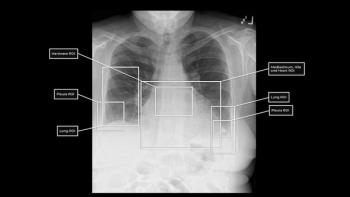
The FDA clearance for the AI-enabled chest X-ray software qXR-Detect reportedly includes detection of findings in the lung, pleura, hila and heart, bone and mediastinum.

In a recent interview, Hari Kishan Gonuguntla, M.D., discussed AI-powered evaluation of chest X-rays with the Lung Nodule Malignancy Score software and key findings from multinational prospective research presented at the recent ESMO Congress 2025 meeting.
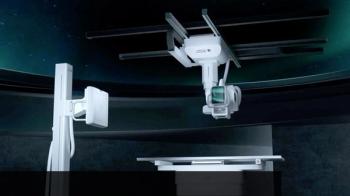
The new X-ray platform reportedly offers AI-enhanced automation with patient positioning, quality control and image processing.

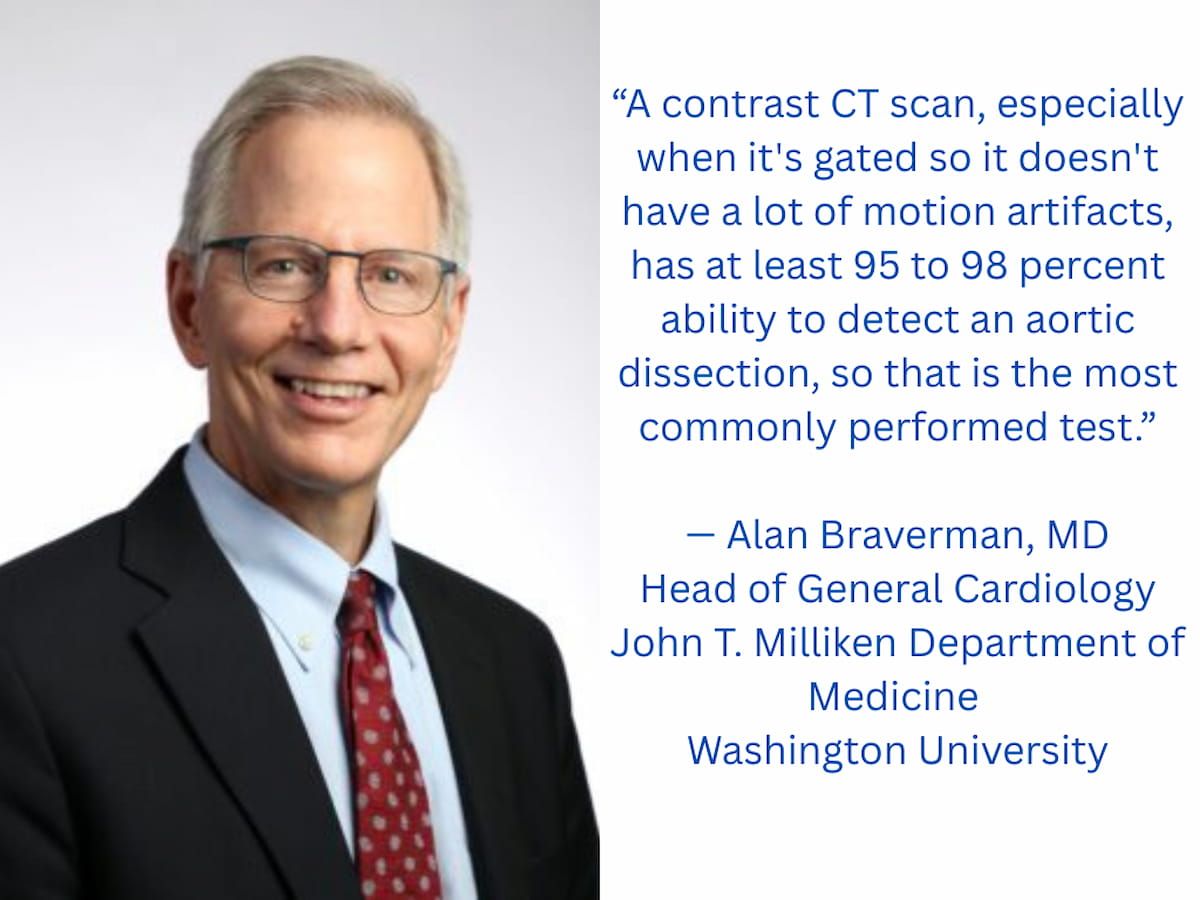
In a recent interview, Alan Braverman, M.D., discussed challenges with the detection of aortic dissection, reviewed pertinent risk factors and offered insights on imaging that may facilitate earlier diagnosis of the life-threatening condition.
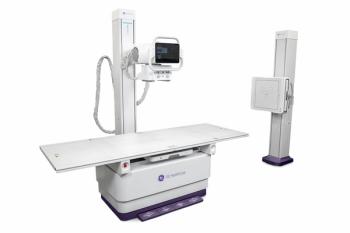
The newly launched Definium Pace Select ET X-ray platform reportedly provides increased automation and advanced image processing.
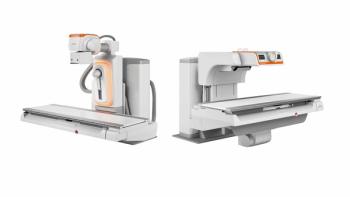
Offering ergonomic controls and AI-enabled features, the remote-controlled Luminos Q.namix R system and the Luminos Q.namix T platform with tableside control reportedly facilitate workflow efficiencies for complex radiography and fluoroscopy examinations.
In a recent interview, Samir Abboud, M.D., discussed new research examining the impact of generative AI in maximizing efficiency and reducing the time-consuming nature of radiology reporting.
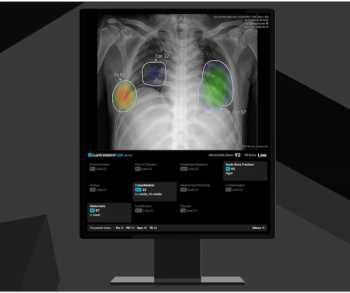
The Lunit Insight CXR4 update reportedly offers new features such as current-prior comparison of chest X-rays (CXRs), acute bone fracture detection and a 99.5 percent negative predictive value (NPV) for identifying normal CXRs.
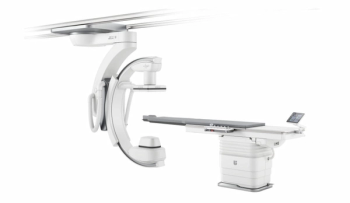
Employing intelligent robotics and enhanced low-dose image quality, the uAngio AVIVA X-ray system also offers hands-free image review and movement.
Catch up on the most-well viewed radiology content in April 2025.
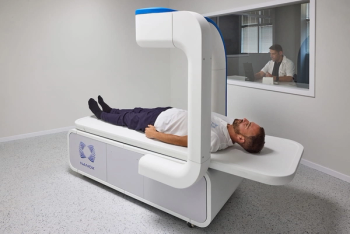
The Nanox.ARC X system reportedly provides enhanced 3D imaging for a variety of indications, ranging from pulmonary imaging and intra-abdominal views to musculoskeletal assessment.
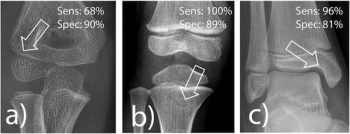
Artificial intelligence (AI) software demonstrated a 92 percent sensitivity for detecting fractures in a study involving over 1,600 X-rays from a tertiary pediatric emergency department.
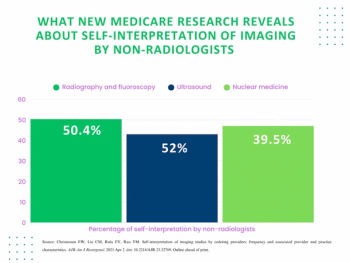
In a review of over 1,630,000 office-based non-breast imaging Medicare fee-for-service (FFS) claims from 2022, researchers found that 39.5 percent of nuclear medicine imaging were interpreted by ordering clinicians.
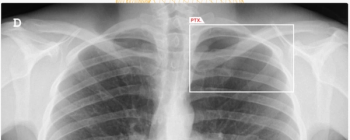
The AI-powered AZchest CXR software reportedly offers 93.79 percent sensitivity and a 98.57 percent AUC for pneumothorax.
Advertisement
Advertisement
Trending on Diagnostic Imaging
1
Study Links AI BMD Assessment on Chest CT to Faster Cognitive Decline and White Matter Changes on Brain MRI
2
Study Reveals Mixed Results with Deep Learning Model for Breast MRI
3
Is Private Practice Radiology as Important as an Amusement Park?
4
FDA Issues Breakthrough Device Designation for AI CXR Triage Software for Pneumomediastinum and Lung Collapse
5