

AI Coverage
10 days ago
LLMs for Clinical Impact Today in RadiologyLatest News
Jun 19, 2026 | News
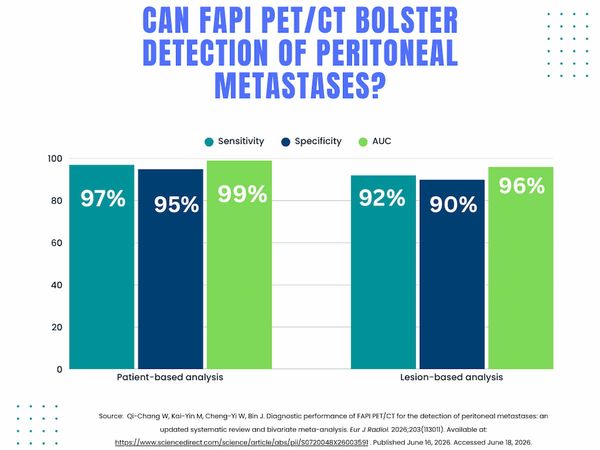
What a Meta-Analysis Reveals About FAPI PET/CT for Detection of Peritoneal Metastases

Can Photon-Counting CT Provide Timely Clarity After Mechanical Thrombectomy?
Jun 19, 2026
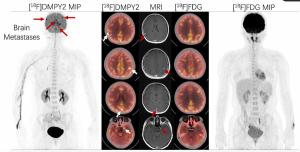
Emerging PET Radiotracer May Enhance Detection of Small Metastases in Patients with Advanced Melanoma
Jun 18, 2026

Can Biomechanical CT Have an Impact in Opportunistic Screening for Osteoporosis?
Jun 18, 2026
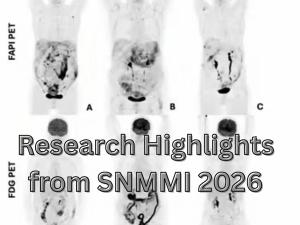
Research Highlights from SNMMI 2026
Jun 17, 2026





Advertisement
Shorts
1:08
Reducing the Cognitive Friction with Radiology Reporting
2 days ago
by
Nina Kottler, MD, MS

0:56
A 'New Renaissance' for Nuclear Medicine
2 days ago
by
Heather Jacene, MD
0:47
GLP-1 Receptor Agonists and Reduced Breast Cancer Risk: Is There More to the Story?
4 days ago
by
Manisha Bahl, MD

0:47
Self-Policing and MRI Safety
4 days ago
by
Tobias Gilk, MRSO, MRSE

0:37
Could a Tau PET Radiotracer Facilitate CTE Detection in Living Patients?
7 days ago
by
Isabelle Boileau, PhD

0:59
A Call for Regulation of MRI Safety
8 days ago
by
Emanuel Kanal, MD
0:43
Assessing Key Advantages with Total Body PET/CT and Long Axis Field of View
10 days ago
by
Alicia Corlett, NMT

0:59
Pylarify vs. Posluma: What Phase 4 Research Reveals About Urinary Radioactivity
12 days ago
by
Phillip Kuo, MD, PhD

0:50
Welcoming the Diverse Perspectives Among Nuclear Medicine Technologists
14 days ago
by
Shannon Youngblood, EdD, MSRS, CNMT, RT(CT) (ARRT)

0:43
Key Design Parameters for Integrating Disney Characters into Pediatric MRI to Reduce Anxiety
15 days ago
by
Atul Gupta, MD
Podcasts

Videos














All News
Advertisement
Advertisement
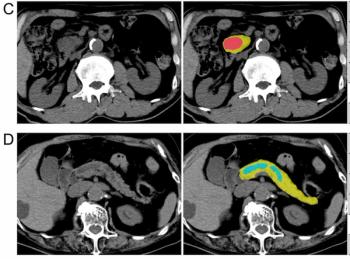
For pancreatic cancers less than or equal to 20 mm, a deep learning model offered a nearly 45 percent higher sensitivity rate with non-contrast CT in comparison to unassisted radiologist interpretation.
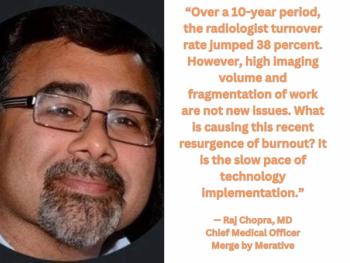
Noting that frustration over slow implementation of technological advances may be contributing to mounting radiologist frustration and subsequent burnout, this author offers key principles for integrating technological solutions into radiology workflows.

In the latest episode of the Molecular Imaging in Focus series, Michael Hofman, MBBS, FRACP, discussed the potential of an emerging PET radiotracer for DVT detection spotlighted in SNMMI’s “Image of the Year,” a new advance in total body PET/CT and other highlights from the SNMMI conference.
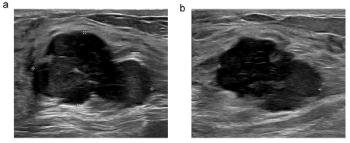
While use of an AI software demonstrated significantly higher accuracy in evaluating BI-RADS 2 presentations and no significant difference with radiologists in BI-RADS 4 assessments of breast ultrasound in a sub-analysis, researchers noted the exclusion of galactoceles, fluid collections and skin lesions that are commonly found in pregnant and lactating women.
In a recent interview, new SNMMI president Heather Jacene, MD, discussed key goals for bolstering workforce development in nuclear medicine, improving infrastructure equity and optimizing emerging advances to facilitate precision treatments in oncology.
While perspective is important for reining in an unrelenting perfectionism here and there, the inner drive for achievement can serve as fuel for consistently high quality over the course of a radiologist’s career.

Indicated for the detection and visualization of abnormal vascularity in the central nervous system (CNS) and non-CNS body regions, gadoquatrane provides 60 percent less gadolinium dosing in comparison to other macrocyclic gadolinium (Gd)-based contrast agents (mGBCAs).

Catch up on the top radiology content of the past week.
In a recent interview, Nina Kottler, MD, discussed the challenges with traditional radiology reporting, its impact on cognitive load and the recently launched AI-enabled platform Mosaic Reporting.

New research suggests the silent accumulated social costs of remote work are outweighing the benefits of increased flexibility and autonomy.
Advertisement

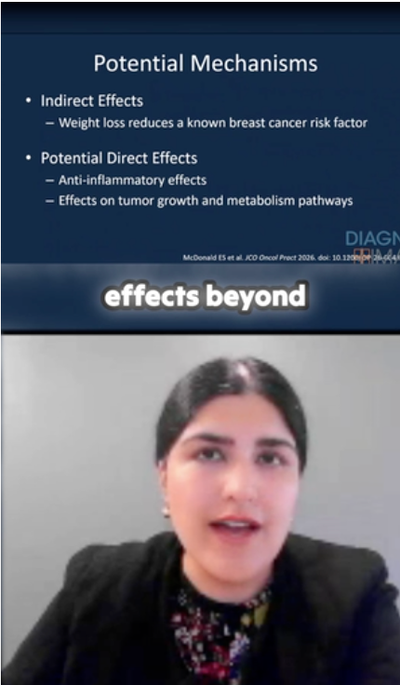
In the latest episode of her “Breast Imaging in Focus” series, Manisha Bahl, MD, MPH, FSBI, discusses new research findings from a study involving over 111,000 women that suggest the potential utility of GLP-1 receptor agonists for reducing breast cancer risk.
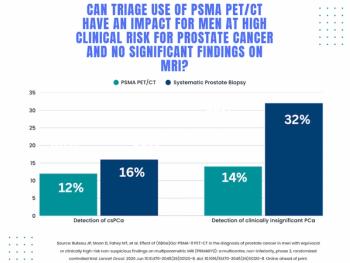
For men with high clinical risk for prostate cancer (PCa) and a lack of significant findings on mpMRI, triage use of PSMA PET/CT resulted in a 49 percent reduction of biopsies and an 18 percent reduction in detection of clinically insignificant PCa, according to newly published research.
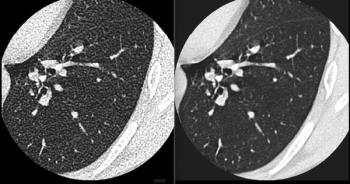
The AI-enabled image processing with SubtleHD(CT) software reportedly facilitates improved noise reduction and image quality for computed tomography (CT) exams.
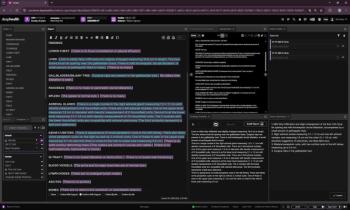
The Reporting Pro software reportedly offers an array of AI-enabled features that may help streamline radiology reports.
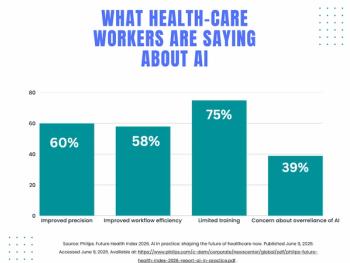
In a new survey of over 2,000 health-care professionals on AI use, respondents cited benefits ranging from improved work-life balance to preventing medical errors as well as concerns about overreliance on AI and inconsistent or limited training.
Advertisement
Advertisement
Trending on Diagnostic Imaging
1
Emerging PET Radiotracer May Enhance Detection of Small Metastases in Patients with Advanced Melanoma
2
Can Biomechanical CT Have an Impact in Opportunistic Screening for Osteoporosis?
3
Can Photon-Counting CT Provide Timely Clarity After Mechanical Thrombectomy?
4
What a Meta-Analysis Reveals About FAPI PET/CT for Detection of Peritoneal Metastases
5