

Commentary|Videos|June 11, 2026
Breast Imaging in Focus: Can GLP-1 Receptor Agonists Reduce Breast Cancer Risk? What New Research Reveals
Author(s)Manisha Bahl, MD
In the latest episode of her “Breast Imaging in Focus” series, Manisha Bahl, MD, MPH, FSBI, discusses new research findings from a study involving over 111,000 women that suggest the potential utility of GLP-1 receptor agonists for reducing breast cancer risk.
Advertisement
A recent study examined whether glucagon-like peptide-1 (GLP-1) receptor agonists are associated with a reduced risk of breast cancer. GLP-1 receptor agonists have emerged as effective treatments for obesity and type two diabetes. These medications promote weight loss and improve metabolic health. Now researchers are asking an important question: Could they also reduce the risk of breast cancer?
To investigate this question, researchers reviewed electronic health record data for a large retrospective study involving women who underwent breast imaging between 2022 and 2025. The study included more than 111,000 women aged 45 to 80 years who were overweight or obese. Approximately 15,000 of these women had been prescribed a GLP-1 receptor agonist while the remainder had not. The investigators subsequently compared breast cancer rates between the two groups.1
The results were striking. After accounting for an array of variables such as age, race, ethnicity, body mass index, breast density, and diabetes status, the study authors found that women who had been exposed to a GLP-1 receptor agonist were 30 percent less likely to be diagnosed with breast cancer.1
Why might this be the case? One possibility is that weight loss itself plays an important role. Excess body weight is a well-established risk factor for breast cancer, particularly after menopause. Weight loss can favorably affect hormone levels, insulin resistance, and inflammation, all of which may influence breast cancer risk.
However, there may be more to the story. Emerging research suggests that GLP-1 receptor agonists may have biological effects beyond weight loss alone. Laboratory studies have shown that these medications may reduce inflammation and influence cellular pathways involved in tumor growth and metabolism. Some studies have even demonstrated direct effects on breast cancer cells.
These results are promising but should be interpreted carefully and within the context of the study's limitations. The study was observational in nature as opposed to a randomized clinical trial. Observational studies can identify associations, but cannot establish causation, even after adjustment for known risk factors. Unmeasured differences between GLP-1 receptor agonist users and non-users may partially explain the observed reduction in breast cancer incidence. The researchers acknowledged these limitations and appropriately described their findings as hypothesis generating.
The study authors emphasized that prospective randomized trials will be needed to determine whether GLP-1 receptor agonists truly reduce breast cancer risk, and if so, which patients are most likely to benefit.
In Conclusion
This study found that GLP-1 receptor agonist use was associated with a significantly lower incidence of breast cancer among overweight and obese women undergoing breast imaging. As a breast imaging radiologist, I find this study particularly interesting because it focuses on prevention. Much of our work in breast imaging centers on detecting breast cancers as early as possible. Ultimately, however, the greatest impact comes from preventing breast cancer from developing in the first place, although we're not yet at the point where GLP-1 receptor agonists should be prescribed specifically for breast cancer prevention.
However, studies such as this one open the door to new possibilities. If future clinical trials confirm these findings, GLP-1 receptor agonists could be part of a broader strategy for improving women's health and potentially reducing breast cancer risk.
Dr. Bahl is an associate professor at Harvard Medical School and a breast radiologist affiliated with Massachusetts General Hospital.
Reference
- McDonald ES, Gillis LB, Gabrial P, et al. GLP-1 agonists are associated with a significant reduction in breast cancer incidence in women. JCO Oncol Pract. 2026 Jun 2:101200OP2600485. doi: 10.1200/OP-26-00485.
Advertisement
Related to this article

In the latest episode of her Breast Imaging in Focus series, Manisha Bahl, MD, MPH, FSBI, discusses new research comparing mammography-based AI models for breast cancer detection and short-term risk prediction.

In the third of a three-part podcast episode, Wendie Berg, MD, PhD, FACR, FSBI, Manisha Bahl, MD, and Amy Patel, MD discuss recent developments with autonomous AI in breast imaging and share their perspective on the overall potential of AI to help mitigate the radiologist shortage.
In the second of a three-part podcast episode, Wendie Berg, MD, PhD, FACR, FSBI, Manisha Bahl, MD, and Amy Patel, MD discuss how to handle disagreements with adjunctive AI in breast imaging, whether to include AI assessments in PACS, and whether patients should pay for the use of adjunctive AI.
In the first of a three-part podcast episode, Wendie Berg, MD, PhD, FACR, FSBI, Manisha Bahl, MD, and Amy Patel, MD share insights on the utility of AI in breast imaging with respect to potential advantages, current concerns and future directions.

Catch up on the top radiology content of the past week.
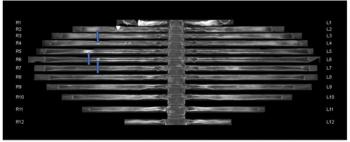
The use of adjunctive CT bone reading software in women with breast cancer detected between 8 to 22 percent more metastatic lesions for reviewing radiologists and reduced CT interpretation time by 50 percent or more, according to a new study.
Catch up on the top radiology content of the past week.
Catch up on the top radiology content of the past week.
Advertisement
Advertisement
Trending on Diagnostic Imaging
1
MRI Study Links Tightness of High-Convexity Sulci to Higher Risk of Cognitive Decline in Older Adults
2
FDA Clears First MRI-Derived AI Software for Assessing Breast Cancer Recurrence Risk
3
What a Large Prostate MRI Study Reveals About AI and Unassisted Radiologist Assessment
4
How Photon-Counting CT Helps Us Recognize that Coronary Stenosis is Just One Piece of the Puzzle
5