
Lobbying groups representing radiologists, mammographers, and general practice physicians are engaged in a political tug of war over how much of a role the U.S. Preventive Services Task Force should have in proposed federal healthcare reforms.
Lobbying groups representing radiologists, mammographers, and general practice physicians are engaged in a political tug of war over how much of a role the U.S. Preventive Services Task Force should have in proposed federal healthcare reforms.
Cardiac CTA has matched the clinical safety of a standard emergency room protocol for triaging chest pain patients with suspected myocardial infarction while cutting costs by more than a third in a multicenter randomized clinical trial involving more than 700 patients.
Cardiac imaging researchers are expanding the scope of topics considered at the 2009 RSNA meeting to include iodinated contrast media administration as a safety issue and clinical outcomes studies that weigh the relative merits of cost and clinical efficacy.
The evolution of neuroradiological research from anatomy to biochemistry can be seen in the frequency with which MRI techniques have led to research that will be presented at the 2009 RSNA meeting. Nearly all of the hottest papers this year employ some form of physiological or metabolic imaging.
Medical imagers can now expect Medicare to routinely cover FDG-PET for initial staging of cervical cancer, thanks to a national coverage ruling announced Nov. 10.
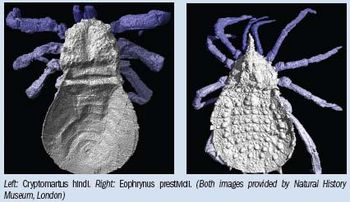
Unlike Tarantula and other horror films of the 1950s, fossil spiders in 3D CT may not be more terrifying than any creature known to man.
The American College of Radiology is predicting that imaging access will plunge and patient waiting times will soar from new Medicare Physician Fee Schedule rules that will cut Medicare payments for outpatient imaging by an estimated 16% next year.
CMS will increase the equipment utilization rate assumption used to determine the practice expense for all nontherapeutic medical equipment, including diagnostic imaging systems, from 50% to 90% under new Medicare fee schedule rules announced Friday. In a bit of good news for radiology, CMS said it remains on track to require that suppliers of advanced imaging services become accredited by 2012.

These are hard times for magazines, especially ones that devote themselves to medical practice.

For some, it's sweet charity. For others, it reflects the sad state of U.S. healthcare and the general economy, but for 37 women in rural Northern California, it was an opportunity to be screened for breast cancer.
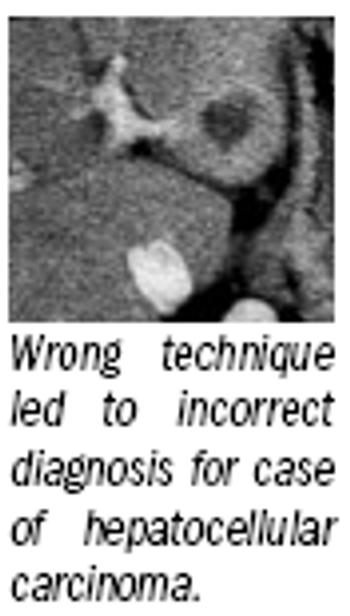
The American College of Radiology's routine announcement about a new committee for liver imaging reporting is the starting point for an ambitious plan to reinvent how radiologists diagnose and evaluate hepatocellular carcinoma.
Healthcare reform legislation from the House of Representatives, announced Thursday by Speaker Nancy Pelosi, is ready to go to members for discussion and a vote. The bill would cut Medicare payment rates for advanced imaging while establishing a 2.5% surcharge on the purchase price of new imaging equipment.
Most radiologists may not consider spending 20 minutes a day socializing with patients as time well spent, but Dr. Harvey Neiman, executive director of the American College of Radiology, considers it a crucial investment for the profession’s survival.
A forward-looking commentary in the Journal of the American Medical Association and related news coverage in The New York Times have drawn public attention to the diagnostic limitations of mammography and prostate cancer screening and future opportunities to develop better tests.
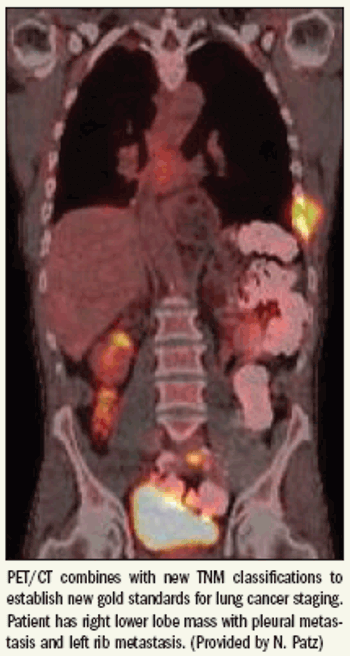
Radiologists may have to make only minor changes to their practices to adjust to the new international standards for lung cancer staging, but a lecture covering their implications was still controversial enough to send sparks flying.
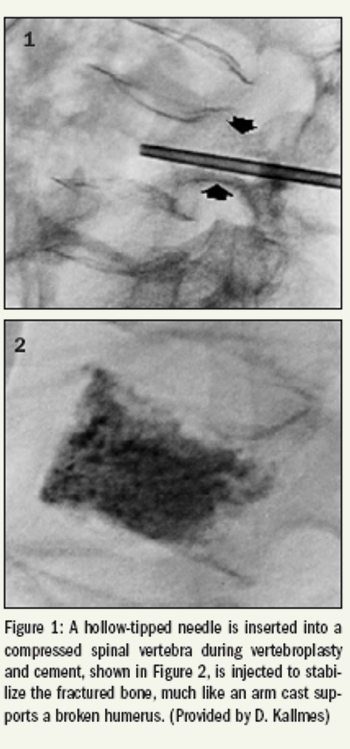
Interventional radiologists are coming to grips with the implications of two groundbreaking clinical trials indicating that vertebroplasty relieves pain from osteoporotic vertebral fractures no better than a sham version of the procedure.
Cedars-Sinai Medical Center, the prestigious Los Angeles healthcare institution known as the hospital to the Hollywood stars, has been jolted by an FDA alert indicating that perfusion CT performed during an 18-month period exposed more than 200 stroke patients to eight times the normal dose of ionizing radiation for the procedures.
Joanna Fowler, Ph.D., a major contributor to brain research and a pioneer in molecular imaging, will be awarded the National Medal of Science, the highest award this country bestows for lifetime achievement in science.
Coronary artery calcium scoring has been tested at the University of Western Ontario to flag nuclear myocardial perfusion scans that missed the presence of three-vessel coronary artery disease, and to triage patients who need coronary CT angiography or cardiac catheterization.
With no major health organization advising delay, the Radiological Society of North America is moving forward with its 2009 meeting, despite evidence suggesting the week-long event will be held in the midst of an H1N1 flu epidemic.
A proposal to increase the assumed equipment utilization rate, combined with other payment reductions, could result in 2010 rate cuts for imaging centers greater than those imposed by the Deficit Reduction Act of 2005, a new analysis concludes.
Five Republican governors have joined the opposition to a proposed $4 billion per year excise tax on medical device companies included in a Senate Finance Committee healthcare reform bill.
NightHawk, a leader in off-hours remote reading services, is upgrading its IT infrastructure to double its capacity to six million scans per year and to increase its presence in the daytime radiology market.
With the return of routine Mo-99/Tc-99 generator deliveries still at least four months away, nuclear imagers are discovering clinical alternatives from old and new diagnostic protocols to keep their practices alive.
After a month of discord over proposed terms for comprehensive healthcare reform, President Barack Obama attempted to get his legislative initiative back on track with promises of wide-ranging insurance reform and expanded access paid for mainly through cost savings from Medicare.
On the eve of a major presidential speech on healthcare reform, medical imaging advocates weighed in with political broadsides urging Congress to set aside legislative proposals they say will harm imaging device sales and clinical practices.
On the eve of a major presidential speech on healthcare reform, medical imaging advocates weighed in with political broadsides urging Congress to set aside legislative proposals they say will harm imaging device sales and clinical practices.
Considering the financial and professional implications of reform, it is not surprising that radiologists and imaging service providers are anxious about where the political discussion will lead.
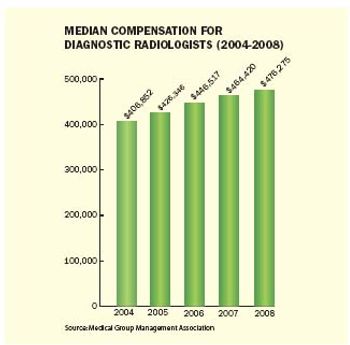
The crazy days of offering sky-high incomes to hire radiologists have ended, but the effects of the mid-2000s boom can still be seen in compensation levels near the top of the scale among all medical practitioners.
Unlike Tarantula and other horror films of the 1950s, fossil spiders in 3D CT may not be more terrifying than any creature known to man.