
Multi-institutional group is designed to engage providers in efforts designed to alleviate disparities in the healthcare system.
Multi-institutional group is designed to engage providers in efforts designed to alleviate disparities in the healthcare system.

Patient hand-offs are prime times for errors to occur, but departments and hospitals can take steps to make these moments safer.
When it comes to improving radiology understanding and performance, there’s a shift underway from peer review to peer learning.
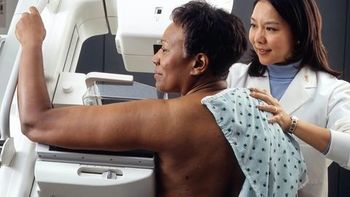
An effective strategy requires participation by public health advocates, legislators, providers, vendors, and the media.

In collaboration with Black Women’s Health Imperative, National Alliance for Hispanic Health, and RAD-AID, Hologic has launched Project Health Equality.

Move would support patients and encourage innovation.

Know what you have -- and know how it compares to the market.

Take a quick look at Diagnostic Imaging's Top 5 stories of the week.

Here's what to expect this week on Diagnostic Imaging.

When STAT is the norm, maybe it’s time to re-evaluate.

A radiologist and former Johns Hopkins president lays out guidance for how radiologists can successfully raise money for department activities.
Take a quick look at Diagnostic Imaging's Top 5 stories of the week.

Creating an online, updatable contact sheet can reduce the number of misdirected calls to the radiology department.
Matthew Michela, President and CEO of Life Image, discusses ONC information-blocking rules and strategies practices can take to ensure compliance.
Abdominal imaging specialist Jonathan Kruskal, M.D., Ph.D., assumed the role during the 2021 ARRS Virtual Annual Meeting.
Findings support the growing call to no longer require a radiologist’s presence for a barium swallow study.

Pivoting from CDs is a win for radiology, you just need to know how to do it.
Patients who have long-lasting, lingering symptoms of COVID-19 could present a growing impact on imaging services.
To successfully protect yourself from unforeseen circumstances, insurance – malpractice, life, disability, and umbrella – is vital.
When something you see on an image stops you in your tracks.
Here's what to expect this week on Diagnostic Imaging.
The switch to using USMLE Step 2 Clinical Knowledge scores is anticipated in January 2022.

Liability and responsibility concerns are not significant with AI use now, but as the tools enter clinical use, that will change.

Automated solutions can improve productivity while minimizing time and cost.
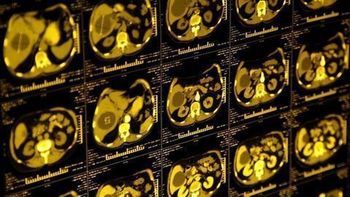
Two interventions to increase lung cancer screening rates from the clinical and community perspectives.
Registry brings together images and clinical data from multiple practice settings to help answer questions and produce results.

Positive acknowledgement can go a long way.

Four ways imaging vendors can help.
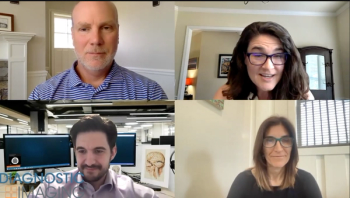
This partnership opens the door to better access to data for AI tools, as well as streamlined workflow, augments physician training, and better patient care.
The frustrations and realities of re-imaging orders that come back around quickly.