

COVID-19 and other viral infections have unique imaging characteristics that can help with diagnosis, experts say.
COVID-19 and other viral infections have unique imaging characteristics that can help with diagnosis, experts say.

Superconducting head MRI approved for use in critical care environments.
21-expert panel outlined 12 recommendations for when you can delay lung cancer screenings and lung nodule evaluations.
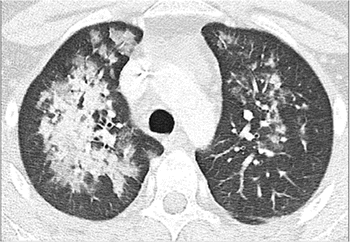
International expert group offers recommendations for proper imaging of younger infected patients.
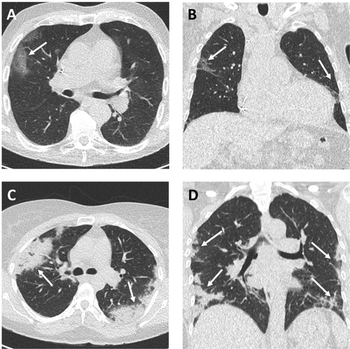
Submillisievert chest CT scans offer quick and accurate assessment, particularly in patients with symptoms more than 48 hours.
Reduced radiation exposure and virus transmission is possible for both patients and providers.
Providers and vendors receive an extended timeline for data sharing and health IT certification.
With more details about benefits and harms of annual screening, fewer women opt for the study.
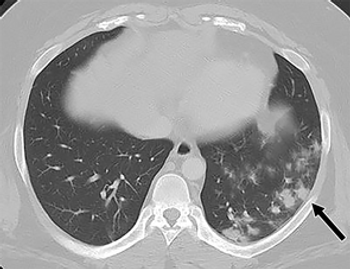
Abdominal CT scans show evidence of COVID-19 infection in lung base.
Protocol can minimize dose for CT scans when viral testing is less available.
Less imaging volume leaves radiologists with more down time.
510(k) clearance given to product for use in real-time surgery.

Eight recommendations released for imaging women post-mastectomy and breast reconstruction.
In a time when interoperability could be key, facilities have fewer resources to make it a priority.

Dr. Eliot Siegel discusses benefits, cautions, and long-term impact of using AI imaging tools during the outbreak.
Dr. Eliot Siegel discusses the role these tools play, as well as the challenges radiologists could encounter with using them.
Recommendations look to bring needed imaging equipment to facilities faster.
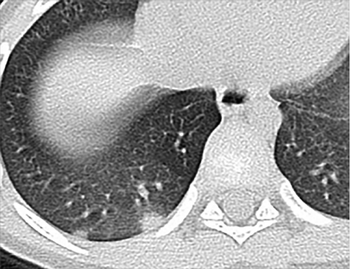
Younger patients have milder symptoms, fewer positive CT scans, and less lung involvement.
Real world guidance to protect both you and your patients.
Using AI technologies when imaging isn’t recommended for detection offers little benefit, according to an industry expert.
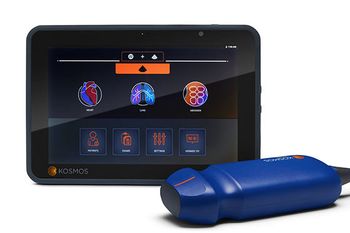
Eight-ounce scanner assesses heart function.

Resisting burning remains critical, especially during the COVID-19 pandemic.
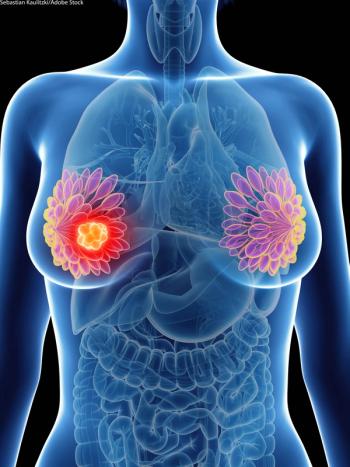
Shortened protocol identifies more cancers than ultrasound or mammography.

Combining both modalities is an acceptable alternative to MRI, study finds.

Behold.ai receives approval for red dot® imaging recognition algorithm.
Low-dose procedures and shifting in imaging are credited for the decline.
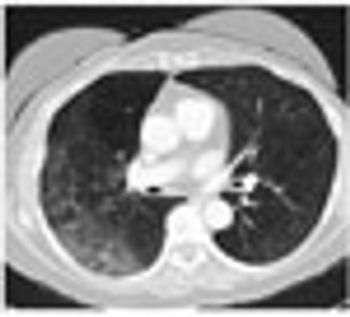
Software derives biomarkers designed to monitor respiratory disease.
Researchers identified significant DNA breaks and chromosome aberrations with standard-dose CT; no impact from low-dose scans.
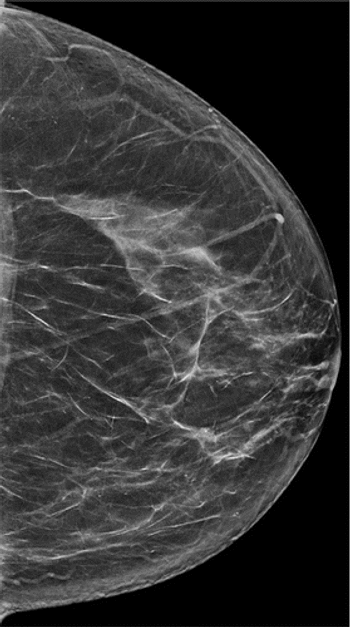
Digital breast tomosynthesis identifies more aggressive cancers with fewer false positives than traditional mammography over the long term.
ScreenPoint Medical receives greenlight for Transpara™ 1.6.0. to reduce read times.