All News


All series


All All News

Noting the significant administrative fees for the Independent Dispute Resolution (IDR) process of the No Surprises Act and onerous restrictions that have led to a nearly “non-existent” use of batching of disputed claims in radiology, the American College of Radiology (ACR) has sent formal recommendations to the United States Departments of Health and Human Services, Labor, and Treasury for addressing these issues.
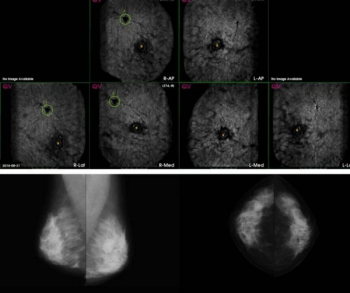
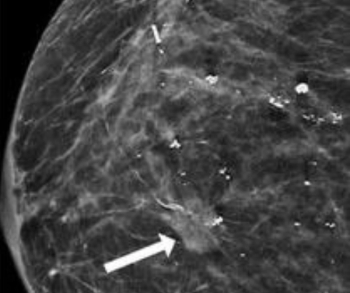
Emerging research suggests combined artificial intelligence (AI) assessment of digital mammography and automated 3D breast ultrasound provides enhanced detection of breast cancer in women with dense breasts and may be a viable alternative in areas where radiologists are scarce.

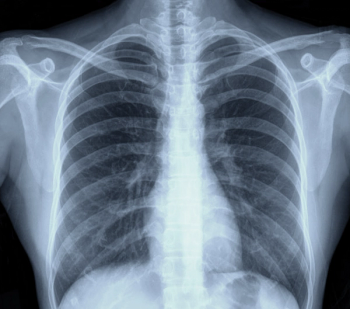
In a study involving patients who presented to emergency departments with acute chest pain, a deep learning model demonstrated significantly improved prediction of aortic dissection and all-cause mortality and indicated that additional pulmonary and cardiovascular testing could be deferred in seven times as many patients as suggested by conventional risk factors and testing measures.

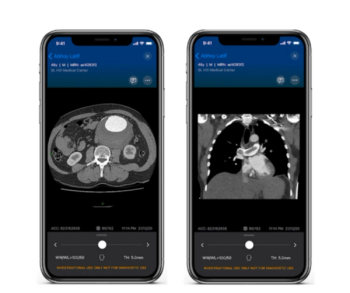
The artificial intelligence (AI)-enabled Viz™ Vascular Suite reportedly allows automated detection of vascular conditions, shown on computed tomography (CT) and other imaging modalities, and facilitates timely triage among interdisciplinary teams.

In the second part of a recent interview, Nina Kottler, M.D., M.S., discussed keys to evaluating the potential value of artificial intelligence (AI) systems and emerging developments with AI that were discussed at the recent Radiological Society of North America (RSNA) conference.

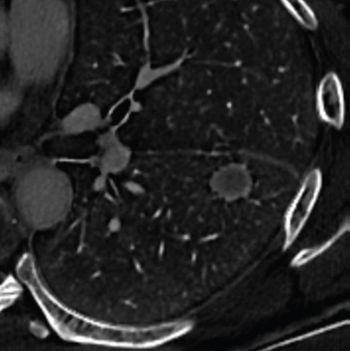
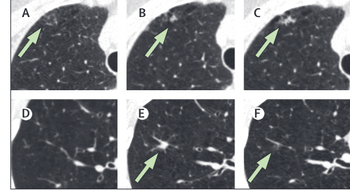
From incidental findings and screening for chronic obstructive pulmonary disease (COPD) to surveillance imaging protocols and the advent of artificial intelligence (AI), the authors of a new meta-analysis examine insights and emerging trends from the last two decades of research on the use of low-dose computed tomography (CT) in lung cancer screening.

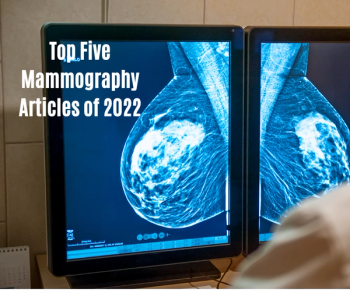
In a recent interview from the Radiological Society of North America (RSNA) conference, Mary Yamashita, M.D. discussed a variety of findings from a survey of over 8,000 women about breast density awareness, challenges with current breast density notification after mammography exams, and the ongoing need to educate patients as well as referring providers on breast density awareness.