
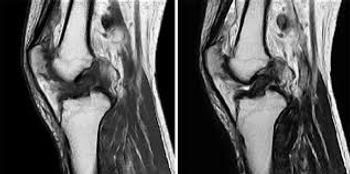
Researchers compared graft maturity between quadricep and hamstring tendon autografts using signal intensity ratio.
Researchers compared graft maturity between quadricep and hamstring tendon autografts using signal intensity ratio.

Take a quick look at Diagnostic Imaging's Top 5 stories of the week.

One facility’s experience shows an increased interest in consultation services can create better treatment plans and augment the radiologist’s role in patient care.
Scans measure blood volume in the brain, assessing oxygen levels and helping to track progress of gene-editing therapies.
New deep learning tool is designed to help radiologists evaluate chest X-rays regardless of where they work.
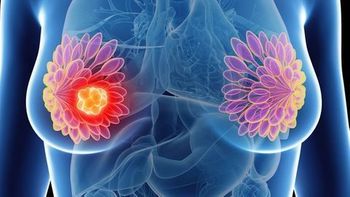
Combination also leads to a reduction in the false-negative rate.

Elderly female with lymphoma. What is the most likely diagnosis of the imaging finding, which demonstrates increased FDG uptake?
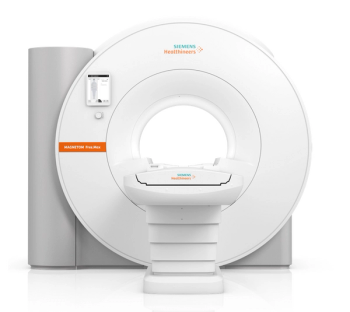
Company’s smallest, most light-weight scanner receives approval.

Being outside the standard deviation isn’t always a bad thing.

Success in radiology comes with these three characteristics.
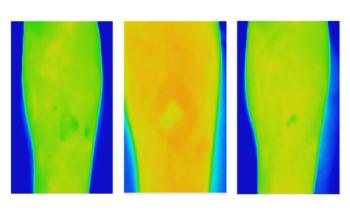
Non-invasive technique can predict which leg wound will heal within three months.

Remote working is likely to remain in some form after concerns over COVID-19 decrease.
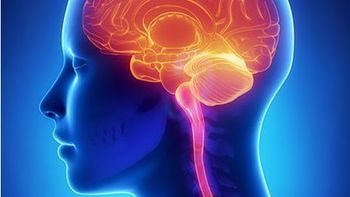
An interview with two experts to discuss newly released guidance for using standardized MRI protocols for patients with this condition.
Take a quick look at Diagnostic Imaging's Top 5 stories of the week.
A study of more than 10,000 images shows the scans achieve high diagnostic accuracy.

Adolescent male presented with complaint of pain in the left hip, which is relieved by analgesics.

Study from NIST shows great variation between MRI scanners from multiple vendors, limiting accuracy and diagnostic confidence.

HIV-positive individuals experience more coronary plaque even if they have low-to-moderate risk for cardiovascular disease.
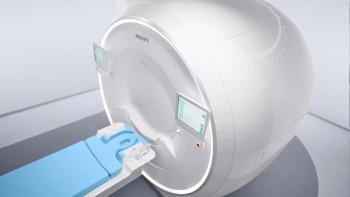
Created in a partnership, the ultra-fast MRI technique captures images in a single breath-hold -- the project's clinical leader offers insights.
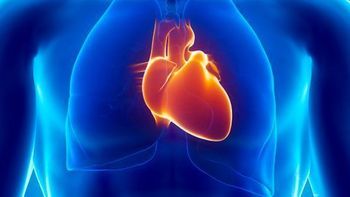
Using a deep learning tool slices reading time by nearly 75 percent and makes disease identification easier.
Incidence is rare and should not discourage vaccine use, but providers should be aware of the possibility.
A 45-year-old male patient presented with pain in the right iliac fossa.

American College of Radiology introduces website that offers guidance and resources for the use of artificial intelligence.
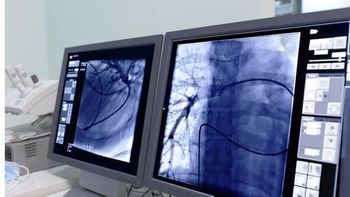
Being open to the positives in your daily life will actively decrease the negatives you see.

Study shows patient responses can identify errors and lead to better quality improvement efforts.
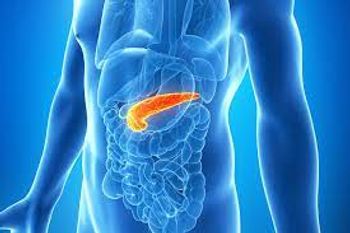
Wide variation in follow-up recommendations for pancreatic cysts could affect supplemental imaging.

Keeping your patient’s data safe requires more advanced tactics.
Take a quick look at Diagnostic Imaging's Top 5 stories of the week.

The latest products released on the market for Quarter 2 2021.
Digital breast tomosynthesis offers benefits over mammography, but it is enough to change screening?