







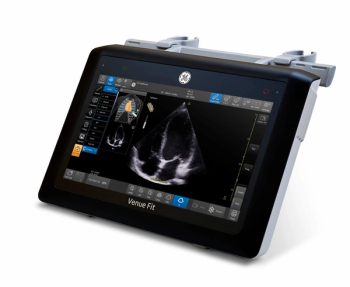
Geared to clinicians who may lack ultrasound expertise, the artificial intelligence (AI)-powered Caption Guidance technology reportedly provides stepwise instruction for acquiring optimal cardiac ultrasound images.
Geared to clinicians who may lack ultrasound expertise, the artificial intelligence (AI)-powered Caption Guidance technology reportedly provides stepwise instruction for acquiring optimal cardiac ultrasound images.
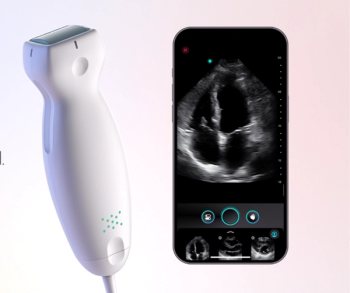
The Exo Iris reportedly combines advanced silicon technology with imaging, workflow software and artificial intelligence (AI) to facilitate multidisciplinary use of point-of-care ultrasound.
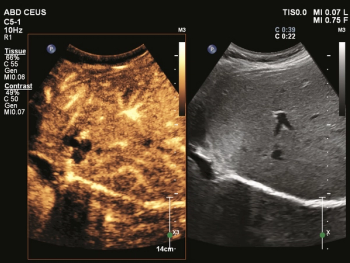
The Microvascular Imaging Super Resolution Contrast-Enhanced Ultrasound application reportedly leverages micro-bubble contrast media to provide enhanced spatial resolution for imaging of malignant lesions.
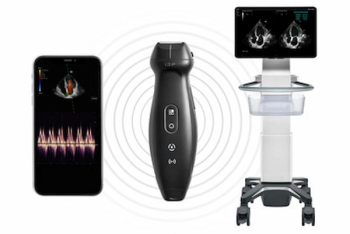
The TE Air is reportedly the first handheld ultrasound device to offer dual connectivity to mobile devices or touch-based ultrasound systems.
Catch up on the top AI-related news and research from the past month.

Featuring sector and linear arrays, the FDA-cleared Vscan Air SL ultrasound device reportedly enables cardiac and vascular assessments at the point of care.

The De Novo approval for Viz HCM, which assesses electrocardiograms with artificial intelligence (AI) to identify possible cases of hypertrophic cardiomyopathy (HCM), is the 12th FDA clearance of algorithms on the Viz.ai Platform.
Catch up on the top radiology content of the past week.
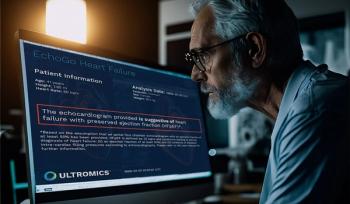
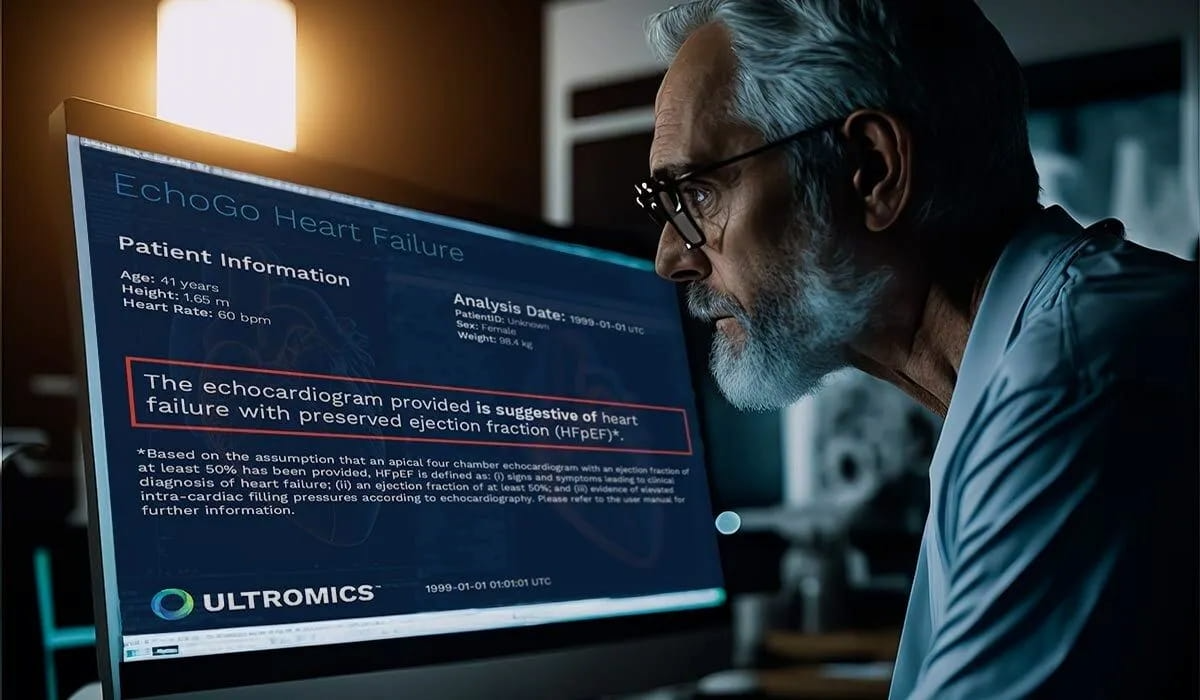
In what may represent the first CMS approval of a new technology add-on payment (NTAP) for an artificial intelligence (AI)-based heart failure detection platform, use of the EchoGo Heart Failure system will be eligible for up to $1,023.75 in NTAP reimbursement per acute hospital in-patient stay as of October 1, 2023.
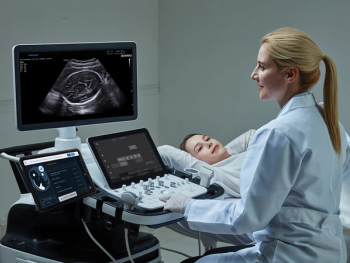
With reported performance validation on over 17,000 ultrasound images, Sonio Detect employs artificial intelligence (AI) to help ensure quality criteria for fetal ultrasound imaging of the brain and heart.
Catch up on the top AI-related news and research from the past month.
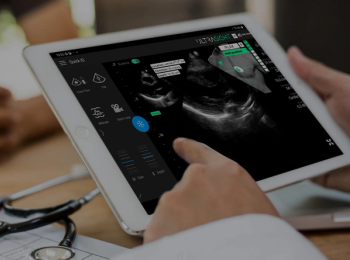
Indicated for use in two-dimensional transthoracic echocardiography (2D-TTE) in adults, the AI Guidance software reportedly enables novice ultrasound users to obtain real-time cardiac imaging at the point of care.
Catch up on the top radiology content of the past week.
Catch up on the top radiology content of the past week.
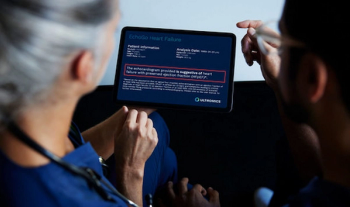
An artificial intelligence (AI)-enabled platform that can reportedly diagnose heart failure with preserved ejection fraction (HFpEF) through analysis of a single echocardiogram view, the EchoGo Heart Failure now has a HCPCS code for use of the technology in outpatient settings for Medicare beneficiaries.
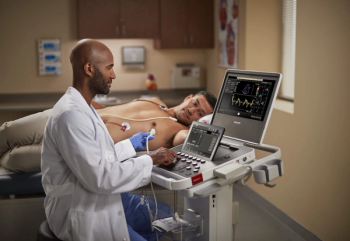
The new portable ultrasound device, which is being showcased at the American Society of Echocardiography (ASE) conference, offers enhanced cardiac imaging as well as shared transducer interoperability and workflows with existing EPIQ CVx and Affiniti CVx ultrasound systems.
Catch up on the top radiology content of the past week.
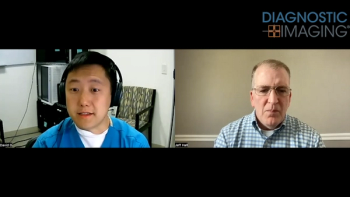
In a recent video interview, David Ouyang, M.D., shared insights from two recent studies he co-authored on the use of artificial intelligence (AI) to improve initial assessment of left ventricular ejection fraction (LVEF) on echocardiography and ascertain cardiac risks associated with changes in the left ventricle sphericity index seen on magnetic resonance imaging (MRI).
Catch up on the top radiology content of the past week.
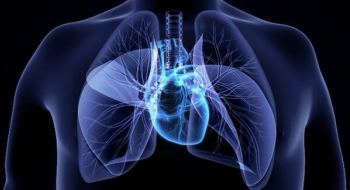
The artificial intelligence (AI)-powered EchoGo Amyloidosis can reportedly detect cardiac amyloidosis by assessing a single echocardiogram.
Catch up on the top AI-related news and research from the past month.

Lamenting a lack of control over imaging requests from referring clinicians, this author suggests that a more collaborative approach between referrers and radiologists may facilitate more efficient use of imaging.
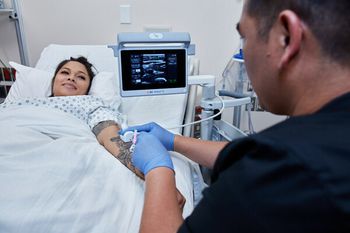
The BD Prevue™ II Peripheral Vascular Access System reportedly offers real-time needle depth markers that may reduce multiple needlestick attempts and allow easier placement of intravenous (IV) access in high-risk patients.
Catch up on the top radiology content of the past week.
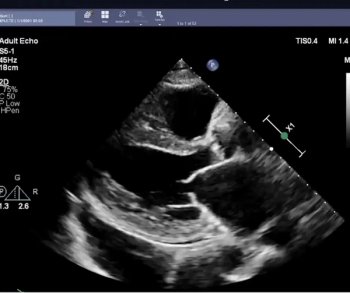
Based on a review of 3,495 echocardiographic studies to evaluate left ventricular ejection fraction (LVEF), researchers found that cardiologists changed initial artificial intelligence (AI) assessment 16.8 percent of the time and initial sonographer assessment 27.2 percent of the time.