Commentary|Videos|April 21, 2026

Interventional Radiology in Focus: Current Insights on Addressing Post-Thrombotic Syndrome in Patients with Deep Vein Thrombosis

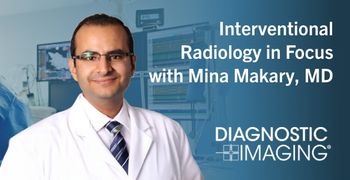
In the latest episode of his “Interventional Radiology in Focus” series, Mina Makary, MD, discusses emerging research and practical pearls for addressing post-thrombotic syndrome in patients with deep vein thrombosis.

More than 50 percent of patients with deep vein thrombosis (DVT) will develop post-thrombotic syndrome (PTS) where the vein scars down and they end up with venous obstruction, veno-occlusive disease, swelling, redness, stasis, ulcers and venous pathology. This is a major issue because it is associated with a high degree of morbidity and disability over a decade after the DVT development.

Traditionally, patients with DVT would receive anticoagulation but unfortunately, once the collagen deposition forms and the fibrin rich matrix resolves, anticoagulation or even lytics cannot really break it down so those patients didn't really have much of an option other than compression stockings, medical management and supportive care.

However, advances in interventional radiology with recanalization techniques to open up new veins, reconstruction to build new veins, and stenting have really established flow for these patients and give them hope to improve outcomes.

Building upon previous data from the ATTRACT trial showing less severity of post-thrombotic syndrome in patients with acute proximal DVT that received intervention, very recently, C-TRACT data was published in the New England Journal of Medicine showing improved outcomes in patients with chronic DVT, those patients where the veins scarred down and they have occlusions. We can reduce the degree and incidence of post-thrombotic syndrome for those patients and have a major impact on their quality of life and their prognosis.


We've actually been offering these interventions at my institution for the past decade, and we've had improved and significant outcomes, whether we do reconstruction or use different techniques to cross lesions. All of these options require a whole host of technologies, including different catheters and needles and sharp techniques.

(Editor’s note: For related content, see “The Reading Room Podcast: IR Study Shows Benefits of Endovascular Therapy for Reducing Severity of Post-Thrombotic Syndrome,” “Can Photon-Counting CT Improve Differentiation of Portal Vein Thrombosis?” and “Is Whole Body Imaging Warranted for Thrombocytopenia Caused by a COVID-19 Vaccine?”)

We also can use tools such as intravascular ultrasound (IVUS) to help us understand and visualize the anatomy better. There is data showing that with IVUS, we can have better outcomes because we can characterize the areas better, measure correctly, and understand where to place our stents, for example. I think it also makes the procedure safer.

In terms of pearls, there are several key pearls that I personally learned performing these procedures. One of the main things is that we have to to maintain patency and continued robust flow through the blocked veins once we open them up. It’s important, when we plan these procedures, to get proper access, whether it's below the lesion and central to the lesion, and making sure that we can optimize those inflow veins and the outflow to ensure that the stents and our constructs will stay patent.

There is no consensus on what the optimal blood thinner anticoagulation regimen is but adherence with blood thinners is key to maintaining patency and outcomes. If a patient has post-thrombotic syndrome where he or she is clotting, we will consult hematology and optimize those regimens or understand what the best treatment plan is from a medical therapy standpoint before we do the intervention. It’s very important that we have a close relationship with the patient and with the referring teams to have a comprehensive treatment plan that maintains success, not just at the time of the intervention, but also long term after the treatment.

Dr. Makary is a vascular and interventional radiologist. He is an associate professor of radiology at the Ohio State University Wexler Medical Center.


Latest CME