

If you’ve put in the time and effort, sooner or later you’ll have something coming back to you.
If you’ve put in the time and effort, sooner or later you’ll have something coming back to you.

Work-life balance in healthcare? It's possible (really).

If you allow yourself to adopt an uninformed opinion, you’ll be resistant to facts that undermine it if/when they come your way.

Our professional 'peak' is always transforming--and that's a good thing.

Maybe it’s my psych degree talking, but it seems to me that punishing someone every time they come back from vacation is not a great way to make them feel good about the job to which they’re returning.
Standing up for what you think is right (or ridiculous) isn’t always easy--or necessary.

Finding time away for rads can be complicated – but, it’s necessary.
Rely on facts rather than persuasion when dealing with fairness.

How radiology professionals can help medically underserved communities at home and abroad.
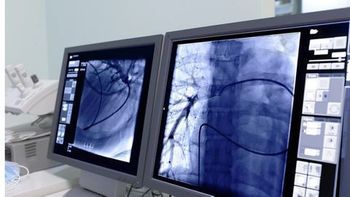
Think long-term when considering teleradiology hires.

Better understanding of blood flow means better treatment for patients.

Sometimes letting your work speak for itself is best.

Being outside the standard deviation isn’t always a bad thing.

Success in radiology comes with these three characteristics.
Being open to the positives in your daily life will actively decrease the negatives you see.

A provider’s first-person encounter with the specialty as a patient.
Radiology could benefit from actions that support and encourage productivity.

The benefits of – and opportunities for – a slower reader.

How one health system is doing it.

Radiologists are well positioned – and have a responsibility – to help teams identify uses for technology in patient care.

Overall, radiology is filled with safe assumptions that allow providers to conduct daily work.
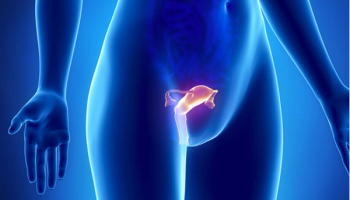
The need for a growing role for interventional radiologists.

Providing something productive to focus on can help side-step unwanted attention.

A look at the insights and financial benefit provided by radiomics.
What do these advancements bring to imaging departments?

What does it take to stand out from your crowd of peers?
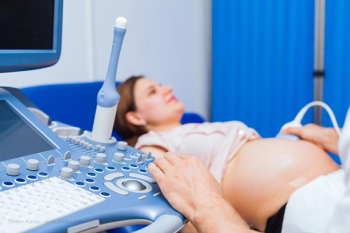
Digital access for imaging goes a long way toward making patients happy.

The potential impetus behind wanting to take the reins of leadership.
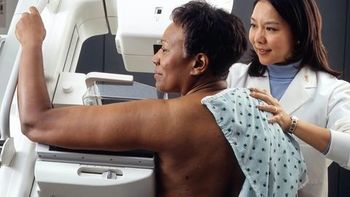
An effective strategy requires participation by public health advocates, legislators, providers, vendors, and the media.
Move would support patients and encourage innovation.