
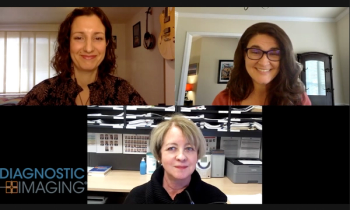
On National Women Physicians Day, RadPartners will host a webinar to discuss how healthcare can move toward a more diverse, inclusive culture.
On National Women Physicians Day, RadPartners will host a webinar to discuss how healthcare can move toward a more diverse, inclusive culture.
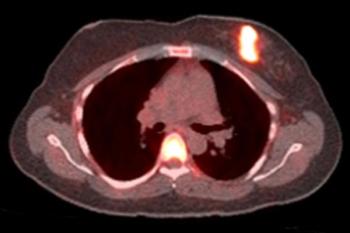
Hormone therapy is only effective in roughly half of estrogen receptor-positive cancers. Being able to identify patients that will not respond could save valuable treatment time.
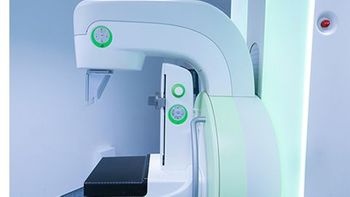
Is it possible for organizations to strike the right balance between technology adoption and controlling cost to meet current needs?
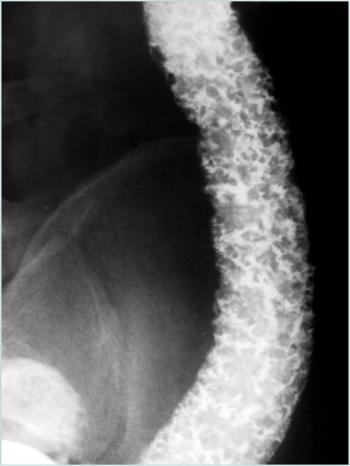
Can you diagnose this patient with bloody stool?
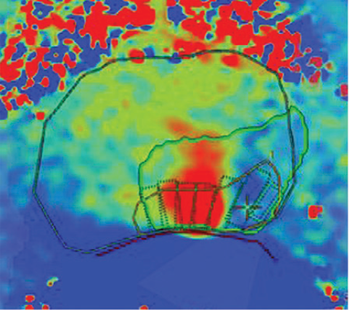
Men with intermediate-risk prostate cancer can be successfully treated with MRI-guided high-intensity focused ultrasound without experiencing incontinence or erectile dysfunction.
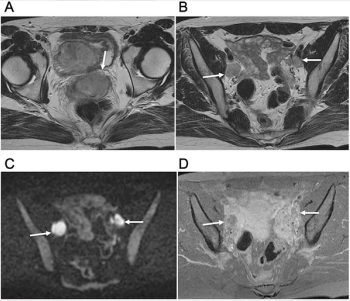
Prognosis for these patients is poor, but MRI can help providers reliably stage their disease.
Research data reveals using LDCT with patients who have never smoked – but who are still at high risk – is effective for lung cancer screening.

Here's what to expect this week on Diagnostic Imaging.

Sometimes the starting point for negotiations can be completely outside the anticipated ball park.
Info sharing is here to stay.

The latest social media networking platform offers greater opportunities for radiology.
Perivascular Spaces & Dementia; COVID-19 Loss of Smell and Taste; NAFLD & Multi-parametric CT; Plus, Point-of-Care Ultrasound in the Pandemic Era

Across X-ray, CT, ultrasound, and MRI, as well as insurance types, African American and Hispanic children get fewer tests than white children.

When deciding whether to continue screening mammography with older breast cancer survivors, consider life expectancy, experts said.
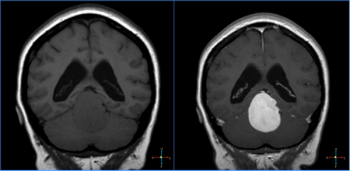
Can you diagnose this patient with dizziness?

Six-month follow-up CT scans show lingering fibrotic-like feature in more than one-third of recovered patients.
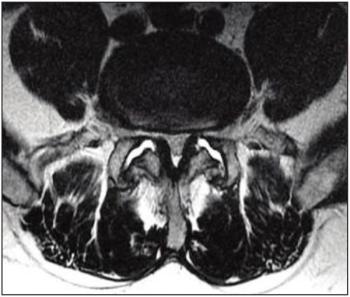
Pairing patient-reported data about pain symptoms with an MRI image can lead to better identification of pain’s origin.
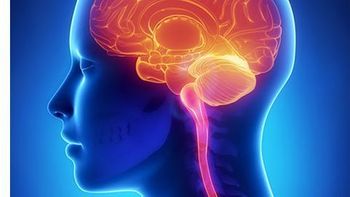
Large numbers of perivascular spaces seen in the brain are more commonly found in patients who go on to develop cognitive problems or dementia.
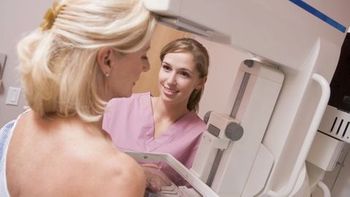
A focus on more comprehensive, up-to-date research and inclusion of racial disparities data will lead to more appropriate mammography screening guidelines, experts say.

Portfolio includes 2D- and 3D-products for general and sub-specialty radiology.

Registering all manufacturer repair service providers -- including third parties -- with the FDA could go a long way to reducing patient follow-up imaging fears.
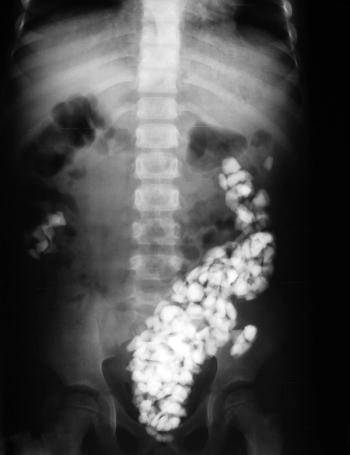
Can you diagnose this patient?
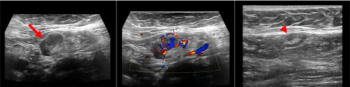
With more axillary adenopathies likely to present on breast imaging, Society of Breast Imaging experts offer guidance for best management during the pandemic.
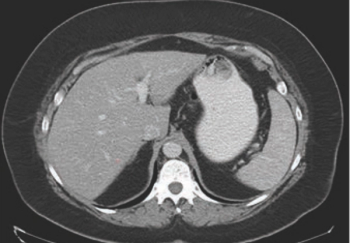
CT can provide faster, easier-to-capture evidence of non-alcoholic fatty liver disease than MRI or ultrasound elastography.
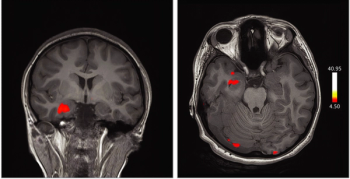
Images captured with fMRI in a case study reveal the role of the orbitofrontal cortex in patients infected with the virus who experience anosmia and ageusia.
What could happen if the subject of discussion is a widely used radiology exam?
Here's what to expect this week on Diagnostic Imaging.
Whole-body MRI was able to detect more lesions and identify more patients for earlier treatment.
A combination of artificial intelligence and Lung-RADS can increase scan specificity without reducing sensitivity
COVID-19 Vaccine Adenopathies Mimic Breast Malignancies; Appendicitis, CT Exposure and Increased Cancer Risk; and MRI AI Tool for Prostate Cancer Recurrence Prediction