In the second of a two-part podcast episode, Kalpana Kanal, PhD, and Mahadevappa Mahesh, PhD, discussed the possible impact of new research showing significant declines in CT radiation dosing over the past decade, future research directions and the potential for indication-based diagnostic reference levels (DRLs) in the future.
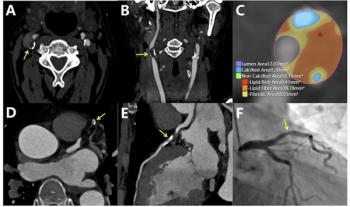
Greater calcified plaque volume, quantified with AI assessment of carotid CTA, was associated with more than double the likelihood of obstructive coronary artery disease (OCAD), according to newly published research.
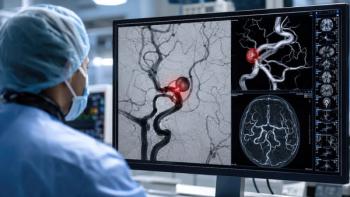
Uptunity | Aneurysm reportedly identifies suspected saccular brain aneurysms larger than 3 mm on head CTA and provides quantitative comparison between exams to assess changes in known aneurysms over time.
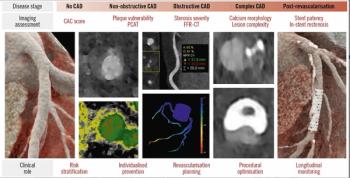
Through enhanced insights into atherosclerotic disease, complex coronary lesions and coronary stents, photon-counting CT provides an anatomical roadmap that may improve outcomes for interventional procedures.
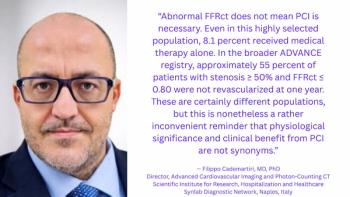
While the P4 trial represents a landmark study on the use of CCTA guidance for percutaneous coronary intervention (PCI), there are pertinent caveats that warrant closer inspection.
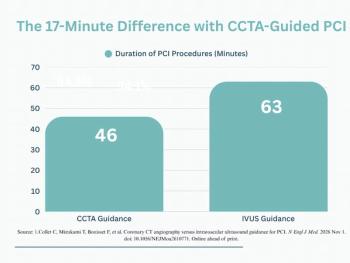
New research suggests CCTA may provide salient preoperative insights into planning for percutaneous coronary intervention (PCI) while facilitating similar outcomes as intravascular ultrasound guidance for target-vessel failure.