
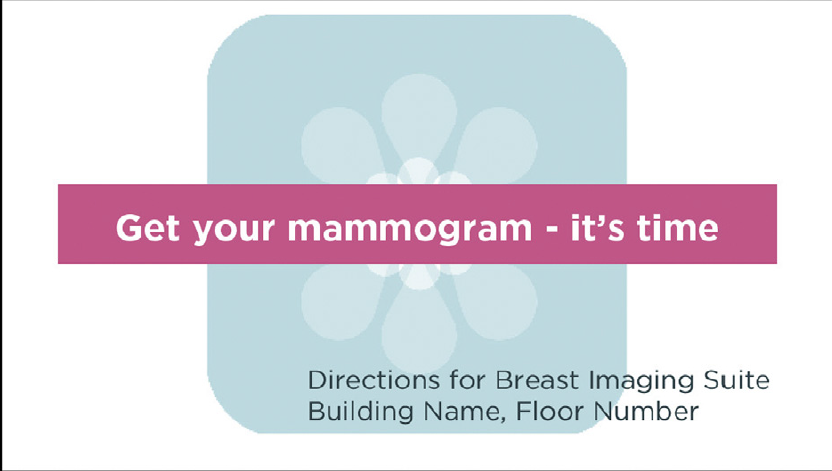












Improving the readability of mammography recall letters prompted a nearly two-fold increase in the likelihood women will return for subsequent imaging.
Improving the readability of mammography recall letters prompted a nearly two-fold increase in the likelihood women will return for subsequent imaging.

Almost all studies and modalities have seen significant declines in payment since 2007.
Digital breast tomosynthesis improves cancer detection rates and reduces recalls, but not for all women.
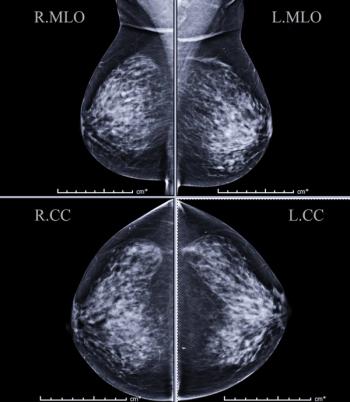
Solution helps radiologists prioritize and identify suspicious mammograms.
University Hospitals Cleveland Medical Center/Case Western Reserve saw a 55-percent overall imaging volume drop during the pandemic and unearthed some commonalities with other, harder-hit areas.
From February to April 2020, outpatient imaging in rural areas fell 66 percent.

Artificial intelligence tool designed to improve radiologist cancer detection performance.
Diagnostic Imaging's Weekly Scan; July 10, 2020

Incorporating this imaging catches 11 percent more cancers, potentially affecting surgery plans and outcomes.

Annual MRI screening – with or without mammography – can prevent at least 50 percent of early deaths.
Breast cancers identified between patient screenings are more aggressive and lethal.
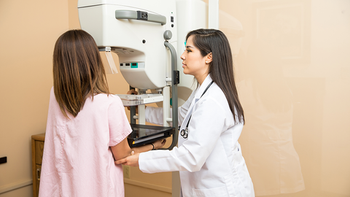
Patients rate mammogram reports with annotations as easier to comprehend.
Diagnostic Imaging's Weekly Scan: June 19, 2020
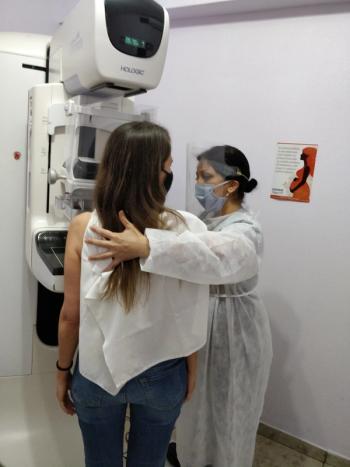
Three facilities share what is working best as they begin to screen more patients.
Diagnostic Imaging's Weekly Scan: June 12, 2020
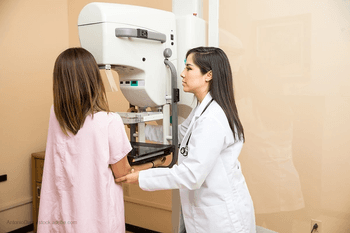
More than 75 percent of breast imaging environments are close to re-capturing pre-pandemic imaging volumes.
Diagnostic Imaging's Weekly Scan: May 22, 2020
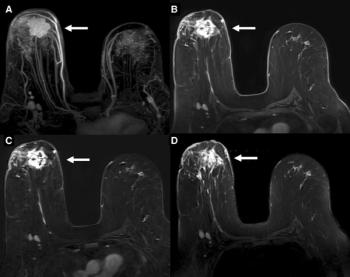
Diagnostic Imaging talks with Laura Heacock, M.D., from NYU Langone Health about what’s keeping abbreviated MRI from wider implementation.
Existing protocol to re-assess women after six months is appropriate; imaging can identify cancers that have spread to lymph nodes.
Study finds risk reduction attributed to screening efforts, not advanced therapies.
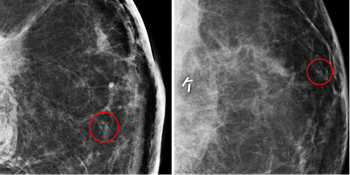
Research provides evidence for imaging mastectomy site during opposite-breast cancer screening.

Radiologists can use online videos as a way to correct inaccurate breast cancer screening messages.
From detecting breast density and reducing image file sizes to improving cancer detection and creating new risk models, AI is significantly impacting breast imaging.
With more details about benefits and harms of annual screening, fewer women opt for the study.
Eight recommendations released for imaging women post-mastectomy and breast reconstruction.