













Case History: 40-year-old female presented with history of epigastric fullness associated with epigastric and left flank pain and burning micturition.
Case History: 40-year-old female presented with history of epigastric fullness associated with epigastric and left flank pain and burning micturition.
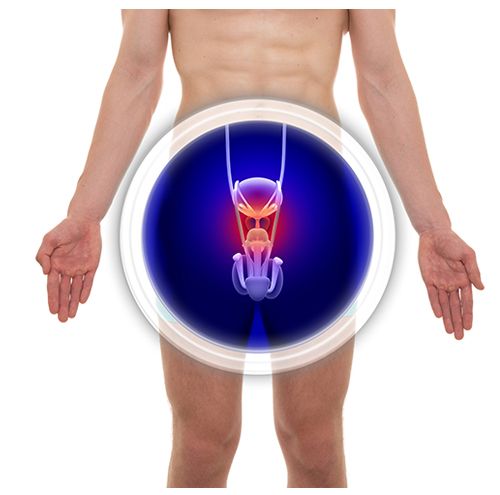
Using MRI to monitor men under active surveillance for prostate cancer may help detect measurable growth.

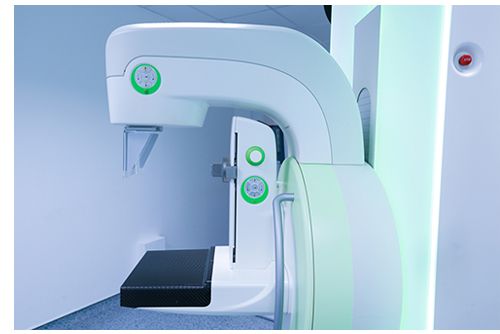
Using breast MR imaging among women with ductal carcinoma in situ provides better depiction of invasive breast cancers.

Case History: 24-year-old male with enlarged cervical lymph nodes associated with weight loss and fever.

Shoulder MRI reports preferable when provided in a structured report format.

Breast MRI in pregnancy-associated breast cancer may change the surgical management of patients.
Case History: 8-year-old male with neck pain and right upper limb weakness for two months.
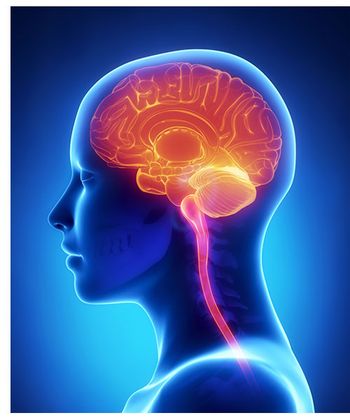
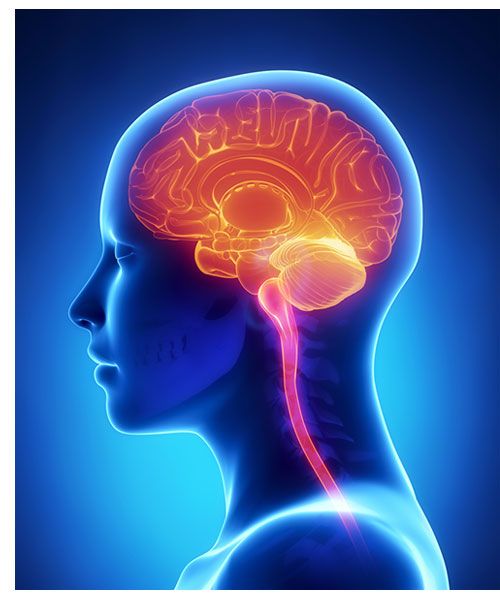
Magnetic resonance elastography shows that locations of brain stiffening differ in common dementia types.
PI-RADSv2 reduces understaging of prostate cancer, but could increase risk of overstaging.

Case History: 60-year-old female presented with postmenopausal bleeding and pelvic pain.

MRI detects brain serotonin levels in patients with mild cognitive decline from Alzheimer’s disease.

Case History: 56-year-old man presents with progressive weakness in lower limbs for four to five years

Enhanced MR imaging versus CT in assessment of disappearing colorectal metastases.
Magnetic resonance measurement of luminal water in prostate gland in detection and grading of cancer.

Combined MRI can help physicians track cognitive impairment among professional fighters.
More children require anesthesia before MRI, increasing costs.

The first choice for imaging adult patients with suspected appendicitis varies according to patient demographics and resource availability.
CAD-measured peak enhancement at preoperative MRI of women with primary operable breast cancer and outcomes.
Review of MRI in the emergency department compared rates of MS as differential diagnosis and final diagnosis.

Case History: 50-year-old patient with ovarian cancer and total abdominal hysterectomy presented with urinary incontinence.
Including contrast MR imaging can help physicians differentiate between perforated and non-perforated appendicitis.
Annual MRI screening and cancer detection among women under 50 who had breast conservation therapy following breast cancer.

Traces of gadolinium used for MR imaging can be found years later, even in pathologically normal brain tissue.
MRI without contrast or sedation for diagnosing appendicitis in children.

Case History: 28-year-old male presents with history of headaches.