





Patients who have their disease detected with low-dose CT have a half-fold risk of brain metastasis than patients screened with other methods.
Patients who have their disease detected with low-dose CT have a half-fold risk of brain metastasis than patients screened with other methods.
Homeless patients suffering from seizures undergo more CT scans, largely due to lack of access to chronic care, leading to a higher radiation dose and cancer risk.
CT scans show patients infected with the virus who are intubated or who experience fever have lower gray matter volume in the frontal-temporal lobe.

BU99008 traces reactive astrogliosis, a marker that provides early, rapid Alzheimer’s detection.

What is this seen post bypass surgery along the aorta?
Study finds clinically significant percentage of patients with metastatic renal cell carcinoma develop asymptomatic brain metastases.
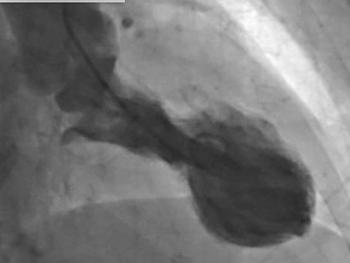
Increased stress-related brain activity in the amygdala can increase a patient's risk for Takotsubo syndrome.
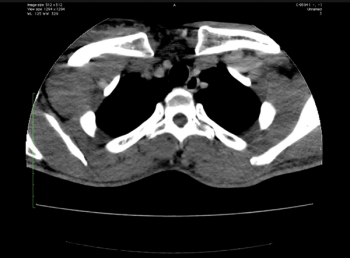
What is your diagnosis for a patient who presents with increasing size of neck and shoulder region?
These radiopharmaceuticals are less expensive, and they offer longer half-lives.
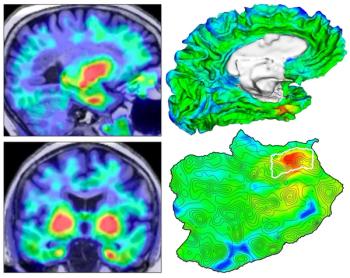
Identification of tau’s point of origin can potentially lead to improved treatments and intervention design.

Here's what to expect this week on Diagnostic Imaging.
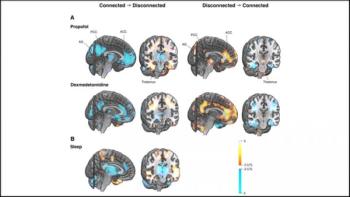
PET scans show activity of the brain network that is linked to changes in connectedness.
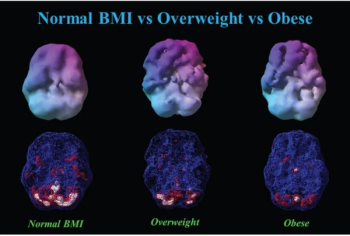
Thanks to COVID-19, CT was largely in the spotlight this year, but these Top 5 stories show advancements for the modality in other areas, as well.
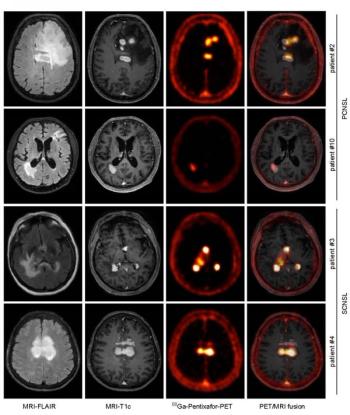
68Ga-pentixafor can clearly distinguish between healthy and malignant tissue on both CT and MRI scans.
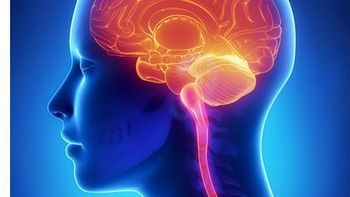
American College of Radiology/Alzheimer’s Association study is now recruiting African American and Latino patients to determine whether amyloid PET scans can help with more accurate diagnosis and treatment decisions.
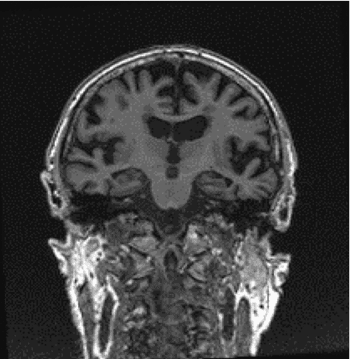
Novel deep learning model can provide needed information from multi-modal imaging even when some modalities are absent.
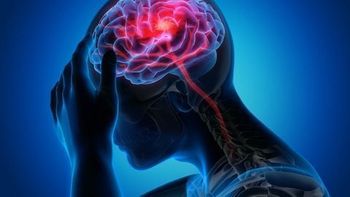
The mechanisms, magnitude, manifestations, and management of stroke during the pandemic.
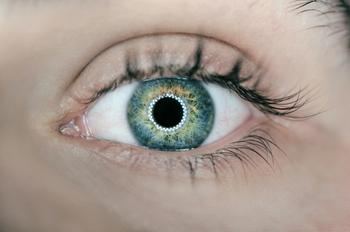
Basic photographs paired with AI technique can pick up on retinal changes that are early signs of the progressive central nervous system disorder.
Approximately half of all patients who experience stroke, brain bleeds, or blocked blood vessels, identified on MRI or head CT in this study, had high blood pressure or type 2 diabetes.
Cerebral Aneurysms and CT Angiography; MammoScreen and Breast Cancer Detection; Low-Dose Lung Cancer Screening Program Performance; and Breast Cancer Screening Advocacy Efforts
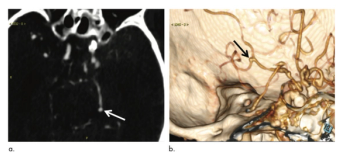
Deep learning tool improves cerebral aneurysm detection, specifically among radiologists with fewer years’ experience.
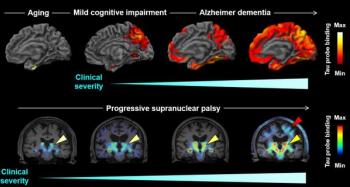
Modifying an existing imaging probe and labeling it with fluorine-18 improves providers’ ability to pinpoint protein accumulation – and differentiate between neurodegenerative conditions.
The scan, which is already part of the stroke management process, offers an opportunity for faster identification of patients with viral infection.

Here's what to expect this week on Diagnostic Imaging.
Opposition to AI in Mammography; Alzheimer's Disease and Vascular Dysfunction; Clear & Present Danger for The Match; Trends & Innovations in Breast Imaging