




Point-of-care, 64mT MRI performs as well as conventional CT and MRI while improving patient safety.
Point-of-care, 64mT MRI performs as well as conventional CT and MRI while improving patient safety.

PET/CT brain scans of the enzyme aromatase could help providers pinpoint which patients will struggle with obesity and self-regulation.
Cerebral infarction and hemorrhage are more common in severe cases while cranial nerve abnormalities affect patients with milder disease.
The company has captured 510(k) clearance for artificial intelligence-based software that facilitates brain and prostate image interpretations.
Abbreviated MRI; Low-Field Cardiac MRI; Contrast-Enhanced Breast Imaging; Obesity and Alzheimer's; and Neuroimaging and COVID-19
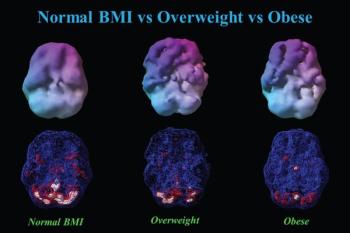
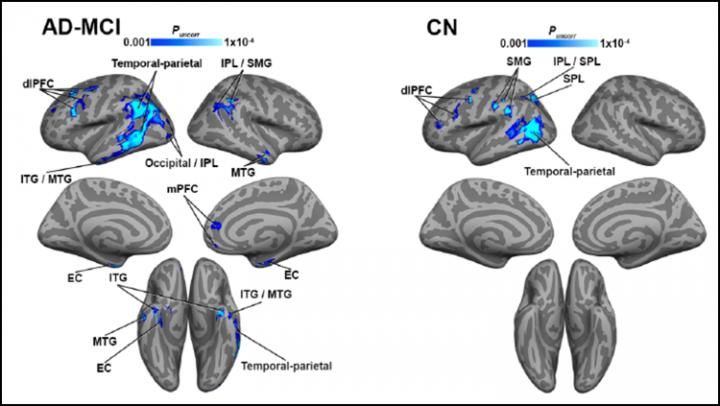
Brain imaging shows blood flow to the brain progressively reduces as a person’s weight increases, promoting the development of Alzheimer's.

Emergency providers are utilizing more ultrasound and MRI scans, fewer CTs.
Clinicians should adopt a lower threshold for evaluating patients for stroke and providing care.
Avicenna.AI’s CINA Head earns 510(k) clearance for emergency room triage of intracranial hemorrhages and large vessel occlusions.
Rapid ASPECTS receives clearance as first neuroimaging analysis device in computer-aided diagnostic category.
510(k) clearance applies to four critical abnormalities; two are exclusive to Qure.ai’s product.
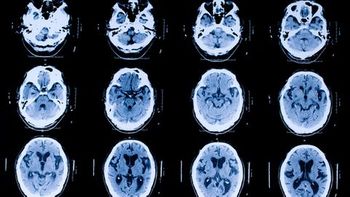
After adjusting for traditional vascular risk factors, radiologists encourage aggressive monitoring of COVID-19 patients for blood flow changes to the brain.
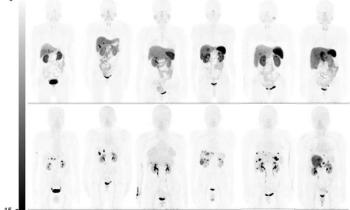
Newly created peptide antagonist outperforms standard agonist imaging agent in head-to-head comparison.
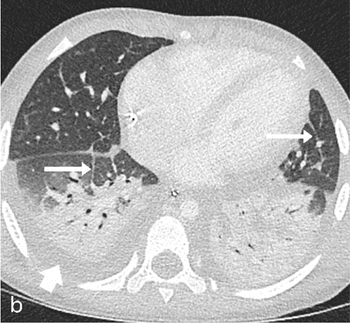
Multisystem Inflammatory Syndrome in Children appearing in pediatric patients with COVID-19 infection and exposure.
Diagnostic Imaging's Weekly Scan: June 5, 2020
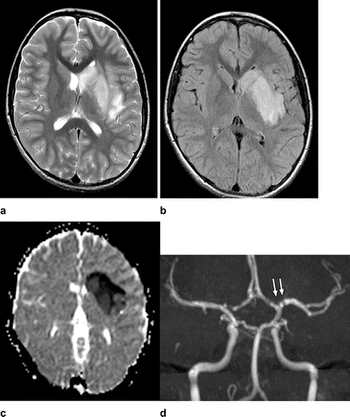
Iranian researchers diagnosed ischemic stroke in COVID-19-positive child with no other symptoms.
Half of patients hospitalized who have neurological findings for acute stroke could die.
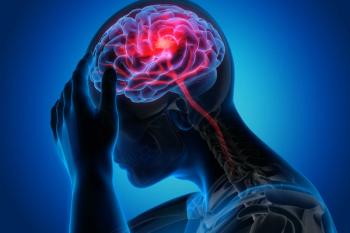
Concentration on virus-related scans largely sidelines other imaging needs.
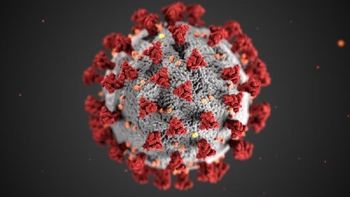
Yale neurologist share first-hand experience with scanning patients positive for the virus.
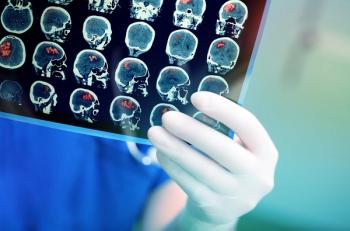
Bedside MRI could offer stroke patients a safer alternative to conventional MRI.
American Headache Society published recommendations for when neuroimaging is most beneficial
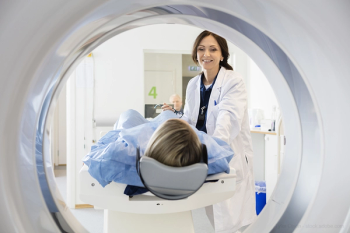
When used together, non-contrast simple CT and CT perfusion have higher prediction rates
Edema visualization improves detection of early infarcts.
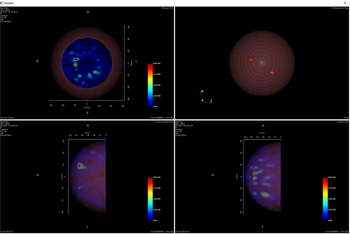
ECR 2018: Electromagnetic microwaves bring much-needed new weaponry to the arsenal of breast and stroke imaging.

MRI shows brain changes in children with PTSD.