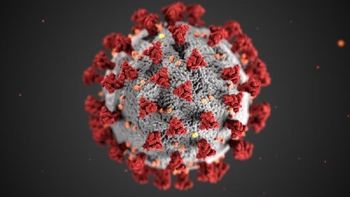
Starting to prepare for the return to normalcy now can help you manage a heavy workload in the near future.
Starting to prepare for the return to normalcy now can help you manage a heavy workload in the near future.
Technology for distance reading allows radiologists to remain productive during the outbreak – and it could help shape the future of the industry.
The viral outbreak presents new challenges and tests of conscience.
Departments and practices must be prepared for the impending influx of imaging.
Getting back into the swing – with exercise or image reading – will likely be tough after COVID-19.
Diagnostic Imaging's Week in Review, April 16, 2020
Less imaging volume leaves radiologists with more down time.
University of Washington saw America’s first COVID-19 cases, reaching the state’s peak on April 2. Radiology leaders share their measures to financially protect their department and the lessons they have learned.
Re-purposing providers without recent hands-on clinical experience.
Diagnostic Imaging's Week in Review: April 10, 2020.

Real world guidance to protect both you and your patients.
With working hours cut and imaging volume down, how do you fill the day?

Radiology must have a plan for implementing the growing number of AI algorithms.
Not every radiologist is being overwhelmed by virus-related workloads.

Resisting burning remains critical, especially during the COVID-19 pandemic.
Radiology can learn from aviation industry AI failures.

Robb lead GE through significant medical imaging advancements.

Teleradiology may already be maxxed out.
Thoughts on the impact on COVID-19 on imaging.
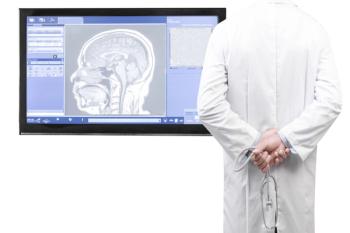
Being persnickety about imaging-technique prefereces could lead to image-quality improvement.

In this new series, we explore the life radiologists lead outside the reading room.
Early career might not be the best time for a teleradiology position.
Collaborative Imaging’s Dhruv Chopra explains how to overcome one of radiology’s biggest hurdles
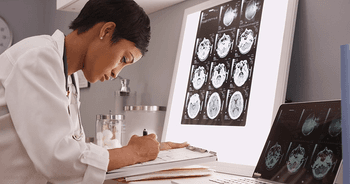
Making a diagnostic discovery can feel like catching an elusive glimpse while whale-watching.
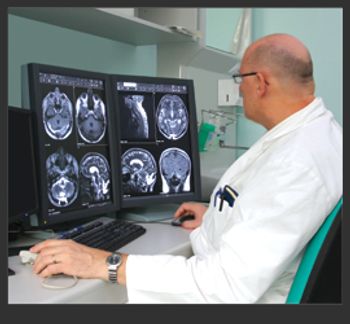
When even power outages can’t dampen the self-created expectation for productivity.

Embracing cloud-based image exchange can open several beneficial doors for your practice.
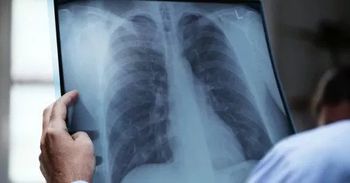
Do radiologists really want the responsibility of reading all X-rays?
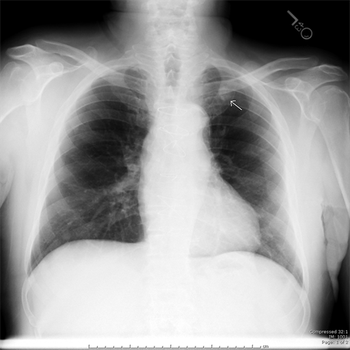
Repeated calls for nodule follow-up can feel like spinning your wheels.

Stick to your strenghts to safeguard -- and increase -- your slice of the pie.
The rhyme-and-reason -- or lack thereof -- of bonuses.