

Why it always helps to put things into perspective.
Why it always helps to put things into perspective.

Sooner or later, you’ll deal with an antagonizing co-worker. How do you assert yourself well?
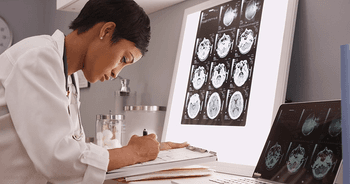
From opinions on the value of multiple reads to new AI findings, the latest Radiology news you can’t miss.
Finding the position that’s right for you can be complicated. Here, experts break down what you need to find that perfect radiology position.

Expectations-both for yourself and your work environment-play a huge role in radiology.

The shift to value-based care may be slower than anticipated, but it’s going to drastically change radiology.

Good patient interaction can be tough to master, but it’s a vital skill for radiologists.

Just because you’re busy doesn’t mean you can’t be bored.

Radiology has never been busier-and it's only going to get worse. Here are real-world tips from departments on how you can more done in the same amount of time.

The rad job market is cyclical-and where you got in can make all the difference.
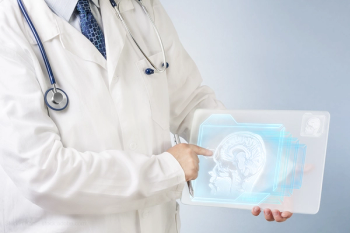
What will radiology look like in 2029? We asked the experts about the future skills and technologies you will need to succeed.
The areas rads should be keeping an eye on this year: from AI to liquid biopsy, you’ll be seeing a lot more of these technologies in the near future.
Is there a way to add a little more sincerity to the day-to-day?

When you come to the job negotiation table, do you have all your facts in front of you?

Everything is limited-including radiology resources.
It can be easy to feel small in the middle of big healthcare problems when you lack resources. Here's how rural practices are coping with shortages.
When you look back on your career, do you take the time to focus on the lesson learned?

When did it become okay for clinical histories to be entirely unhelpful?
From increased workloads to isolation, rads have a lot of reasons to feel burned out. Here’s what you can do to change that.
From value-based care to patient interaction, experts discuss how radiology will be shaped throughout the year.
How long does it take for old habits to die?

We asked a group of experts from around the radiology industry what they're hoping 2019 will bring.
Someone in a group should probably be worried, but who's the best person for the job?

Today’s consumers are more demanding than ever, but it isn’t hard to help them feel more comfortable.

Missed appointments can have serious consequences for patient outcomes-and for your bottom line. Here are some strategies for reducing the number of no-shows.

Radiology-and healthcare as a whole-has a trust problem, but blockchain could be the answer.

The theme of this year’s show was AI-but what does that mean?

Radiology applications demonstrate impact of cloud for improving efficiency, reducing costs and enhancing security.

Radiologic reports with deep learning algorithm provide improved cerebral aneurysm detection.

Voice-rec software was supposed to improve over time, but has it actually learned anything?