

Cardiac stress tests and exposure to radioactivity may not be needed for assessment of CAD.
Cardiac stress tests and exposure to radioactivity may not be needed for assessment of CAD.
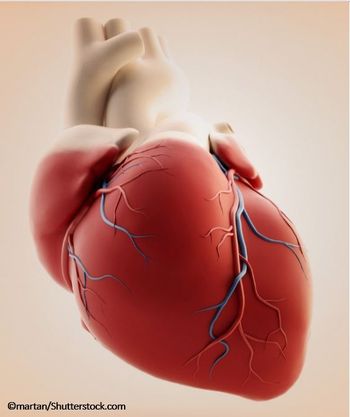
Computed tomography method compares well in detecting and localizing scarring in patients with heart failure.

With a hot market for radiology jobs, here's what to consider before making the leap to a new position.

Higher cerebrospinal fluid gadolinium concentrations were detected within the first eight hours after gadolinium-based contrast agent administration.

Despite recommendations, shared decision-making for lung cancer screening in practice may be far from what is intended by guidelines.
Older age, multiple traumas lead to missed injuries on whole-body CT.
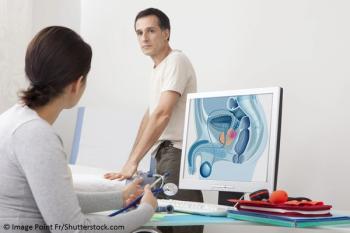
Despite undergoing more imaging outside the VA system, men with low-risk prostate cancer don’t show an improvement in care quality.

Better to leave an old job – and boss – as friends than enemies

Provide better patient care and improved provider relationships.
Know your audience to maximize your value.

More research needed to evaluate the role of communication in completing the breast cancer screening episode.

The number of patients who underwent daily chest radiographs was associated with the hospital where they received care.
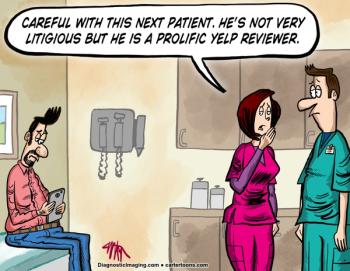
Malpractice claims may be the least of your worries.
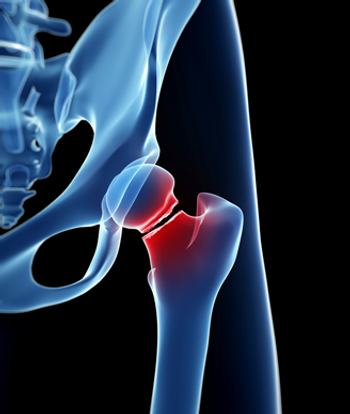
Models may help improve short-term understanding of complex anatomy and classification systems.
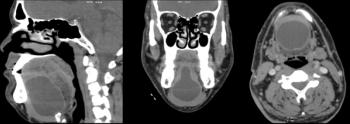
Can you properly diagnose this 16-year-old?

18F-FDG PET/CT examination procedures may be optimized with improved patient information and care.

Clarity in recommendations leads to a malignant diagnosis in a substantial number of cases.
Cardiac training among radiologists should be encouraged.
A hot radiology job market may make this the time for professional change.
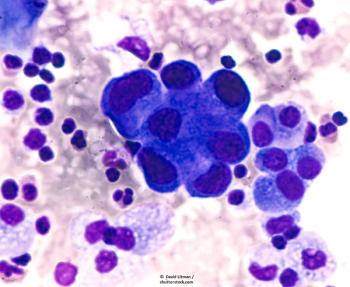
Thorough prescreening evaluation is one critical element for a safe and successful lung cancer screening program.
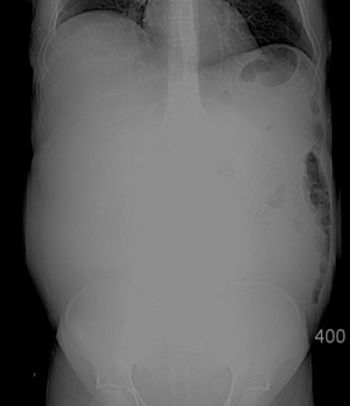
Can you properly diagnose this 45-year old?

DTI imaging shows women are more sensitive to these types of head impacts at the level of brain tissue microstructure.

Radiology practices with collaborative, consensus-based decision-making and conflict resolution processes can lead to greater standardization.
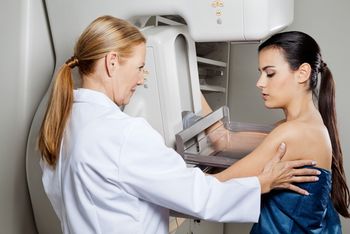
Underrepresentation is highly variable at state, county, and practice levels.
Turn-around times used to be important just for critical health issues, but have spread to even mundane tasks.

Imaging could potentially decrease biopsies negative for cancer.

The use of synthesized mammography instead of additional full-field digital mammography has no significant effect on biopsy rate.

The only true way to dispel fear and ensure a bright future in radiology is to equip ourselves to lead the future applications of AI.

Interventions targeting radiologist factors may help reduce unwarranted variation in screening recalls.
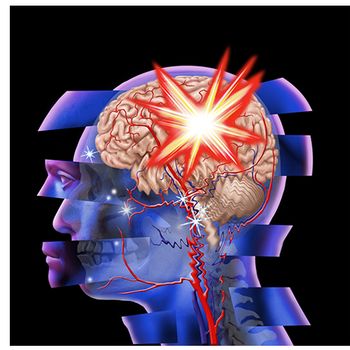
There is no clinical variable that can be used as sole indication for WBCT in pediatric polytrauma patients.