

Catch up on the most well-viewed video interviews from Diagnostic Imaging in January 2025.
Catch up on the most well-viewed video interviews from Diagnostic Imaging in January 2025.
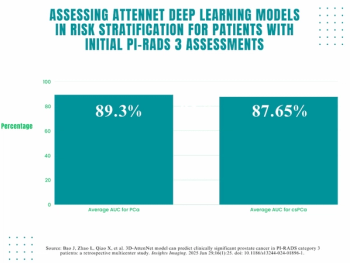
In external validation testing, a deep learning model demonstrated an average AUC of 87.6 percent for detecting clinically significant prostate cancer (csPCA) on prostate MRI for patients with PI-RADS 3 assessments.
Catch up on the most-well viewed radiology content in January 2025.
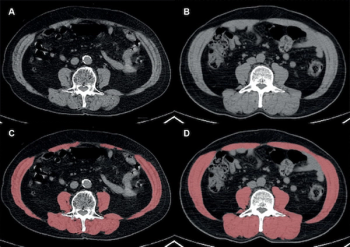
For those without low skeletal muscle mass on CT and myosteatosis, obese patients have a 23 percent lower risk of death than non-obese patients after undergoing curative resection for non-small cell lung cancer, according to newly published research.
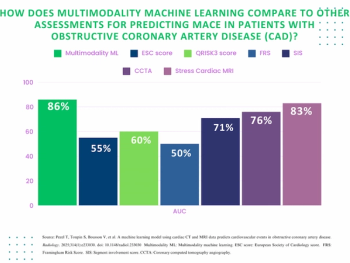
For patients with newly diagnosed obstructive coronary artery disease (CAD), a multimodal machine learning model offered an 86 percent AUC for predicting MACE, which was 10 percent higher than CCTA alone and over 35 percent higher than the Framingham Risk Score.
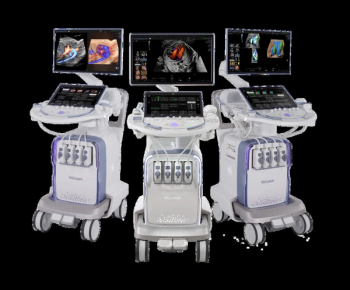
An array of AI-powered features and automated tools may lead to improved workflow and image quality with the Voluson Expert 22, 20 and 18 ultrasound systems.
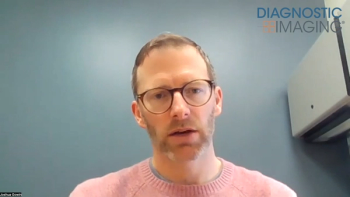
In a recent interview, Joshua Gowin, M.D., discussed emerging brain MRI research that showed a significant association between heavy lifetime use of cannabis and reduced brain activity for working memory tasks in young adults.
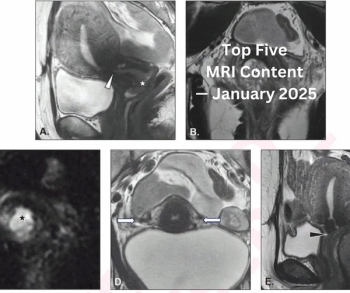
Catch up on the most-well viewed MRI content in January 2025.

Catch up on the top AI-related news and research in radiology over the past month.

While the most challenging cases may feel a bit intimidating, they can be affirming opportunities to test our adaptability and willingness to test our acumen in delivering results for patients.
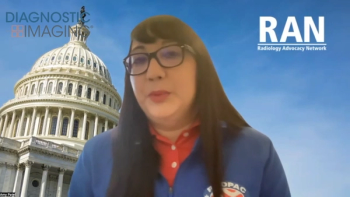
In a recent interview, Amy Patel, M.D., discussed key points of emphasis for legislative advocacy in radiology, including long-term reform in Medicare reimbursement, improved coverage of breast cancer screening and mitigation of the ongoing radiology workforce shortage.
Catch up on the top radiology content of the past week.
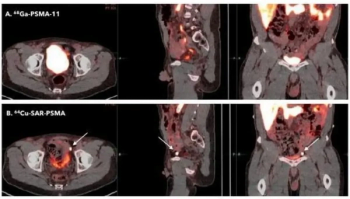
In addition to an August FDA fast track designation for PSMA PET imaging in patients with suspected metastasis, the radiopharmaceutical 64Cu-SAR-bisPSMA has earned another fast track designation for imaging of biochemical recurrence.
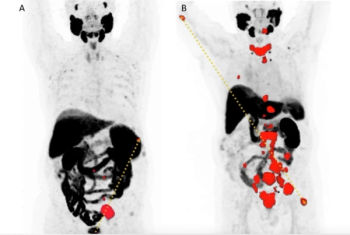
Doubling of total tumor volume on PSMA PET/CT is 41 percent more likely to reduce overall survival in patients with metastatic castration-resistant prostate cancer (mCRPC), according to new research.
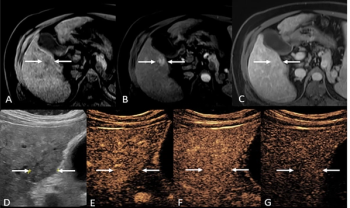
For patients previously assessed with LI-RADS LR-4 and LR-M presentations based on MRI or CT findings, the use of contrast-enhanced ultrasound led to 30 percent of these patients having LR-5 assessments definitive for hepatocellular carcinoma.
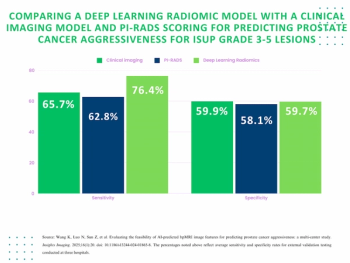
An emerging deep learning radiomics model based on biparametric MRI (bpMRI) offered a 14 to 17 percent higher AUC range than PI-RADS scoring for predicting the aggressiveness of prostate cancer, according to new research findings.
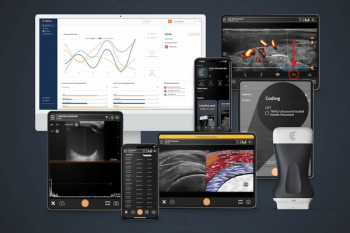
The latest ultrasound software update from Clarius includes new artificial intelligence (AI) capabilities, coding assistance and a variety of advances tailored to different fields of medicine.
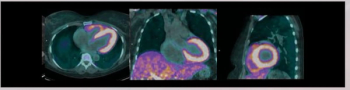
Previously approved for the detection of neuritic beta amyloid plaque, the PET agent (18F)florbetaben is currently being evaluated in a phase 3 multicenter trial for the diagnosis of cardiac amyloidosis.
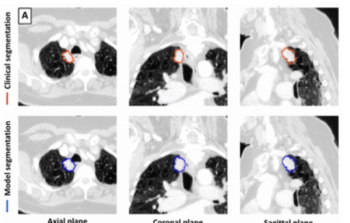
Emerging research suggests that a deep learning model may offer 92 percent sensitivity in lung tumor detection on CT scans and up to a 59 percent reduction in tumor segmentation time.
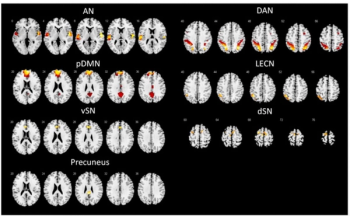
For patients with mild cognitive impairment (MCI), early changes with respect to decreased intra-network connectivity involving the default mode network or salience network may aid in differentiating between the development of Alzheimer’s disease and Parkinson’s disease, according to new MRI research.
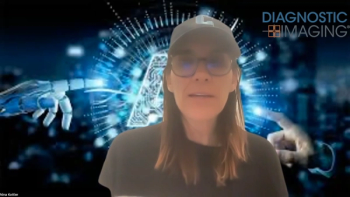
In the second part of a two-part interview, Nina Kottler, M.D., says the transparency emphasis of the recent FDA guidance on AI-enabled software is welcome but needs to go beyond additional documentation to clarify how adjunctive AI is making its decisions.
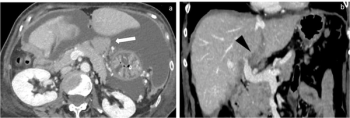
In an update of previous guidelines from the European Society of Urogenital Radiology published in 2010, a 21-expert panel offered consensus recommendations on the utility of CT, MRI and PET-CT in the staging and follow-up imaging for patients with ovarian cancer.
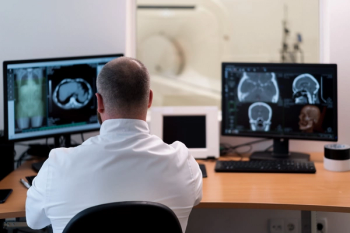
Does experience soften one’s threshold for pushing back against extraneous imaging protocols and other slights in radiology?
Catch up on the top radiology content of the past week.

In the second part of a two-part interview on the recently published appropriate use criteria for brain positron emission tomography (PET) for patients with mild cognitive impairment (MCI), Phillip Kuo, M.D. discusses clinical cases involving the use of amyloid and tau PET imaging.
In order to flip the script on the impact of the radiology workforce shortage, radiology groups and practices need to make sound investments in technologies and leverage partnerships to mitigate gaps in coverage and maximize workflow efficiencies.
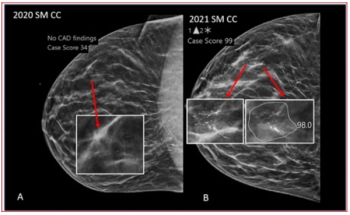
In sequential breast cancer screening with digital breast tomosynthesis (DBT), true positive examinations had more than double the AI case score of true negative examinations and the highest positive AI score changes from previous exams, according to new research.
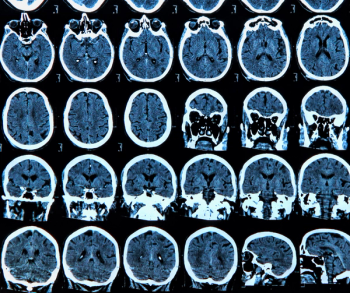
The CDM Insights software, which can be utilized with scans from 1.5T and 3T MRI, reportedly provides new measurements of cortical thickness and brain microstructure.
In the first part of a two-part interview, Nina Kottler, M.D. offers insights and perspective on the recently issued guidance from the FDA on AI-enabled devices and how it may impact developers in the radiology field.
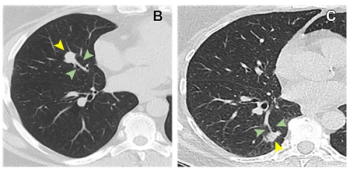
In computed tomography (CT) scans for patients with solid non-small cell lung cancer (NSCLC) < 30 mm, emerging research suggests the lollipop sign is associated with a greater than fourfold likelihood of angiolymphatic invasion.