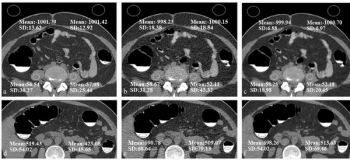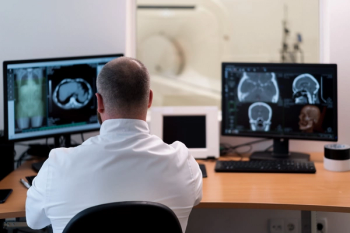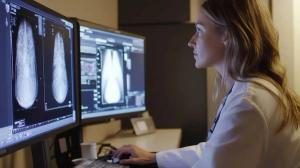
Researchers found the use of deep learning reconstruction for computed tomography colonography (CTC) led to 25 percent higher subjective image quality scoring than iterative image reconstruction at a substantially reduced rate of radiation dosing.

Researchers found the use of deep learning reconstruction for computed tomography colonography (CTC) led to 25 percent higher subjective image quality scoring than iterative image reconstruction at a substantially reduced rate of radiation dosing.

Catch up on the most-well viewed radiology content in January 2024.

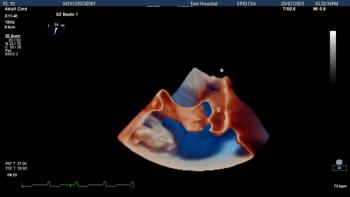
Reportedly providing enhanced imaging of structural heart disease, the minimally invasive X11 4t Mini 3D TEE ultrasound transducer facilitates use of the technology in smaller pediatric patients as well as high-risk ICU patients.

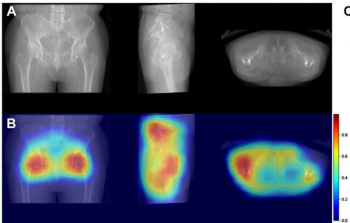
Employing reconstructed radiographs from 3D hip CT scans, a deep learning model demonstrated a higher concordance index (C index) and higher two- and three-year AUCs than multiple imaging models and three clinical models for predicting subsequent fracture risk in patients with hip fractures.


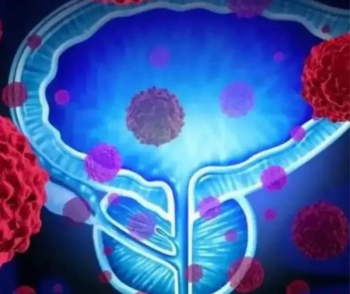
A multivariable model that includes mpMRI and blood testing assessment of prostate extracellular vesicles had a significantly higher AUC and sensitivity rate than mpMRI alone for predicting clinically significant prostate cancer, according to research presented at the American Society of Clinical Oncology Genitourinary Cancers Symposium (ASCO-GU).

Is it time to rethink the burden of applicant fees, credentialing costs and medical staff dues?

Catch up on the top radiology content of the past week.

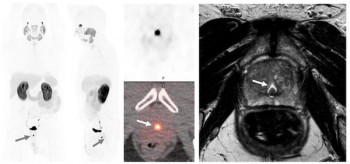
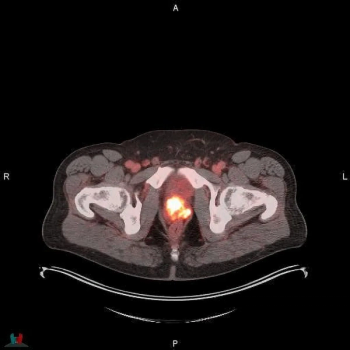
Patients with localized high-risk prostate cancer and midline radiotracer activity in the prostate had over double the incidence of urethral hyperintensity on T2W MRI, according to research presented at the American Society of Clinical Oncology (ASCO) Genitourinary Cancers Symposium (ASCO-GU).

Catch up on the top AI-related news and research in radiology over the past month.

In a recent interview, Eric Secemsky, M.D., discussed an array of benefits for the use of intravascular ultrasound (IVUS) in supplementing angiography for peripheral vascular interventions, current barriers preventing more widespread adoption of the technology and other salient insights from a recent multidisciplinary roundtable discussion.

For patients with recurrent prostate cancer, PET scanning with 18F-flotufolastat led to major changes in treatment for 80 percent of patients and 75 percent of patients with a changed treatment focus to watchful waiting had negative scans, according to new research presented at the American Society of Clinical Oncology (ASCO) Genitourinary Cancers Symposium (ASCO-GU).

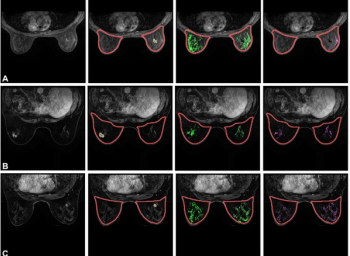
Researchers found that several measurements of background parenchymal enhancement (BPE) on dynamic contrast-enhanced MRI were linked to a 27 to 66 percent higher risk of breast cancer recurrence.

The syngo Virtual Cockpit platform reportedly enables remote access and image acquisition for CT, MRI and positron emission tomography (PET), and facilitates clinician collaboration across multiple sites.

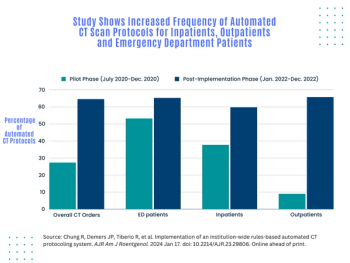
In a nearly two-year study of over 300,000 CT exams, researchers noted a 56.8 percent increase in the frequency of automated CT protocols for outpatient CT examinations.

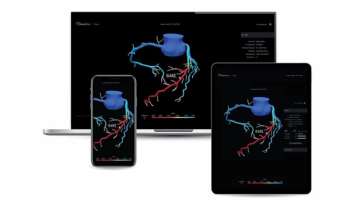
The new Category I CPT code reportedly facilitates a nearly 7 percent increase in reimbursement for use of the CT-based fractional flow reserve assessment of coronary blood flow.

In a recently issued statement from multiple radiology societies including the RSNA and ACR, researchers offer practical advice for evaluating artificial intelligence (AI) tools, implementing AI into current workflows and monitoring of the technology to help ensure optimal benefit and effectiveness.

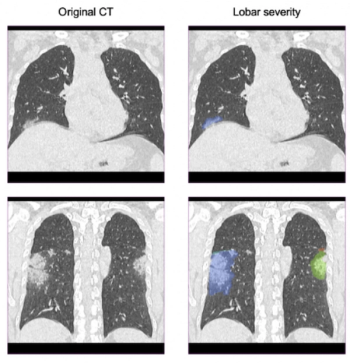
Reportedly offering improved delineation of pulmonary structures and greater accuracy with computed tomography (CT) values of pulmonary tissue, the artificial intelligence (AI)-powered LungQ 3.0.0. may facilitate enhanced precision and efficiency with interventional procedures such as lung volume reduction and ablation procedures.

A singular database of current rules, guidelines and best practices in radiology would be a welcome advance to ensure ease of access, consistency, and proactive prevention of frivolous malpractice cases.

Catch up on the top radiology content of the past week.

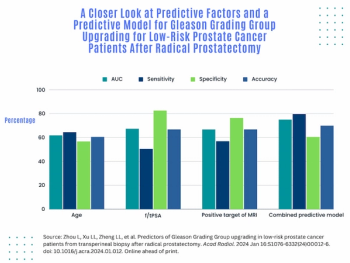
Researchers found that a positive target of MRI led to a threefold increased risk for Gleason Grading Group (GGG) upgrading after radical prostatectomy in patients with low prostate cancer risk.

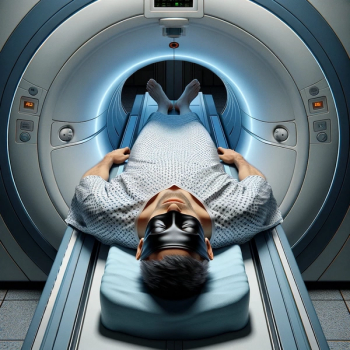
Given the frequent challenges in magnetic resonance imaging that are associated with claustrophobia, this author discusses innovations in noise reduction, radiofrequency coils and wide bore scanners, and emphasizes keys to relieving patient anxiety.

For patients with suspected interstitial lung disease, the digital biomarker solution Fibresolve offers machine learning capability of diagnosing idiopathic pulmonary fibrosis (IPF) based on assessment of lung computed tomography (CT) scans.

Utilized for neurological procedures including biopsies, catheter placement and electrode introduction, the SmartFrame OR Stereotactic System can be combined with preoperative MRI or CT to ensure optimal placement of devices and instruments.

The use of actinium-225 PSMA radioligand therapy led to PSA level decreases of at least 50 percent in 57 percent of patients and a median progression-free survival rate of 7.9 months in patients with metastatic castration-resistant prostate cancer (mCRPC), according to newly published research.

Review the case and test your knowledge to make the correct diagnosis.

Featuring a lightweight body contouring design, the Small Body Array reportedly facilitates optimal signal-to-noise ratio (SNR) and between 10 and 40 percent faster throughput.

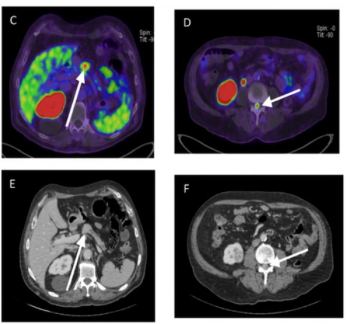
In addition to detecting more than double the number of distant lymph nodes and distant lesions in comparison to conventional imaging with computed tomography (CT), PSMA PET/CT reportedly changed management for 32 percent of patients.

While CT, MRI and X-rays provide more of a workout for one’s radiological skills, more occasional spurts of DEXA scans and Doppler ultrasounds can provide comfortable diversions on worklists.

Catch up on the top radiology content of the past week.