
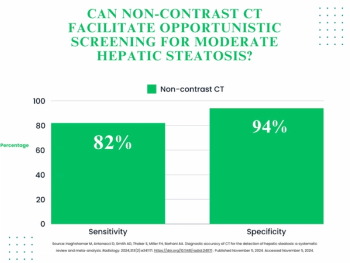
Non-contrast computed tomography offered 82 percent sensitivity and 94 percent specificity for the diagnosis of moderate hepatic steatosis, according to a 42-study meta-analysis.
Non-contrast computed tomography offered 82 percent sensitivity and 94 percent specificity for the diagnosis of moderate hepatic steatosis, according to a 42-study meta-analysis.

In recent interviews, Eric Rohren, M.D., and Krishna Nallamshetty, M.D., discuss the potential of abdominal aortic aneurysms (AAAs) to progress into life-threatening consequences and an emerging AI-powered tool that may bolster adherence to best practice recommendations in radiology reporting of incidental AAA findings on CT and MRI.
Self-imposed fears of embarrassment may lead to an inadvertent defensive stance that prevents us from learning.
Catch up on the top radiology content of the past week.
In a recent interview, Stamatia Destounis, M.D., discussed the impact of national breast density notification for mammography reports and key considerations with staffing and ongoing education for patients, staff and referring providers on the merits of supplemental breast imaging.
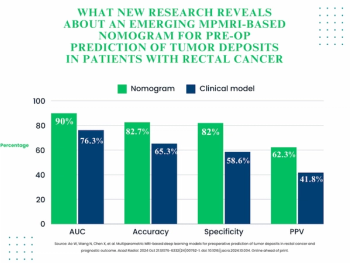
For patients with rectal cancer, an emerging nomogram that combines deep learning and clinical factors had greater than 16 percent and 23 percent increases in accuracy and specificity, respectively, for pre-op prediction of tumor deposits in comparison to clinical factors alone.
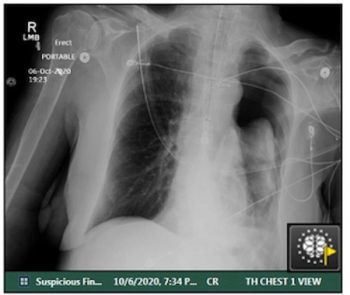
For clinically actionable pneumothorax, an artificial intelligence algorithm demonstrated a 93 percent AUC and a 96 percent specificity rate in a study involving chest X-rays from over 27,000 adults.
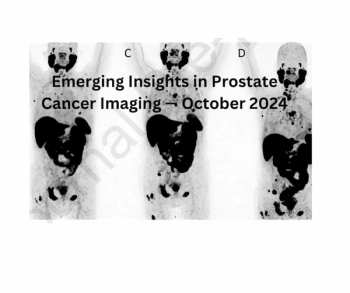
Catch up on the most-well viewed prostate imaging content in October 2024.
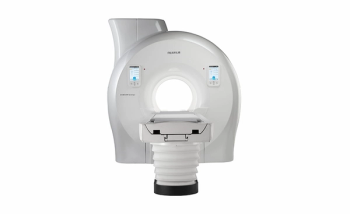
Emerging technologies included with the 10th version of the 1.5T MRI platform include Synergy DLR Clear and Synergy Vision that are geared toward mitigating common challenges with artifacts.
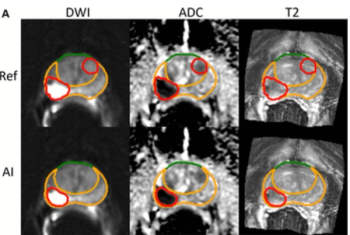
For patients who received radiotherapy for localized prostate cancer, total intraprostatic tumor volume derived from AI segmentation had a 10 percent higher AUC for predicting seven-year metastases in comparison to a risk model from the National Comprehensive Cancer Network (NCCN).
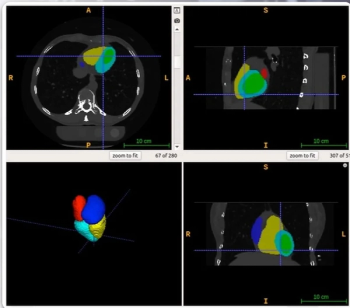
The AI-enabled AutoChamber software also garnered the FDA’s breakthrough device designation for opportunistic detection of enlarged heart chambers on non-contrast CT scans.
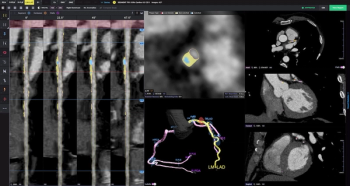
Al-powered quantitative assessment of coronary CT angiography (CCTA) revealed that non-calcified plaque volume was over 3.5 times higher in patients who had major adverse cardiovascular events, according to multicenter research presented at the Transcatheter Cardiovascular Therapeutics (TCT) conference.
Is a decent clinical history from referrers as rare as the full-sized candy bar in the Halloween bucket?
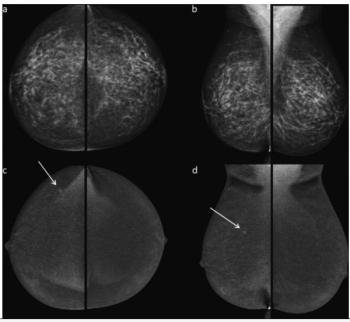
In a 10-year study involving over 5,400 women with nearly 85 percent having dense breasts, contrast-enhanced mammography (CEM) demonstrated a 95.9 percent sensitivity rate for breast cancer.
Catch up on the most-well viewed radiology content in October 2024.
Catch up on the top radiology content of the past week.
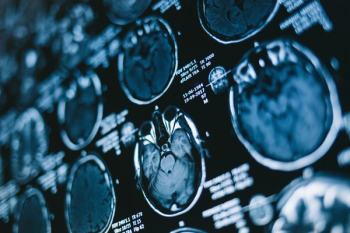
New research revealed no significant difference between gadolinium-free MRI and GBCA-enhanced MRI in preoperative predictive accuracy for the grading of diffuse gliomas in adults.
Catch up on the top AI-related news and research in radiology over the past month.
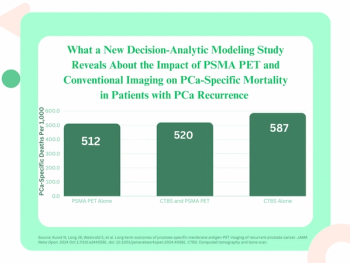
For patients with biochemical recurrence of prostate cancer, PSMA PET imaging may facilitate a 12.8 percent lower incidence of prostate cancer mortality in contrast to the combination of CT and bone scan, according to long-term outcome estimates from a new decision-analytic modeling study.
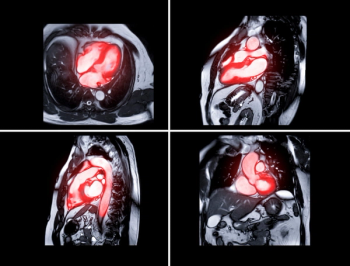
The updated software reportedly provides access to more than 200 enhanced features including optimized hanging protocols with a cardiac MRI viewer and perfusion quantification analysis.

A model emphasizing time-dependent diffusion MRI was 15 percent more effective than apparent diffusion coefficient (ADC) measurements at predicting pathologic complete response to neoadjuvant chemotherapy for women with breast cancer, according to new research.
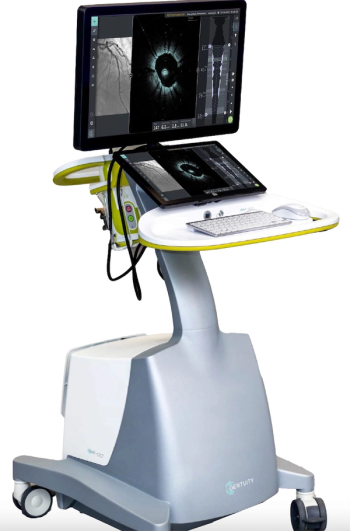
The Gentuity HF-OCT Imaging System, which includes the 1.8 F Vis-Rx Micro-Imaging Catheter, is reportedly the first intravascular imaging system to garner a specific indication for pre- and post-intervention assessments of coronary vessels.
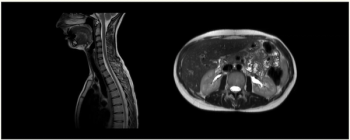
The Ezra Blueprint scan reportedly includes quantitative brain measurements, coronary calcium scoring (CAC) and a full-body MRI that provides screening for over 500 conditions.
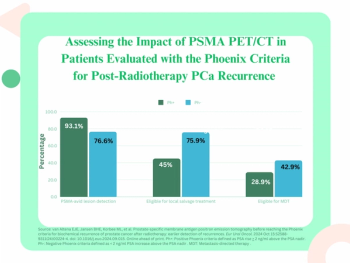
Earlier detection of PSMA-avid lesions in post-radiotherapy patients with increases in PSA levels < 2 ng/ml above nadir were reportedly associated with a significantly lower incidence of distant metastases and lower overall mortality rates.
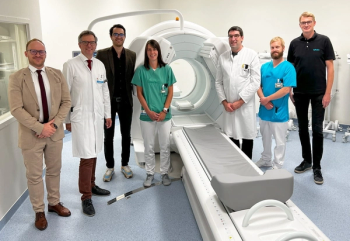
Designed for theranostic imaging applications, the AnyScan Trio SPECT/CT TheraMax scanner was recently unveiled at the annual meeting of the European Association of Nuclear Medicine (EANM).
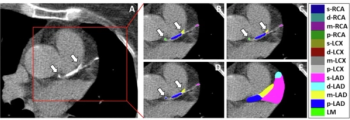
For segment-level coronary artery calcium (CAC) scoring, a deep learning model had an accuracy rate of 73 percent for assigning calcifications to coronary artery segments and achieved a micro-average specificity of 97.8 percent.
There can be a thin line between providing extra effort in a team setting and overextending oneself to compensate for the shortcomings of others.
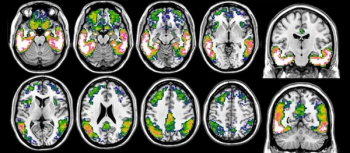
Offering standardized assessment of amyloid plaque and insights on tau protein tangles, the newly clearly FDA features of Centiloid scoring and tau PET quantification with syngo.PET Cortical Analysis software may facilitate diagnosis of Alzheimer’s disease.
Catch up on the top radiology content of the past week.
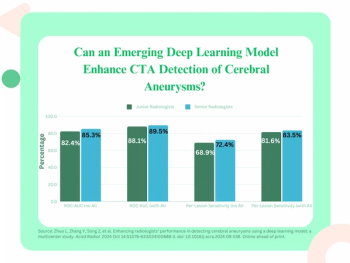
Adjunctive use of deep learning reportedly led to a 37 percent reduction of interpretation time for cerebral aneurysm assessment on computed tomography angiography (CTA) and greater than a 90 percent reduction in post-processing time.