In the latest episode of his “Interventional Radiology in Focus” series, Mina Makary, MD, discusses the evolution, research and pearls for ablation procedures, and emerging considerations for histotripsy in the realm of interventional oncology.
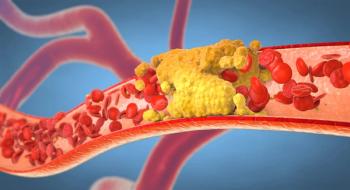
Artificial intelligence plaque analysis of CCTA scans showed that 27 percent of former NFL players had severe or extensive total plaque volume, according to a new study to be presented at the American Heart Association Scientific Sessions 2026 this week.
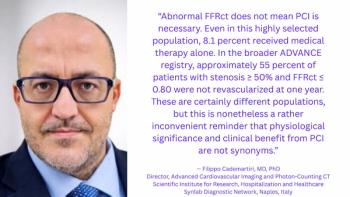
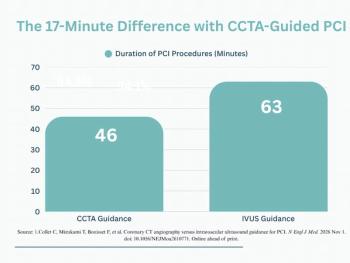
While the P4 trial represents a landmark study on the use of CCTA guidance for percutaneous coronary intervention (PCI), there are pertinent caveats that warrant closer inspection.
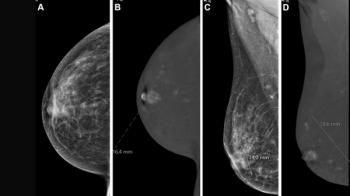
While contrast-enhanced mammography (CEM) offered the highest agreement with histopathology on the extent of malignancy in a new study, researchers found the use of pre-op CEM had no impact on mastectomy or reoperation rates.
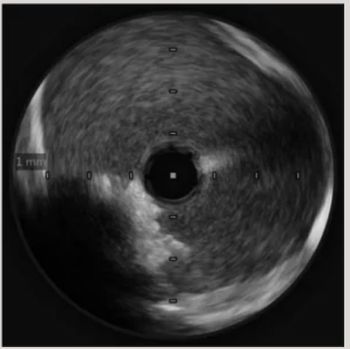
The Evident Vascular Guidance System and Evident peripheral imaging catheters reportedly offer enhanced image clarity and workflow efficiencies for intravascular ultrasound.
Amid the burgeoning imaging volumes and ongoing radiologist shortage, this author suggests that more active involvement by radiologists in the creation and development of AI models could go a long way.
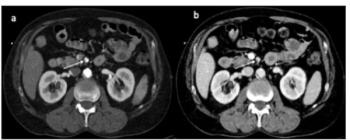
New research found that the late arterial phase, which accounts for approximately 40 percent of CT radiation dosing in cases involving acute abdominal pain, offered no exclusive findings that had an impact on clinical care.
New research suggests CCTA may provide salient preoperative insights into planning for percutaneous coronary intervention (PCI) while facilitating similar outcomes as intravascular ultrasound guidance for target-vessel failure.