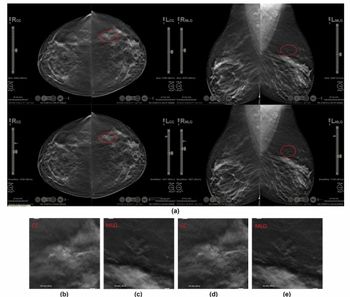
Use of the AI-enabled slab technology from reconstructed DBT imaging led to a 7.4-second mean reduction in reading time in a new study involving 391 cases and 15 reviewing radiologists.
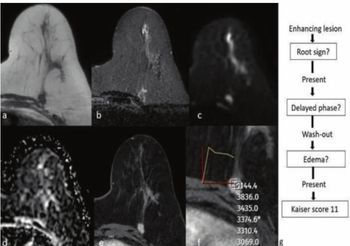
A Kaiser score > 5 with breast MRI demonstrated a 97 percent sensitivity and 87.9 percent specificity for predicting malignancy in patients with BI-RADS 0 or 4 presentations on mammography and breast ultrasound, according to a new study.
In the latest episode of her Breast Imaging in Focus series, Manisha Bahl, MD, MPH, FSBI, discusses new research comparing mammography-based AI models for breast cancer detection and short-term risk prediction.
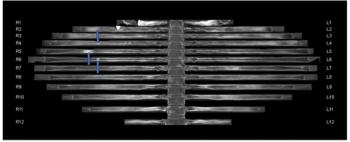
The use of adjunctive CT bone reading software in women with breast cancer detected between 8 to 22 percent more metastatic lesions for reviewing radiologists and reduced CT interpretation time by 50 percent or more, according to a new study.
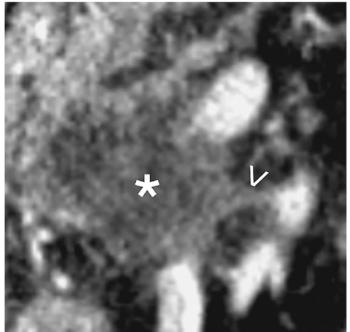
Emerging CT research suggests that the plexus pancreaticus capitalis 2 (PPC2) pathway or a mass with stranding morphology may significantly increase mortality risk in patients with pancreatic cancer and extra-pancreatic nerve plexus invasion (EPNI).