Catch up on the top radiology content of the past week.


Catch up on the top radiology content of the past week.

Catch up on the top AI-related radiology content of the past month.

Researchers showed the deep learning system had an area under the curve (AUC) ranging from 87 percent to 91 percent in two test sets for diagnosing solid pancreatic lesions of any size and cystic lesions 1 cm or larger on high-contrast computed tomography (CT).

Well known for her education and advocacy on the use of computed tomography (CT) colonography for colorectal cancer screening, Dr. Yee is also widely recognized for her leadership, mentoring skills and being a champion for diversity in the field of radiology.

Catch up on the top radiology content of the past week.

The combination of magnetic resonance imaging (MRI) and computed tomography (CT) had a 63.83 percent sensitivity rate for tumor-infiltrated axillary lymph nodes in patients with breast cancer in comparison to a 36.11 percent sensitivity rate for the combination of mammography and sonography.

Canon Medical Systems offer a range of in-person and virtual educational opportunities for their clients.

While a lack of detail with patient histories is a common challenge in radiology, a dash of humorous perspective can help build a sense of camaraderie among colleagues.

Catch up on the top radiology content of the past week.

While recent recommendations from the United States Preventive Services Task Force (USPSTF) to lower lung cancer screening thresholds significantly expanded eligibility for screening tests such as low-dose computed tomography (CT), differences in education, health-care insurance and proximity to health-care facilities continue to be key drivers of racial and socioeconomic disparities limiting access to appropriate preventive care.

Catch up on the top radiology content of the past week.

Researchers discuss key parameters for the assessment, implementation and post-implementation monitoring of emerging artificial intelligence (AI) tools in radiology practices large and small.

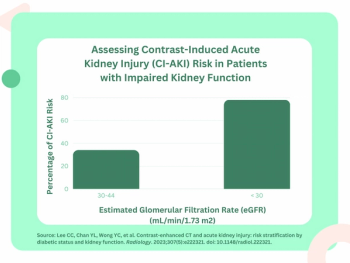
A recent study found the use of an alert and a request for more clinical information in a multisite health system’s electronic health record (EHR) system led to a 12 percent reduction in contrast-enhanced computed tomography (CT) exams per day and a 15.2 percent reduction in orders for CT with contrast media per day.

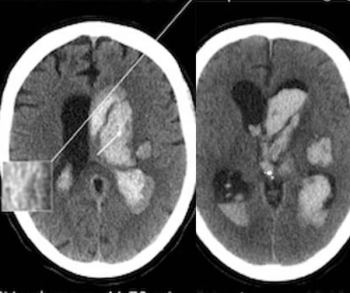
Viz.ai said the Viz Subdural Hematoma (SDH) artificial intelligence (AI) algorithm provides automatic detection of acute and chronic subdural hemorrhages, facilitating timely triage and treatment of patients.

Has an overly critical approach from quality assurance committees led to an overly cautious approach in reports from teleradiologists?

Catch up on the top radiology content of the past week.

The system has an open architectural design to allow for third-party integrations.

Artificial intelligence (AI) accurately diagnosed 79 percent of proximal large vessel occlusions with an ipsiversive gaze deviation on non-contrast computed tomography (CT), according to new research findings presented recently at the Society of Neurointerventional Surgery’s (SNIS) 19th Annual Meeting in Toronto.

The imaging agent is approved for use in 50 countries in Europe and Asia, but is not currently approved in the US.

Catch up on the top radiology content of the past week.

RapidAI’s Rapid Hyperdensity tool reportedly allows quicker assessment of hyperdense tissue in the brain via non-contrast computed tomography (CT) scans.

In a video interview, Morris Panner, the president of Intelerad Medical Systems, discussed key observations from the recent Society for Imaging Informatics in Medicine (SIIM) conference, recent research about artificial intelligence (AI) adoption and emerging goals for enhancing the efficiency of radiology workflows.

The Food and Drug Administration (FDA) has given the green light to Bayer to import foreign-labeled iopromide (Ultravist) to help alleviate ongoing supply challenges with iodinated contrast media in the United States.

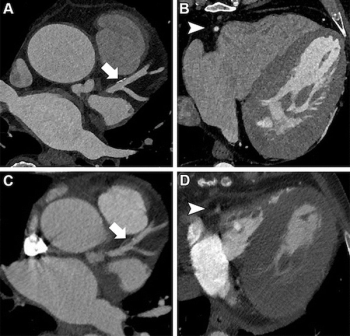
Emerging research shows the use of preoperative computed tomography (CT) led to improved success rates with device implantation, reduced procedure time and less device size changes in comparison to standalone transesophageal echocardiogram (TEE) for left atrial appendage occlusion (LAAO) procedures.

In a video interview, Jonathan Dillman, MD, MSc discussed a recently published statement from the American College of Radiology (ACR) that questioned the literature support for a March guidance from the Food and Drug Administration (FDA) about thyroid monitoring for children three years of age or younger within three weeks of exposure to iodinated contrast media (ICM).