CT

Latest News


CME Content


Emerging AI Tool Improves Worklist Triage and CT Detection of Incidental Pulmonary Embolism

In a new study involving over 11,700 chest computed tomography (CT) scans in oncology patients, adjunctive artificial intelligence software demonstrated a sensitivity rate of 91.6 percent for incidental pulmonary embolism (IPE) and reduced median detection and notification time for IPE-positive scans from multiple days to one hour for a radiology department at a comprehensive cancer center.

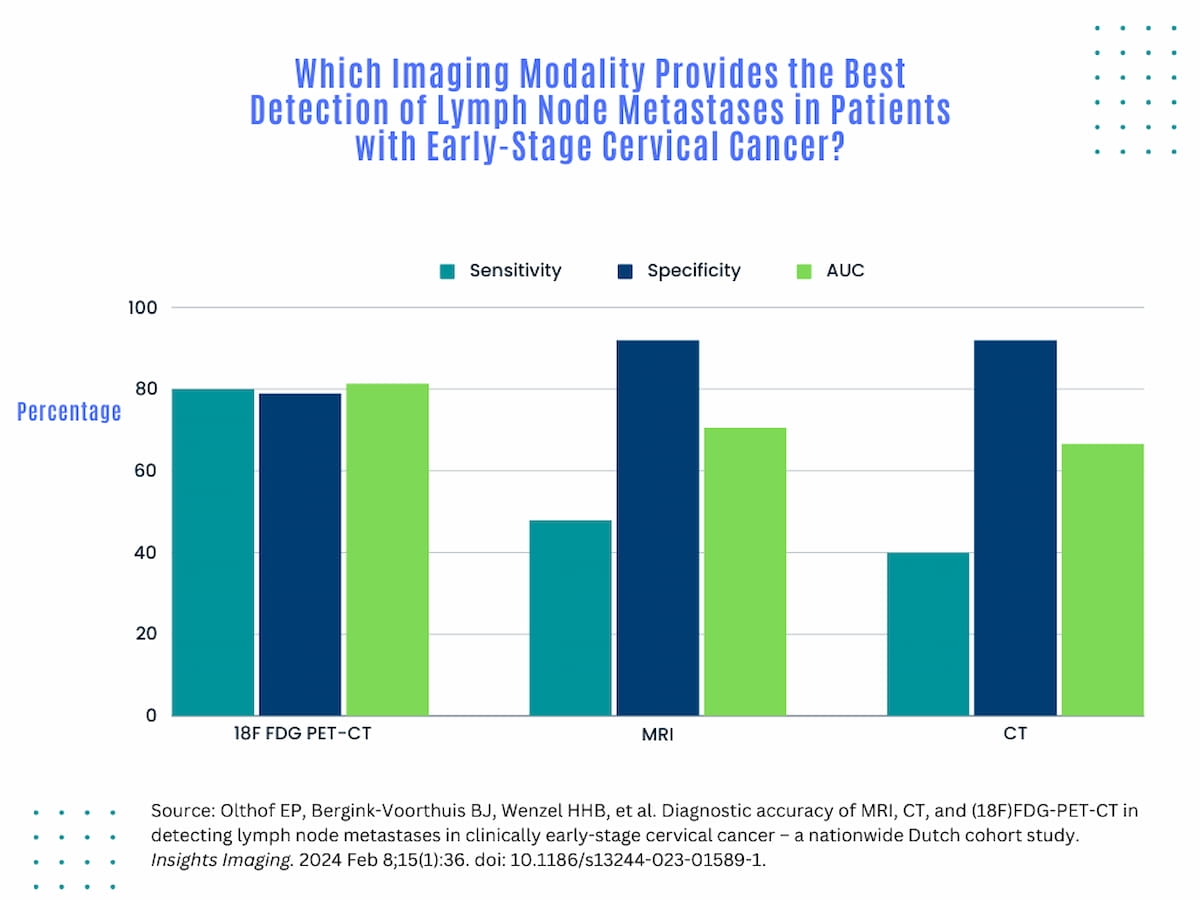
A recent prospective study found that progression-free survival (PFS) and disease-specific survival (DSS) were significantly associated with breast cancer tumor treatment response on 2-(18F)FDG-PET/CT imaging in comparison to contrast-enhanced computed tomography (CT), which showed no evidence of a significant association with tumor response.

Noting that computed tomography (CT) scans are obtained for more than 30 million emergency department (ED) patients annually and that 31.3 percent of ED CT scans reveal incidental findings, representatives from the American College of Radiology (ACR) and the American College of Emergency Physicians (ACEP) recently collaborated on best practice recommendations for addressing incidental imaging findings in EDs.