










CHICAGO - Radiology needs new strong leaders to strengthen the profession, and residents’ training must begin now to fill the void in the industry.
CHICAGO - Radiology needs new strong leaders to strengthen the profession, and residents’ training must begin now to fill the void in the industry.
The current political rhetoric about controlling the costs of health care can only mean one thing: decreased reimbursement.

In 2013, CMS will dramatically reduce the number of codes used for radiology, as well as how your services are coded.

Medical imaging managers reported low confidence that they will receive adequate reimbursement from Medicare in the fourth quarter of 2012.
Radiologists in many ways are like the lab rats facing electric shocks in the cage. Except that when there’s more pain than gain, we can escape.
peerVue will unveil at RSNA 2012 several new solutions aimed at helping radiologists streamline their workflow.
CMS’s 2013 proposed Medicare payment cuts were met with little surprise, but experts say practices should now assess the potential impact.
Speech recognition software can be leveraged to tell if a radiologist is stressed, prompting individualized interventions to improve quality and satisfaction.
VIDEO: Cindy Moran, of the American College of Radiology, discusses how the health care reform law will affect radiologists and how to get involved.
Too many physicians are self-referring patients for advanced imaging services, resulting in increased costs, according to the GAO.
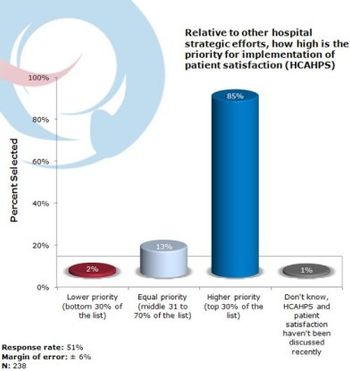
CMS plans to use hospital patient satisfaction survey data to determine reimbursement. Here’s how radiology groups can improve their scores.
Hurricane Sandy reminded us of the need to be ready for an emergency, whether it’s to remain operational or ensure data isn’t lost. Do you have a plan?
From taxes to health insurance to ACOs, the election next week is likely to have a major impact on radiology. Here’s what you need to know.

Lisa Lowe, MD, an Academy of Radiology Leadership and Management grad, discusses the training radiology leaders need in today’s health care environment.
Medical imaging use and costs have declined in recent years. But has this downward trend affected quality and patient safety?
The Academy of Radiology Leadership and Management provides courses in topics like finances and professionalism. Should these skills be taught in med school?
In this video interview, the ACR’s Michael Peters explains what’s new in Stage 2 of meaningful use, the challenges radiologists face and how to stay informed.
Most radiologists are eligible for the meaningful use program, says Keith J. Dreyer, DO, PhD. So don’t be tempted by the hardship exemption.
October 3 was the deadline for eligible professionals to begin the 90-day reporting period for 2012 to receive Meaningful Use payments. Did you make it?

James Rawson, MD, discusses health care reform, appropriate imaging utilization, changes in practice structure, and the upcoming presidential election.
Referring physicians want an easier way to order studies, shorter turnaround times, and better communication of critical results, a survey found.
Which presidential candidate's plan on health care do you support?
Even if you outsource your billing, you need to keep up with regulations and changes. Here are five tips for radiologists to keep billing and coding on track.
Radiologists have developed evidence-based guidelines to help physicians manage low back pain patients to try to reduce inappropriate imaging and procedures.
The federal government has proposed a system to allow consumers to report medical mistakes and unsafe practices by health care workers.