












A combination of acoustic imaging methods and algorithms offers a better method to explore the brain’s gray and white matter.
A combination of acoustic imaging methods and algorithms offers a better method to explore the brain’s gray and white matter.

With a newly developed segmenting method, it is possible to configure large amounts of data from various imaging datasets automatically and with little expertise.
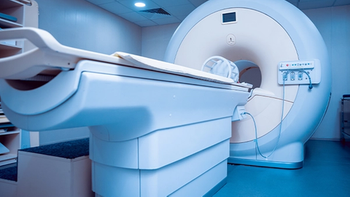
The tools incorporate a patient’s own clinical characteristics to identify which individuals with early-stage breast cancer will experience cancer spread and which will potentially have disease-free survival.

Examine a patient’s face mask prior to scanning as nose clips, headband staples, or other components can contain metal, potentially leading to facial burns during MRI scans.
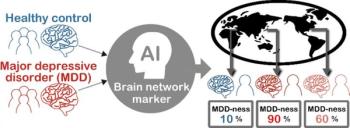
Machine learning can pinpoint specific activity patterns in the brain that could lead to more targeted therapies.
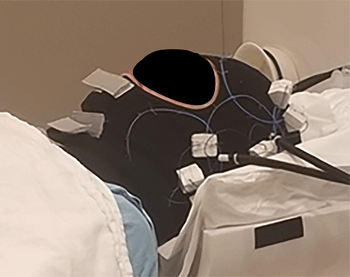
The 16-channel head adaptive image receive radiofrequency coil opens the door for greater comfort and future coil design improvements.
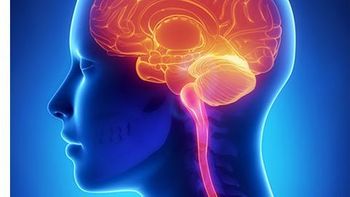
Differences in cortical thickness development correlates to cognitive differences and could be involved in increased risk for mental illness.
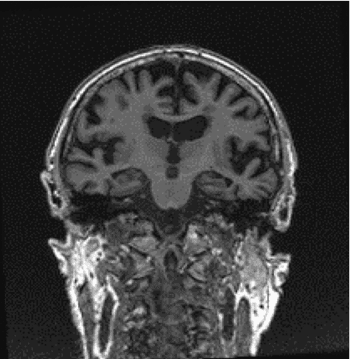
Novel deep learning model can provide needed information from multi-modal imaging even when some modalities are absent.
7T MRI and MR-Guided Focused Ultrasound present new clinical opportunities in the pipeline.
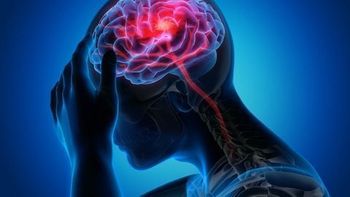
The mechanisms, magnitude, manifestations, and management of stroke during the pandemic.
Advanced imaging can help pinpoint the location and cause of lingering nerve damage in patients who have recovered from the virus.

Capturing the scan can reduce number of repeat surgeries and pinpoint additional cancers.
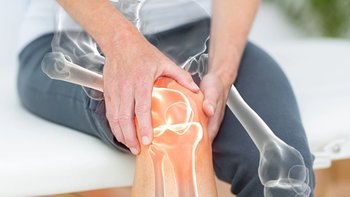
MRI shows injections can both accelerate healing time and improve range of motion.

fMRI scans show that babies’ brain activity can be influenced through associative learning, presenting a potential strategy for promoting the development of life-long skills in infants who have injured brains.
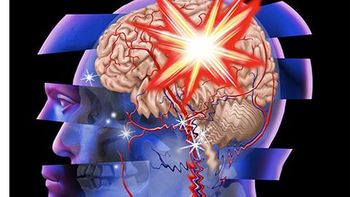
Optically pumped magnetometer sensor detects magnetic signals that could augment the detection of traumatic brain injury and disease.
Brain MRI scans reveal that anxiety is independently associated with a faster progression from mild cognitive impairment to Alzheimer’s disease.
Images reveal that adolescents experienced a loss in volumetric bone mineral density after sleeve gastrectomy and extreme weight loss.
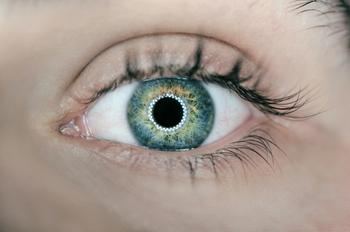
Basic photographs paired with AI technique can pick up on retinal changes that are early signs of the progressive central nervous system disorder.
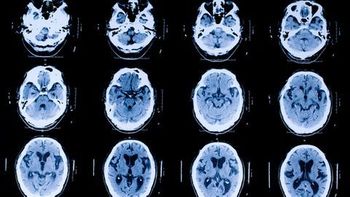
Magnetic resonance spectroscopy reveals neurochemical abnormalities that shed light on how the virus impacts the brain.
Older women exposed to higher levels of air pollution can experience a 24-percent increase in Alzheimer’s risk.
Approximately half of all patients who experience stroke, brain bleeds, or blocked blood vessels, identified on MRI or head CT in this study, had high blood pressure or type 2 diabetes.
In this episode, Dr. Michael Recht, chair of the radiology department at New York University Langone Health, discusses the partnership between NYU and Facebook AI that has created an accelerated MRI that is four times as fast as a standard MRI.

Scans show increased knee degeneration in overweight or obese patients who play fast-paced racket sports.

Here's what to expect this week on Diagnostic Imaging.
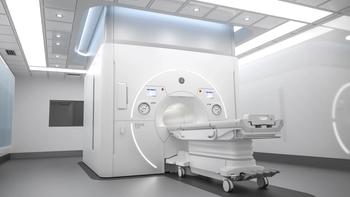
New scanner is designed to augment neurological and musculoskeletal imaging functions.