
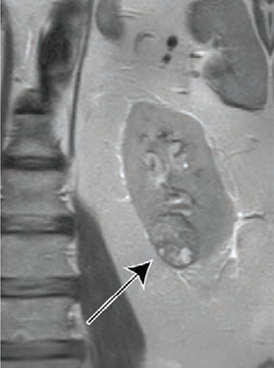













Images can detect non-mass enhancement extension that correlates to tumor involvement of the nipple.

Images can detect non-mass enhancement extension that correlates to tumor involvement of the nipple.
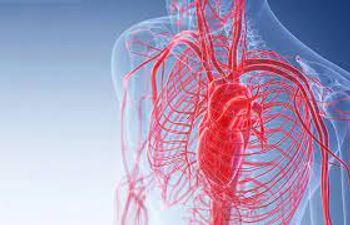
Better understanding of blood flow means better treatment for patients.
Including MRI leads to more quality-adjusted life years.
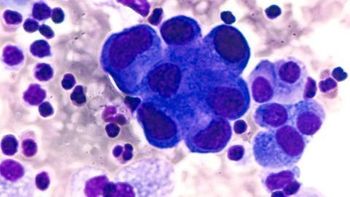
The potential opportunities are numerous for virtual biopsies, radiomics, and radiogenomics.

Middle age female with back pain and left sided radiculopathy. What most likely represents the imaging finding?
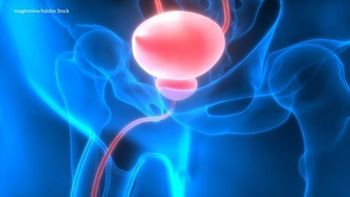
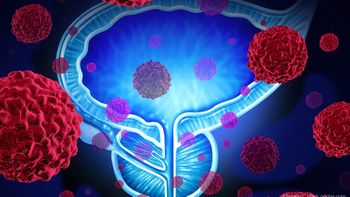
Relying on MRI images rather than PSA screening can reduce unnecessary biopsies and identification of clinically insignificant cancers.
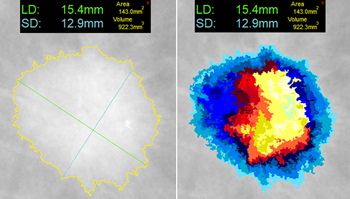
One-click tool is designed to deliver precision consistently across all imaging modalities.
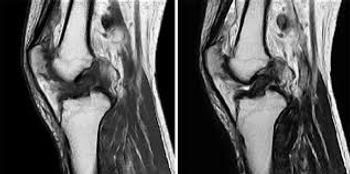
Researchers compared graft maturity between quadricep and hamstring tendon autografts using signal intensity ratio.

Take a quick look at Diagnostic Imaging's Top 5 stories of the week.
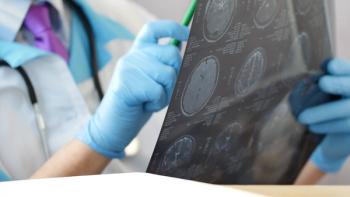
Scans measure blood volume in the brain, assessing oxygen levels and helping to track progress of gene-editing therapies.
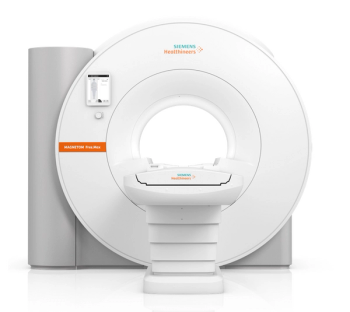
Company’s smallest, most light-weight scanner receives approval.
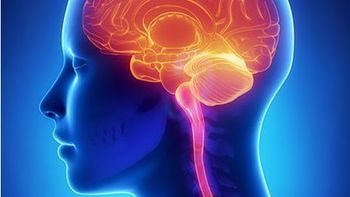
An interview with two experts to discuss newly released guidance for using standardized MRI protocols for patients with this condition.
Take a quick look at Diagnostic Imaging's Top 5 stories of the week.

Adolescent male presented with complaint of pain in the left hip, which is relieved by analgesics.

Study from NIST shows great variation between MRI scanners from multiple vendors, limiting accuracy and diagnostic confidence.
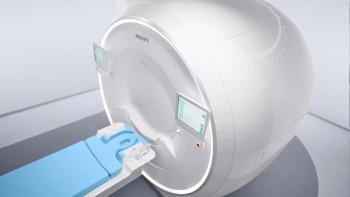
Created in a partnership, the ultra-fast MRI technique captures images in a single breath-hold -- the project's clinical leader offers insights.

Incidence is rare and should not discourage vaccine use, but providers should be aware of the possibility.
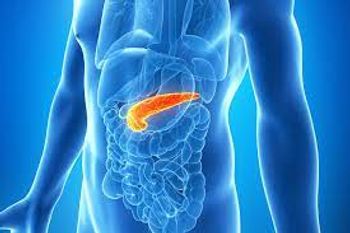
Wide variation in follow-up recommendations for pancreatic cysts could affect supplemental imaging.
Take a quick look at Diagnostic Imaging's Top 5 stories of the week.

The latest products released on the market for Quarter 2 2021.
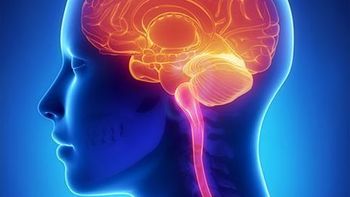
A deep learning algorithm used with brain MRI could help providers identify patients in the early stages of cognitive decline and Alzheimer’s.

Drs. Charles Liu and Jonathan Russin discuss the benefits and potential of fPACT, the alternative to functional MRI.
A 30-year-old female presents with papilledema. What is the imaging finding?
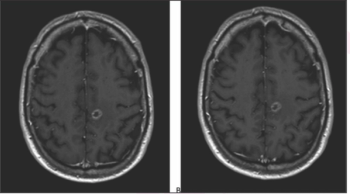
Findings could lead to changes in treatment decisions.
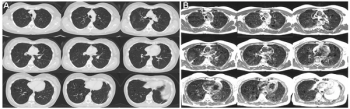
Low-field strength MRI can successfully visualize common lung problems.