















In this podcast episode, Dr. Shalom Kalnicki, from Montefiore and Albert Einstein College of Medicine, discusses the disparities minority patients face with cancer screenings and what can be done to increase access during the pandemic.
In this podcast episode, Dr. Shalom Kalnicki, from Montefiore and Albert Einstein College of Medicine, discusses the disparities minority patients face with cancer screenings and what can be done to increase access during the pandemic.
A convolutional neural network can accurately measure skeletal muscles, helping predict patient survival.

Study reveals favorable acute safety profile for macrocyclic gadolinium.
3D technique manipulates radio waves and magnetic fields used for MRI to significantly increase tumor visualization on contrast-enhanced images.
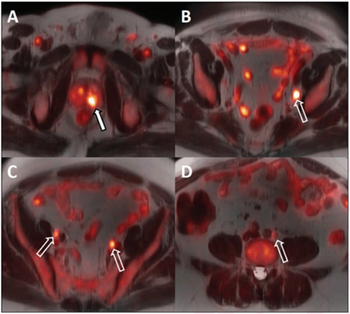
18F-fluciclovine PET/MRI can improve treatment guidance with better staging and evaluation of androgen deprivation therapy.
Interventional radiologists are uniquely positioned to practice stroke intervention.

Adding the 18F radiotracer to MRI scans provides more detail, leading to better treatment planning and better disease-free survival rates in men with recurrent prostate cancer.
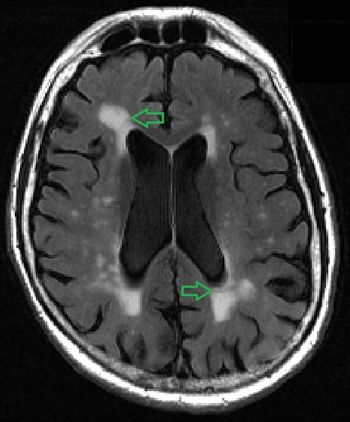
A tool that objectively measures the volume of white matter lesions can accurately pinpoint evidence of early dementia.

Here's what to expect this week on Diagnostic Imaging.
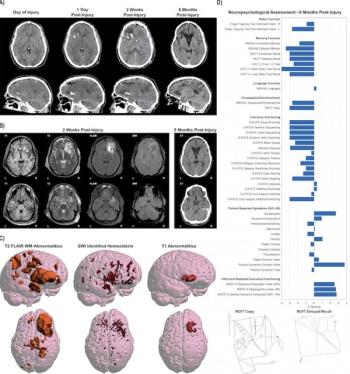
Worldwide effort will amass large datasets from institutions that can be used to identify long-term traumatic brain injury and augment therapies.
Ultrasound as the New Stethoscope; Pre-Operative MRI and Dense Breasts; Spectral CT and COVID-19; Corporatization in Radiology
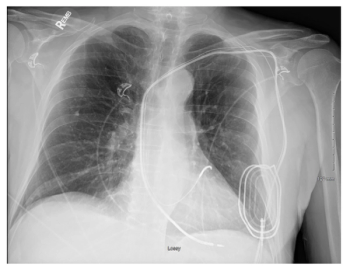
Study shows MRI exams can be safely performed with no adverse events in patients who have non-MR conditional devices, making the exams available for patients who frequently needs these studies the most.

Algorithm cleared to help radiologists analyze and segment prostate MRI.

MRI catches more malignant lesions in women with dense breasts who undergo digital breast tomosynthesis than those who have digital mammography alone.
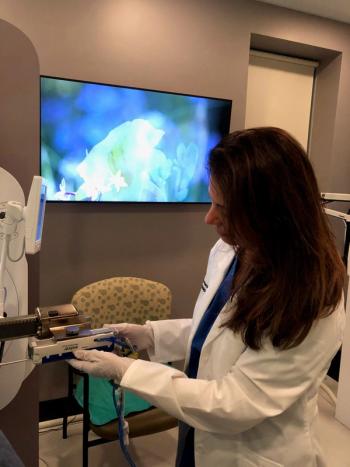
Serena Bright™ shortens time to biopsy results, a critical capability during the COVID-19 pandemic.
Here's what is coming soon to Diagnostic Imaging.
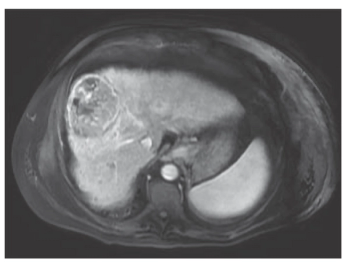
Mistakes highlight the need for more sub-specialty reads with MRI, particularly abdominal and pelvic scans.
Opposition to AI in Mammography; Alzheimer's Disease and Vascular Dysfunction; Clear & Present Danger for The Match; Trends & Innovations in Breast Imaging
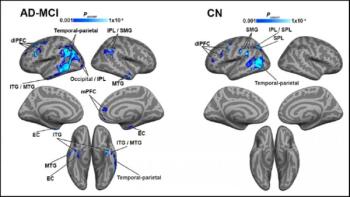
As Alzheimer’s disease progresses, more brain regions exhibit evidence of this link.
What to expect this week on Diagnostic Imaging.
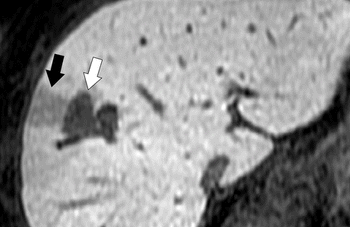
Results indicate radiologic findings are better survival predictors than pathologic vessel invasion.

A new technology overcomes the challenges to cardiac imaging presented by spontaneous fetal movement.
Australian data reveals mpMRIp significantly decreases the need for prostate biopsies and controls healthcare spending.
MRI and PET Reveal Parkinson's disease Duality; MRI Shows More Aggressive MS in Hispanic Patients; Radiation Dose Misconceptions; and Challenges for Racial and Ethnic Minorities in Cancer Screening
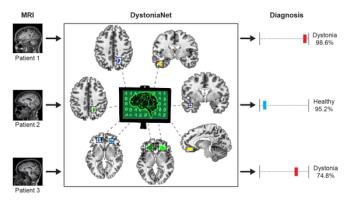
The platform, dubbed DystoniaNet, was able to identify 3 varieties of focal dystonia in a matter of 0.36 seconds with almost 100-percent accuracy.