










Diagnostic Imaging's Weekly Scan: May 15, 2020
Diagnostic Imaging's Weekly Scan: May 15, 2020
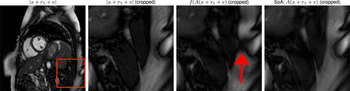
Algorithms can create errors in multiple imaging systems, according to new tests.

Deep-learning model outperformed neuroradiologists in predicting risk for disease development.
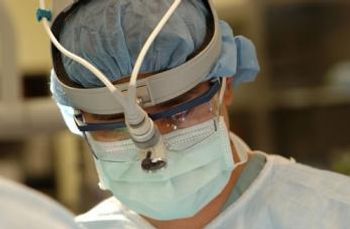
Research reveals some facemasks and respirators worn to protect against COVID-19 contain ferromagnetic components.
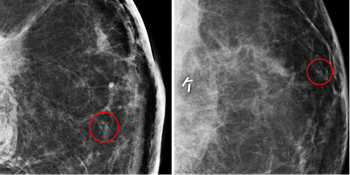
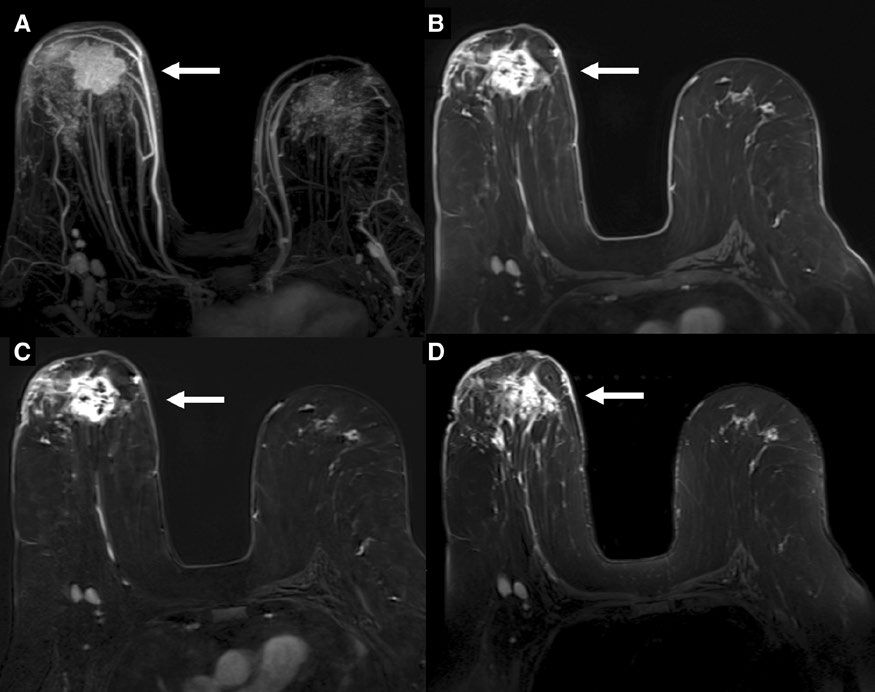
Research provides evidence for imaging mastectomy site during opposite-breast cancer screening.

NIH-funded study reveals using diffusion-weighted MRI to evaluate therapy effectiveness could reduce dose by 80 percent.
Diagnostic Imaging Weekly Scan -- May 1, 2020
Superconducting head MRI approved for use in critical care environments.
Use of the categorization tool produces results that vary widely across institutions.
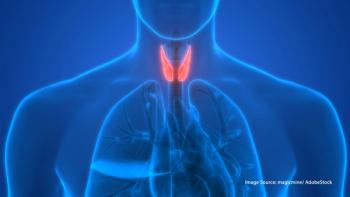
Study comparison should three-times more cancers among first responders, many of whom are asymptomatic.
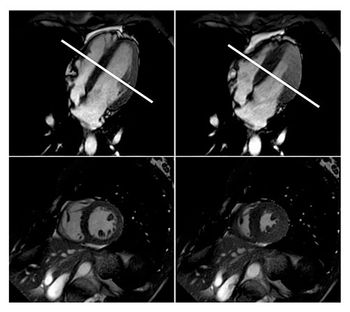
Multi-modal approach maximizes imaging capabilities.
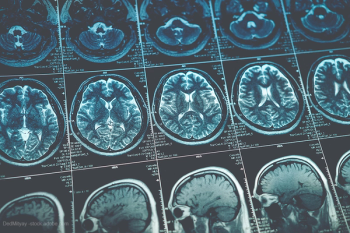
American College of Radiology recommends only using MRI in necessary circumstances.
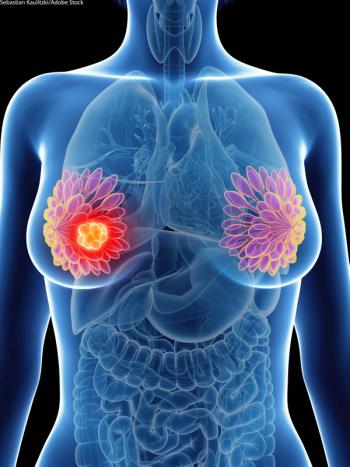
Shortened protocol identifies more cancers than ultrasound or mammography.

Combining both modalities is an acceptable alternative to MRI, study finds.
Canon Medical Systems receives 510(k) clearance for its Advanced intelligent Clear-IQ Engine.
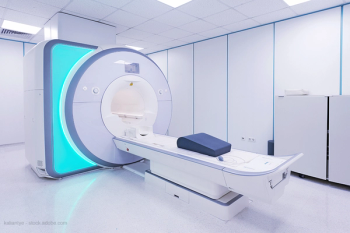
Shorter, less-expensive exam identifies more cancers in average-risk women.
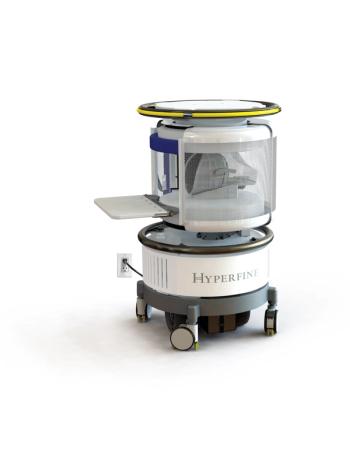
Hyperfine’s portable MRI aimed at increasing imaging access and reducing cost.
Results of two trials indicate efficacy of hyperpolarized 129Xenon gas MRI in visualizing lung structure and function.
Brain scans reveal link between strength of inhibition control and early binge drinking behavior.

The latest roundup of radiology news and studies.
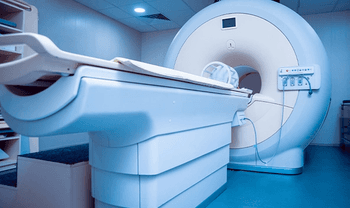
How-to guidance for using abbreviated MRI as a screening tool.

The latest roundup of radiology news and studies.

From the efficacy of AI as a cyberweapon to MRI for diagnosing strokes, the latest radiology news and studies you need to know.

From opinions on the value of multiple reads to new AI findings, the latest Radiology news you can’t miss.

From updated mammography screening guidelines to a link between obesity and brain structure, these are the studies and news you need to know.