Do we settle for oblique truths more often than not to mitigate potential repercussions?

In what may be the largest study to date to examine the use of whole-body imaging to assess multisystem thrombosis in patients with COVID-19 vaccine-induced immune thrombotic thrombocytopenia, researchers found multiple sites of thrombosis in 83 percent of patients who had additional CT, MRI and/or ultrasound imaging beyond the area of their primary complaint.

Do we settle for oblique truths more often than not to mitigate potential repercussions?

Catch up on the top radiology content of the past week.

In a recent video interview on the current iodinated contrast media shortage, neuroradiologist Sean Bryant, MD discussed imaging alternatives, emphasized communication with referring physicians on optimal studies, and discussed the ongoing need to prevent “protocol creep” with timely updates of imaging protocols.

The resumed production of GE Healthcare’s Omnipaque products is a welcome development for radiologists scrambling to come up with alternative dosing and imaging options in the past month during the temporary shortage of iodinated contrast media.

In an ongoing quest to reduce the impact of the temporary iodinated contrast media (ICM) shortage, a group of researchers recently examined Medicare claims data to identify high-frequency usage patterns of contrast-enhanced computed tomography (CECT) services.

Is it a thoughtless verbal reflex or a failure to go beyond a surface read of imaging?

Catch up on the top radiology content of the past week.

Given the challenges with the shortage of the iodinated contrast agent Omnipaque, national and state organizations have issued suggested risk mitigation and conservation strategies to reprioritize imaging needs during this temporary shortage.

What is the diagnosis?

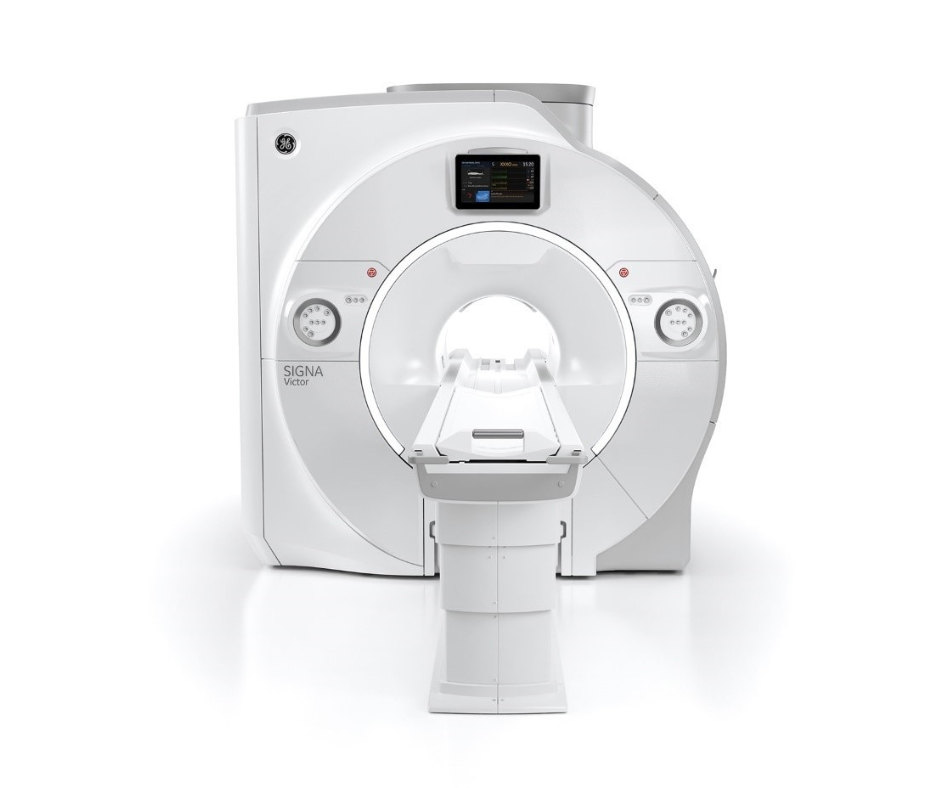
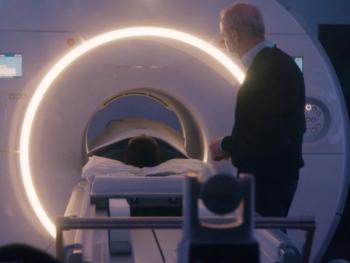
Offering integrated artificial intelligence (AI) and seamless multi-nuclei imaging capabilities, the new magnetic resonance imaging (MRI) system reportedly enhances image quality and workflow efficiency.

Check out top radiology content from the past week.

Review the top radiology content from the past week.

While there can be an array of challenges in outsourcing night coverage to teleradiology service providers, due diligence with contract terms can help mitigate costs and increase flexibility if radiology practices decide to switch teleradiology providers down the line.

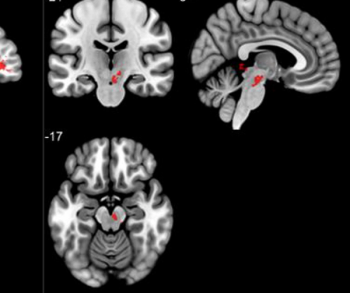
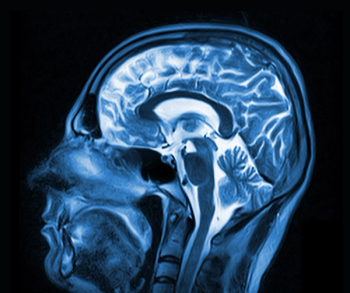
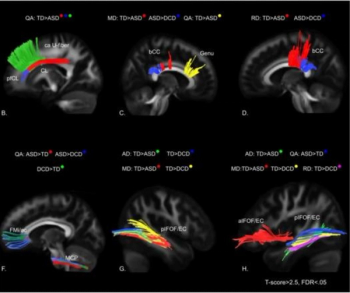
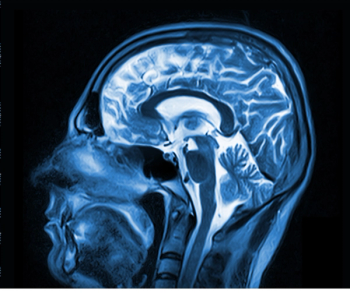
In a recently published study, researchers found that multiparametric quantitative magnetic resonance imaging (qMRI) may detect subtle biomarkers of conditions such as autism and cerebral palsy in adolescents with extremely preterm births.

Review top radiology content from the week.

Emphasizing the proper diagnostic characterization of sidewall aneurysms, the authors of a new study found no significant differences in occlusion status or complications when they compared the approved use of intrasaccular flow disruption for bifurcation aneurysms to off-label treatment of sidewall aneurysms.

Review top radiology content from the week.

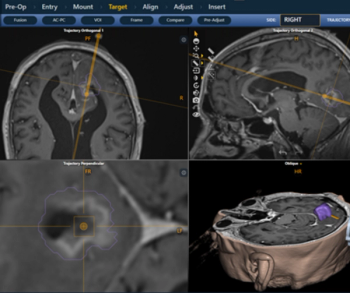
Boston Scientific’s STIMVIEW XT reportedly enables 3D brain imaging that facilitates more accurate lead placement and targeted stimulation modeling for patients with Parkinson’s disease or essential tremor.

In a recent video interview, Arun Krishnaraj, MD, MPH and David Larson, MD, MBA, discussed the continued use of physical media to transport medical images between different health-care facilities, resulting inefficiencies and delays with patient care, and the initiative to create a linked multi-hub model to end this dated practice once and for all.

Review top radiology content from the week.

The new artificial intelligence (AI) algorithm reportedly flags suspected cases of brain aneurysm and facilitates multidisciplinary care.

Review top radiology content from the week.

What is your diagnosis?

Review top radiology content from the week.

What is your diagnosis?