








Use of head and neck CTA has increased significantly among commercially insured and Medicare Advantage patients.
Use of head and neck CTA has increased significantly among commercially insured and Medicare Advantage patients.

Announcement opens the 10th annual Brain Tumor Segmentation challenge.
Take a quick look at Diagnostic Imaging's Top 5 stories of the week.
Scans measure blood volume in the brain, assessing oxygen levels and helping to track progress of gene-editing therapies.
An interview with two experts to discuss newly released guidance for using standardized MRI protocols for patients with this condition.
Take a quick look at Diagnostic Imaging's Top 5 stories of the week.
A deep learning algorithm used with brain MRI could help providers identify patients in the early stages of cognitive decline and Alzheimer’s.

Drs. Charles Liu and Jonathan Russin discuss the benefits and potential of fPACT, the alternative to functional MRI.

A 30-year-old female presents with papilledema. What is the imaging finding?
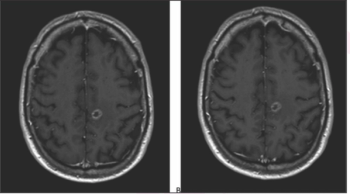
Findings could lead to changes in treatment decisions.
Take a quick look at Diagnostic Imaging's Top 5 stories of the week.

65-year-old male presents with left sensorineural hearing loss.

Imaging shows even mild head impacts can have long-term neurological effects.
New consensus guidelines update clinical practice and point to a unified, worldwide approach to multiple sclerosis diagnosis and monitoring.

Here's what to expect this week on Diagnostic Imaging.

While rare, hyperintense lesions in the brain and spine and leptomeningeal enhancements have been found in patients with the COVID-19 virus in their spinal fluid.
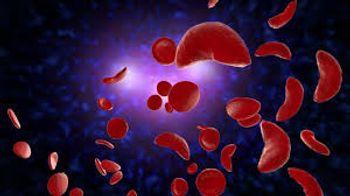
Images show smaller hippocampal volume in patients with sickle cell disease compared to healthy patients.
Patients experience fewer neurologic, motor, and language problems post-surgery.

Study shows lower energy reserve index in patients with mild cognitive impairment and early Alzheimer’s.
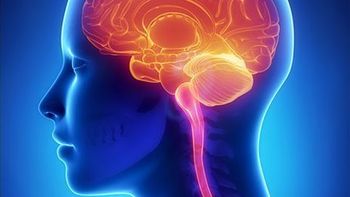
Real-time visualization of brain movement can help radiologists identify hard-to-detect brain conditions.
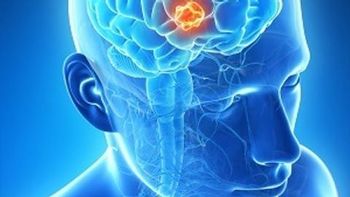
Adding 18F-FET PET to contrast-enhanced MRI can better determine which patients are responding well to immune checkpoint inhibitors or targeted therapies.
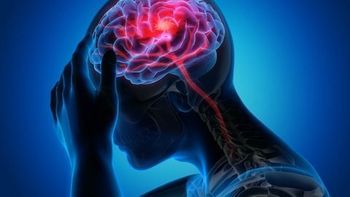
Diffusion-prepared arterial spin labeling can measure the water exchange rate across the blood-brain barrier, catching malfunctions at an earlier state.
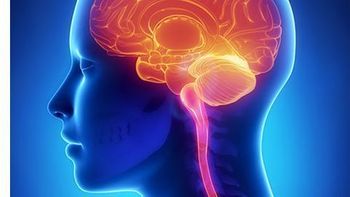
7T MRI highlighted multiple hippocampus differentiations between individuals with DS and healthy study participants.

Take a quick look at Diagnostic Imaging's Top 5 stories of the week.
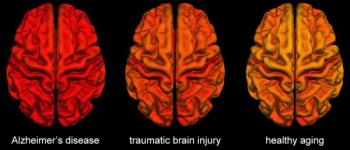
Scans show significant similarities between gray and white brain matter changes in patients with both conditions.