













Catch up on the top radiology content of the past week.
Catch up on the top radiology content of the past week.

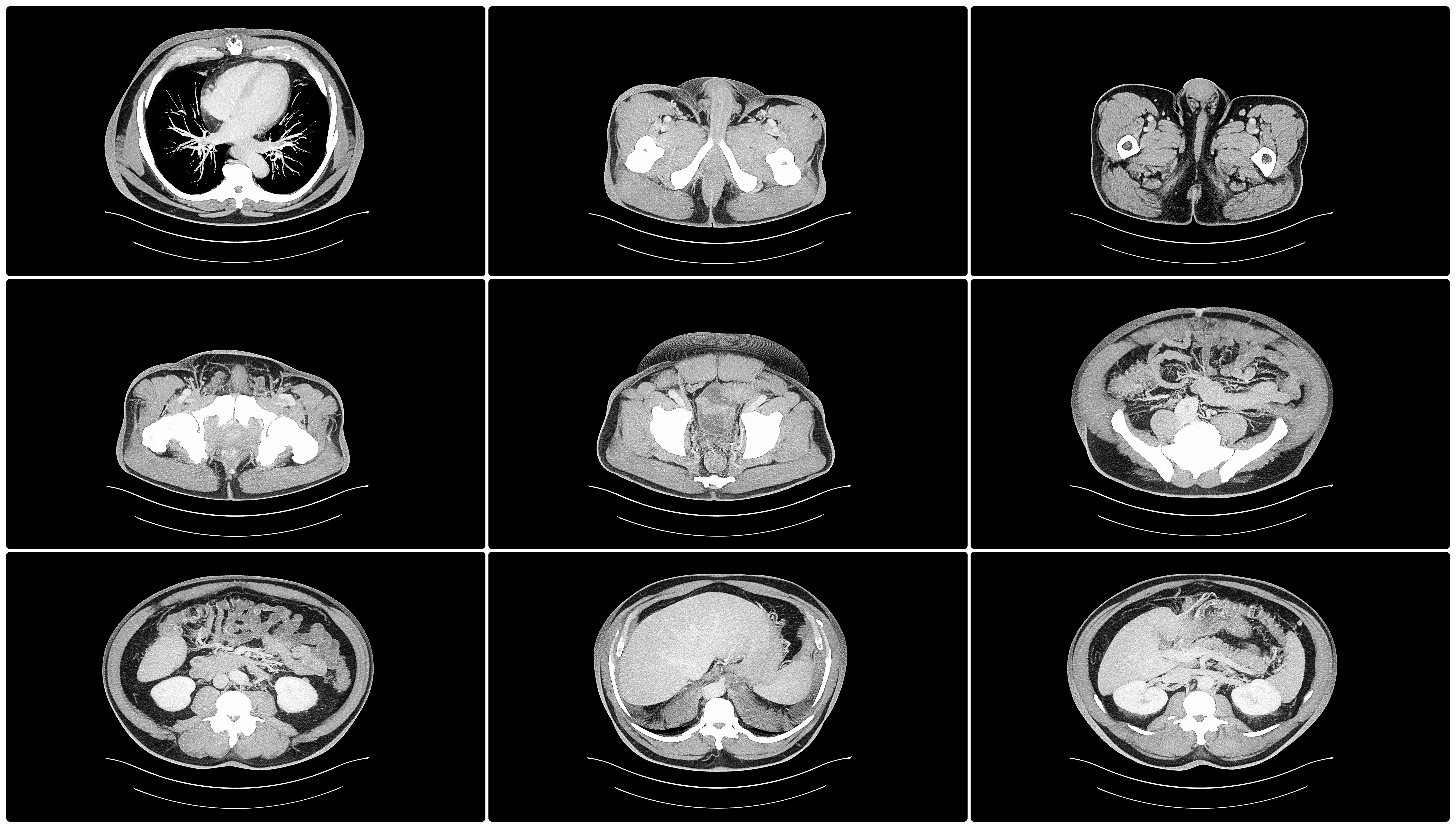
What is the diagnosis?
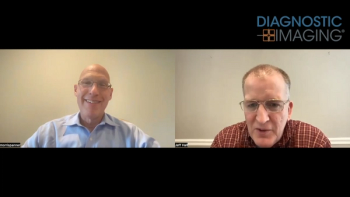
In a video interview, Morris Panner, the president of Intelerad Medical Systems, discussed key observations from the recent Society for Imaging Informatics in Medicine (SIIM) conference, recent research about artificial intelligence (AI) adoption and emerging goals for enhancing the efficiency of radiology workflows.
Catch up on the top radiology content of the past week.
What is the diagnosis?
Catch up on the top radiology news of the past week.
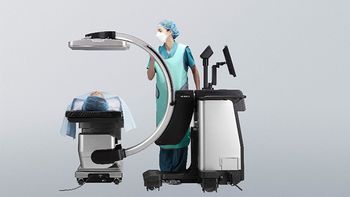
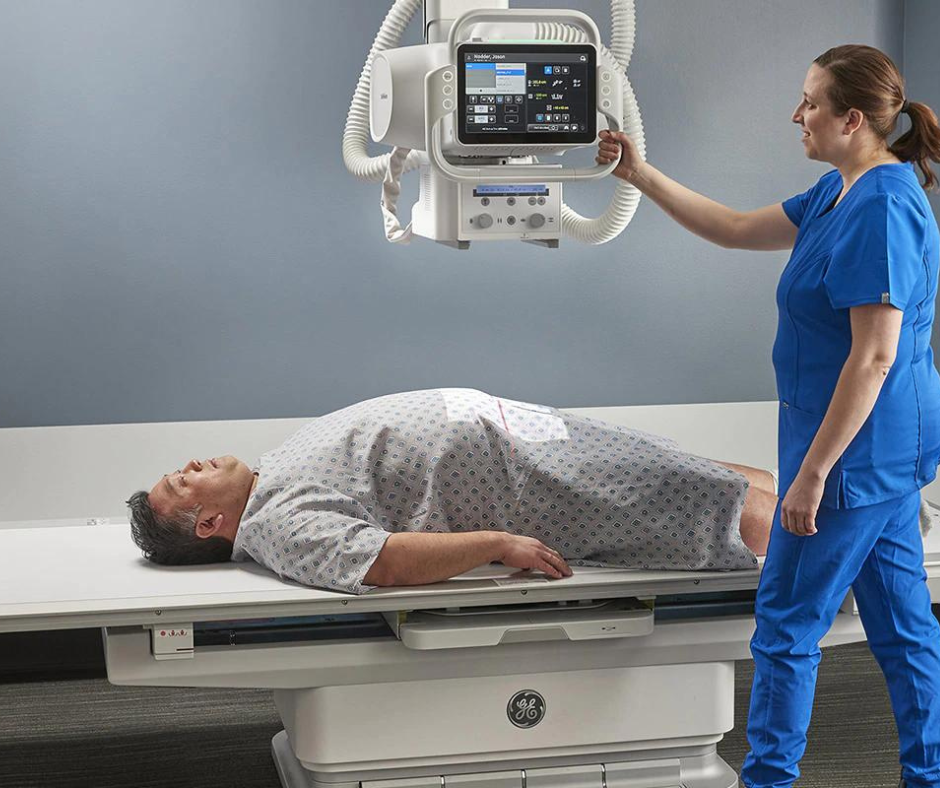
Designed for use in hospitals and ambulatory surgical centers, the FDR Cross may help improve workflows and efficiency for image-guided procedures.
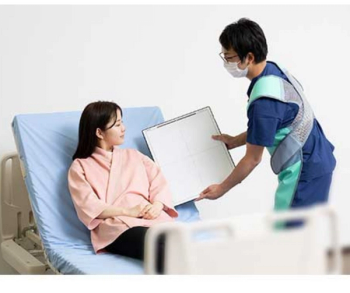
The new digital radiography series reportedly offers proprietary technologies that can preserve image quality and allow better control of X-ray dosage.
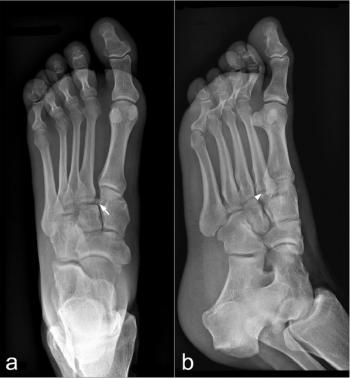
The study, involving 500 patients, showed that artificial intelligence (AI) assistance enhanced fracture diagnosis on radiographs and reduced reading time for radiologists of varying experience levels.
What is your diagnosis?
Whether it is humorous associations with common terminology, oddities on X-rays or decidedly uncomfortable imaging findings, this author shares a few chuckles from his experience.
The new workload management system reportedly emphasizes predictive analytics to facilitate efficient workload distribution and increase reading capacity for radiologists.
Catch up on the top radiology content of the past week.

What is your diagnosis?
Amid a bevy of questionable referrals for X-rays and computed tomography (CT) scans, an unwavering due diligence prevents skepticism from giving way to cynicism and a possible missed diagnosis.
Catch up on the top radiology content of the past week.
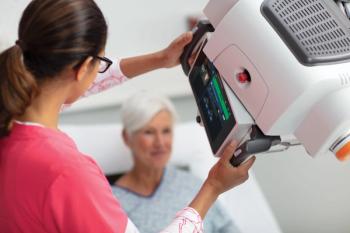
As imaging volume continues to escalate for radiologists, more and more health-care facilities are turning to mobile imaging for increased efficiencies and benefits for patient care.
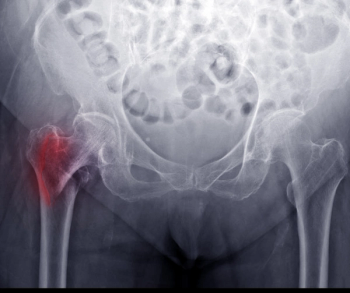
Deep radiomics models that included deep learning features had a 40 percent or greater increase in the specificity rate for diagnosing osteoporosis on hip radiographs in comparison to models that only emphasized clinical and/or textural features.
Amid a glut of unnecessary imaging requests, common worklist frustrations and perceptions from other clinicians that they can interpret medical images just as well, recognizing your role as a humble difference maker may provide the ultimate RVU for patients.
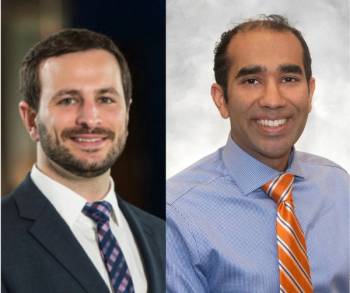
In a recent video interview, two radiology professors from the Yale School of Medicine discussed the impact of the iodinated contrast media (ICM) shortage and potential strategies, ranging from ICM dose reduction to possible deferment of non-urgent imaging, that may provide a viable path moving forward.
Is it a thoughtless verbal reflex or a failure to go beyond a surface read of imaging?
Catch up on the top radiology content of the past week.
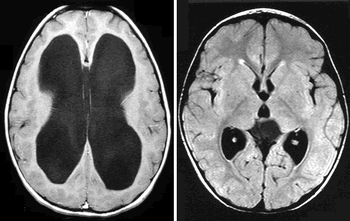
Given the challenges with the shortage of the iodinated contrast agent Omnipaque, national and state organizations have issued suggested risk mitigation and conservation strategies to reprioritize imaging needs during this temporary shortage.
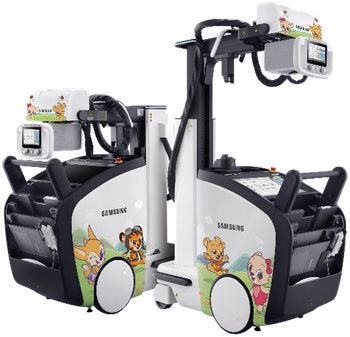
Could low-dose X-ray technology reinvent imaging exams for children?
Check out top radiology content from the past week.